How To Spool A Spinning Reel Without Line Twist Step-By-Step
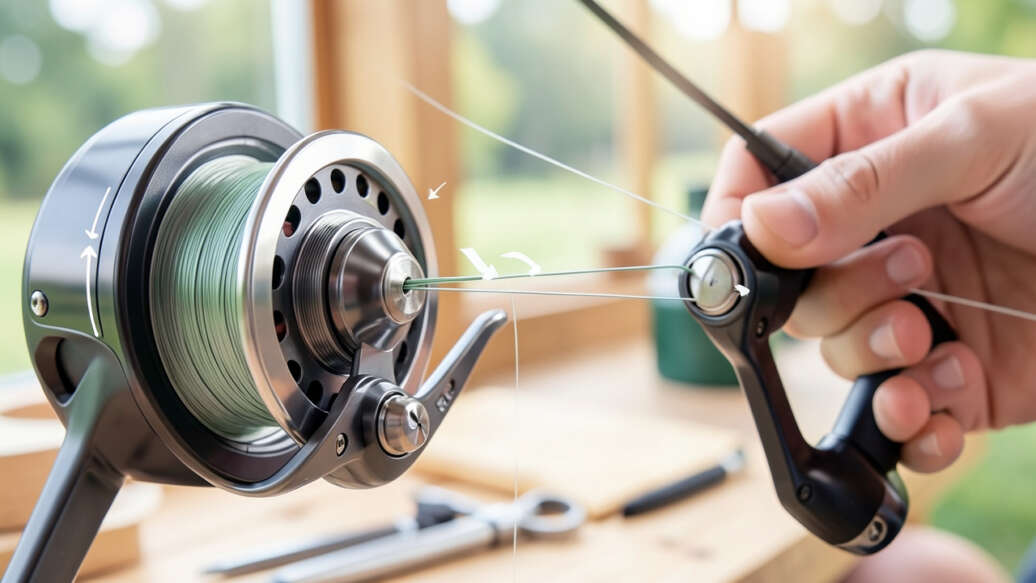
Spooling a spinning reel without line twist requires ensuring the line comes off the filler spool in the correct direction—matching the reel's bail rotation—and maintaining consistent tension. The most common mistake is ignoring the line direction, which causes twists that reduce casting distance and weaken the line. Proper spooling eliminates memory coils and prevents wind knots, saving time on the water and improving overall fishing performance. By following a methodical process of securing the line, applying tension, and spooling evenly, anglers can achieve a twist-free setup every time.
Getting your fishing line onto your spinning reel the right way makes a huge difference. If you don’t spool it correctly, you’ll end up with annoying line twists that can ruin your fishing trip. This can make casting harder and even cause your line to break.
Learning How to Spool a Spinning Reel Without Line Twist Step-by-Step means you’ll spend more time catching fish and less time fighting with your gear. We’ll show you exactly what to do so your reel performs its best, cast after cast.
Key Takeaways
- Proper line spooling prevents frustrating line twists.
- A correctly spooled reel leads to better casting distance and accuracy.
- Understanding the correct direction of line coming off the spool is vital.
- Using the right tools and techniques makes the process easy.
- Learning How to Spool a Spinning Reel Without Line Twist Step-by-Step saves you time and improves your fishing experience.
Why Spooling Your Reel Correctly Matters
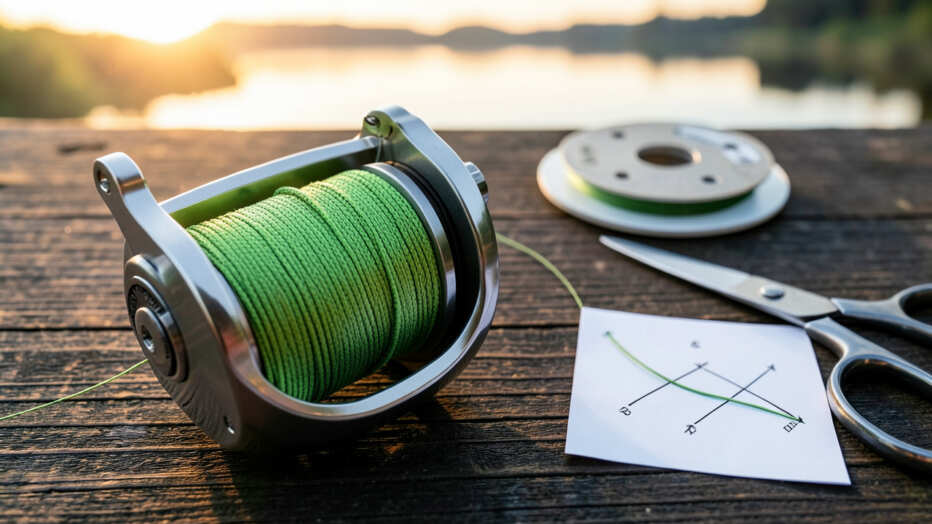
When you’re out on the water, the last thing you want is a tangled mess of fishing line. Line twist is a common problem that happens when the line comes off the spool in the wrong direction. This twist builds up over time, making your line look like a spring.
Inspecting your line for twist before each trip is a simple habit that helps you catch weak spots early and avoid lost fish.
It can cause weak spots in the line, leading to lost fish. Getting How to Spool a Spinning Reel Without Line Twist Step-by-Step is not just about neatness; it’s about performance. A well-spooled reel casts smoothly and accurately.
It also helps your line last longer, saving you money.
Gathering Your Spooling Supplies
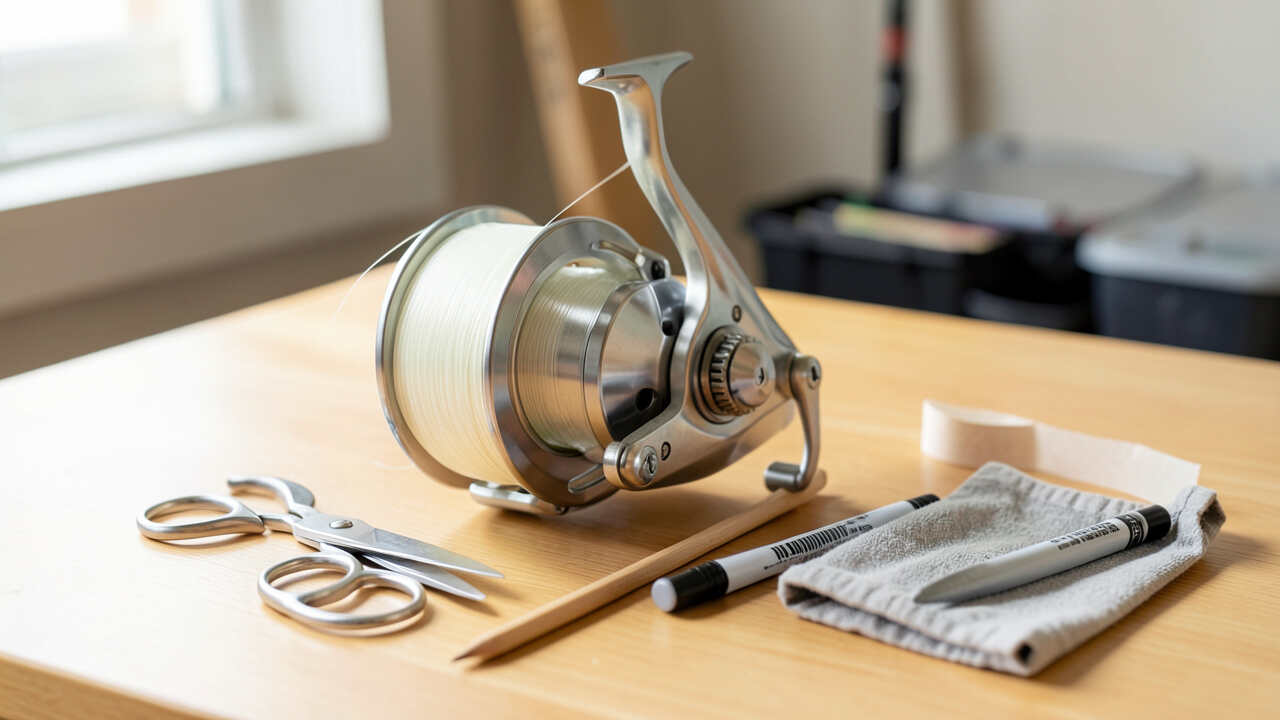
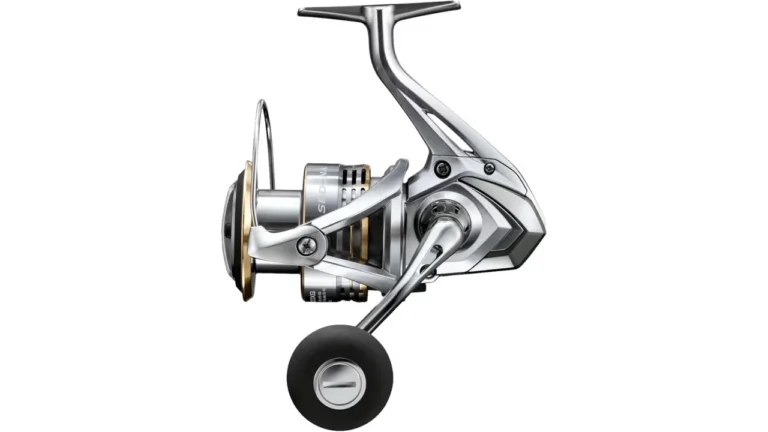
Before you start, make sure you have everything you need. Having the right tools makes the job much simpler. You’ll need your spinning reel and the new spool of fishing line.
Using a rod holder or having a friend secure the rod maintains consistent tension, a critical factor for preventing line twist during spooling.
It’s also helpful to have a rod to put the reel on. Some anglers use a simple rod holder or even have a friend hold the rod for them. You might also want a soft cloth to wipe down the reel.
Having a pair of sharp scissors or a line cutter is essential for trimming excess line.
Understanding Your New Line Spool
Fishing line comes in two main types of spools: the “hat” spool and the “pencil” spool. The hat spool is the most common for monofilament and fluorocarbon lines. It looks like a small hat with the line wrapped around the brim.
Matching the line’s exit direction from the spool to the reel’s rotation is the foundation of a twist-free spooling process.
Pencil spools are often used for braided lines and are more cylindrical. Knowing which type you have helps you figure out the best way to feed the line onto your reel. The goal is always to have the line come off the spool in a way that matches the direction it will feed onto your reel’s spool.
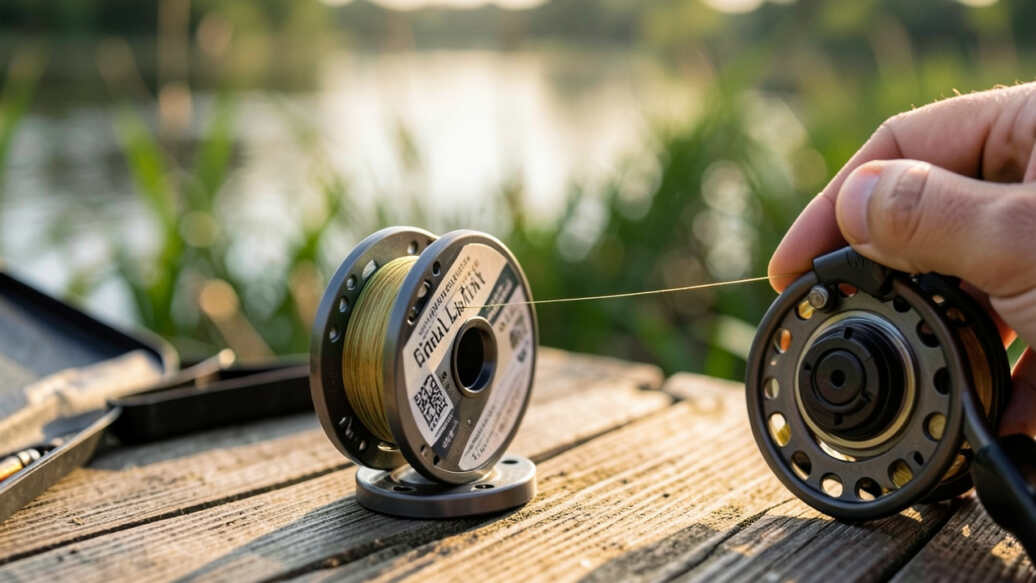
The Crucial Step: Line Direction Off the Spool
This is the most important part of How to Spool a Spinning Reel Without Line Twist Step-by-Step. Spinning reels are designed to pick up line in a specific direction. When you cast, the line spins off the spool.
To confirm correct line direction, hold the spool vertically and ensure the line comes off the top as you reel in.
When you reel in, the bail arm rotates and winds the line back. To avoid twist, the line must come off the new spool in the same direction that the reel’s line roller rotates when you are reeling in. For most spinning reels, this means the line should come off the top of the spool if you are holding the spool vertically, or off the side if you are holding it horizontally.
Step-by-Step Guide: Spooling Without Twist
Let’s walk through the process together. It’s easier than you might think. Follow these steps carefully for the best results.
Never reel in line that comes off the bottom of the spool; this immediately introduces twist that worsens with each cast.
This guide will help you master How to Spool a Spinning Reel Without Line Twist Step-by-Step.
- First, mount your spinning reel onto a fishing rod. This gives you a stable platform to work with.
- Next, secure the rod so it doesn’t move. You can use a rod holder, or have a friend hold it steady.
- Then, place the new spool of line on a pencil or a dowel rod. This will allow it to rotate freely. Some people prefer to let the spool sit on the floor or a table, but using a pencil helps it spin more easily.
- Now, thread the end of the fishing line through the first guide on your fishing rod, and then through the line roller on the bail arm of your spinning reel.
- Hold the line taut between the new spool and the reel. You can do this by pinching the line gently with your thumb and forefinger.
- Begin to slowly turn the reel handle. Pay close attention to how the line comes off the new spool. For most spinning reels, you want the line to come off the top of the spool when the spool is held vertically, or off the side that matches the reel’s rotation when you reel in.
- If the line is twisting as it goes onto the reel, stop. You need to flip the new spool of line over. This will change the direction the line comes off.
- Continue reeling slowly, checking the line as it winds onto your reel’s spool. You should see it winding on smoothly without any visible kinks or twists forming.
- Fill the spool about 1/8 inch from the top edge. Overfilling can cause casting problems, while underfilling reduces your line capacity.
- Finally, tie off the end of the line securely to the spool arbor. Trim any excess line close to the knot.
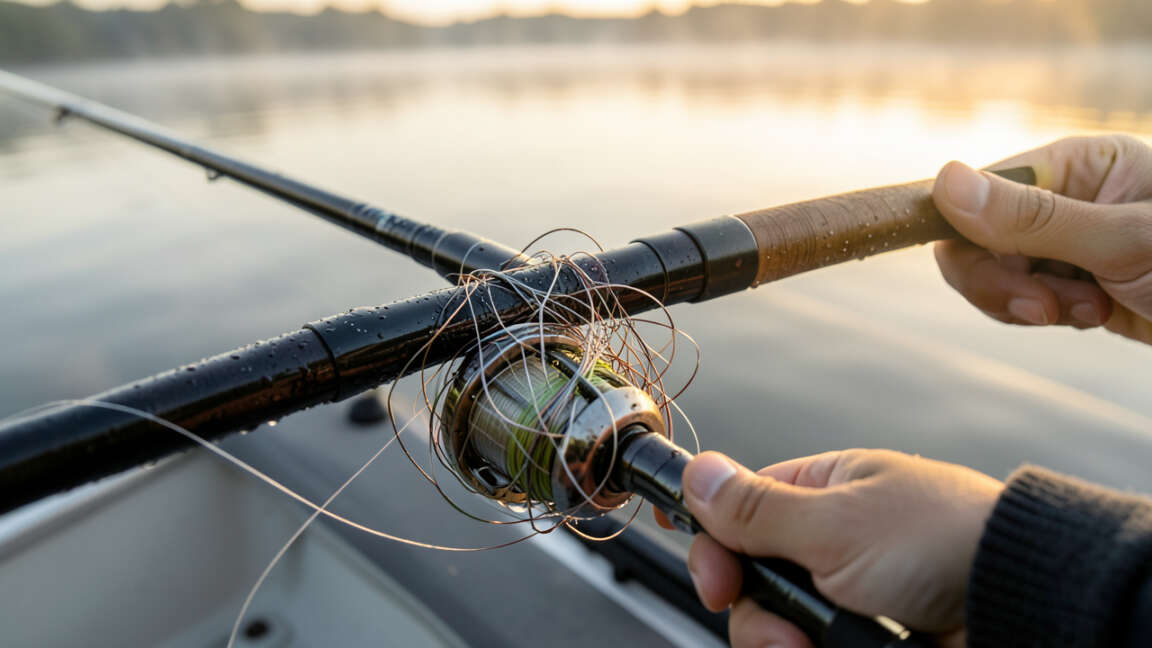
Common Mistakes to Avoid
Even with the best intentions, a few common errors can lead to line twist. Being aware of these will help you achieve perfect results. Avoiding these pitfalls is key to mastering How to Spool a Spinning Reel Without Line Twist Step-by-Step.
One of the most frequent errors is failing to keep the line taut while spooling, as loose line tangles easily and retains twist.
- Reeling with the new spool spinning the wrong way: This is the most frequent mistake. Always check which way the line is coming off the spool relative to how the reel picks it up.
- Not holding the line taut: If the line is too loose, it can tangle and twist easily. Keep it snug between the spool and the reel.
- Overfilling or underfilling the spool: Too much line can cause backlashes and tangles. Too little means you have less line than you need for long casts or fighting fish.
- Using old or damaged line: Old line can be brittle and prone to twisting. Always use fresh line for best performance.
- Ignoring the line direction from the spool: This is the fundamental error that leads to twist. Always ensure the line is coming off the spool in the same direction the reel’s line roller spins.
Choosing the Right Line for Your Reel
The type of fishing line you choose also plays a role in how easily it spools and how prone it is to twisting. Each type has its own characteristics.
Line choice directly affects twist resistance: monofilament and fluorocarbon retain memory, while braid spools tightly but needs careful tension.
When you are learning How to Spool a Spinning Reel Without Line Twist Step-by-Step, braided line can sometimes be more forgiving because it shows twists clearly. However, monofilament and fluorocarbon are very popular for their ease of use.
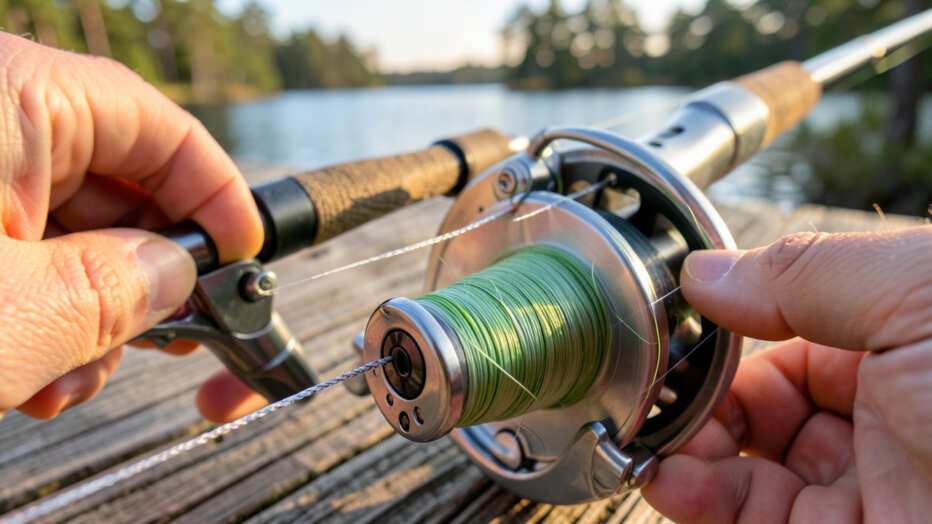
Tips for Different Line Types
Each line type needs a slightly different approach, especially when you are first learning How to Spool a Spinning Reel Without Line Twist Step-by-Step.
Monofilament and Fluorocarbon
These lines are quite similar in how they spool. The main thing to watch for is line memory. This is when the line retains the shape of the spool it came on, creating coils.
To minimize this, try to keep the line taut as you reel it onto your reel. Some anglers will even let the line run through a bucket of warm water as they spool it. This helps soften the line and reduce memory.
When spooling braided line, apply extra tension to prevent the thin material from digging into the layers on your reel.
Braided Line
Braided line is different because it has no stretch. This means any twist you introduce will stay. It’s also thinner, so it can dig into the spool if you’re not careful.
When spooling braid, it’s essential to get it on tight. Some anglers use a piece of tape to secure the tag end of the braid to the arbor of the reel before they start. This prevents the line from slipping.
Ensure the line is coming off the spool correctly to avoid any initial twists.
Troubleshooting Line Twist
Even after following the steps, you might still encounter some twist. Don’t worry, it happens. Here’s how to fix it.
- Letting the line out: If you notice a little twist, cast your line out without a lure attached. Let the line trail behind your boat or walk along the shore. This can help unwind some of the twist.
- Using a line untwister tool: These are small devices that clip onto your line and help untwist it as you reel.
- Re-spooling: Sometimes, the best solution is to simply re-spool the line. This gives you another chance to get it right.
How Often Should You Re-spool?
It’s a good idea to re-spool your fishing reels periodically. How often depends on how much you fish and the type of line you use. For monofilament and fluorocarbon, many anglers re-spool at least once a year, or when they notice significant line damage or memory.
Braided line lasts longer, but you might still want to
Frequently Asked Questions
What is the biggest mistake people make when learning How to Spool a Spinning Reel Without Line Twist Step-by-Step?
The most common mistake is not paying attention to the direction the line comes off the new spool relative to how the reel picks it up. It needs to match.
Can I spool my spinning reel directly from a large bulk spool?
Yes, but it’s often easier and helps prevent twist if you use a pencil or dowel to let the bulk spool rotate freely. This allows you to control the line feed better.
Why does my line get twisted even after I think I spooled it correctly?
This can happen if you’re using lures that spin excessively, such as inline spinners, or if you’re not holding the line taut enough during the spooling process. Also, check that the line is coming off the spool correctly.
How much line should I put on my spinning reel?
You should fill the spool so the line is about 1/8 inch from the top lip. This gives you enough line for casting but prevents it from spilling off too easily.
Does the brand of fishing line matter for spooling?
While all lines can be spooled correctly, some brands or types might have more line memory than others, making them slightly trickier for beginners learning How to Spool a Spinning Reel Without Line Twist Step-by-Step.
Final Thoughts
Mastering How to Spool a Spinning Reel Without Line Twist Step-by-Step is a simple skill that greatly improves your fishing. By paying attention to the line direction and following these steps, you’ll enjoy smoother casts and fewer tangles. This makes every fishing trip more enjoyable and productive.

5 Comments