
Saltwater Vs Freshwater Reels: Corrosion Resistance Difference
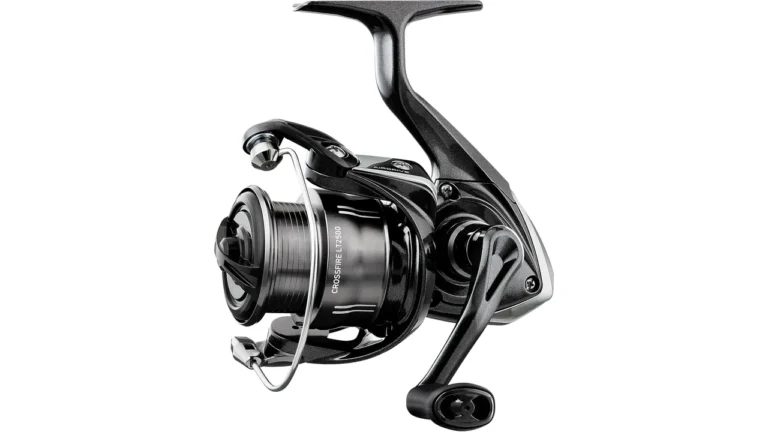
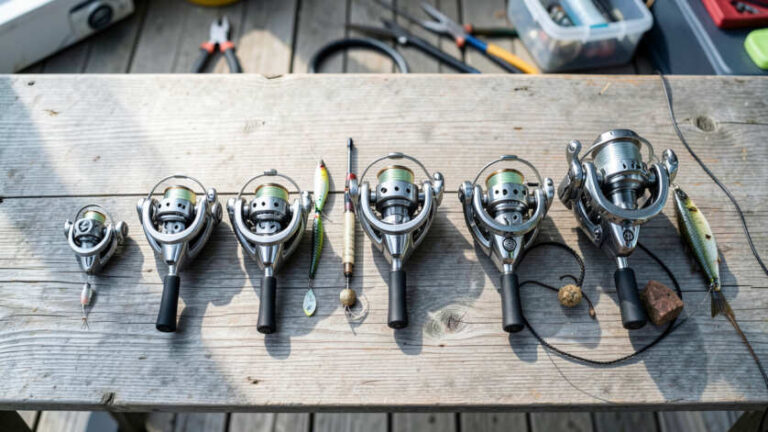
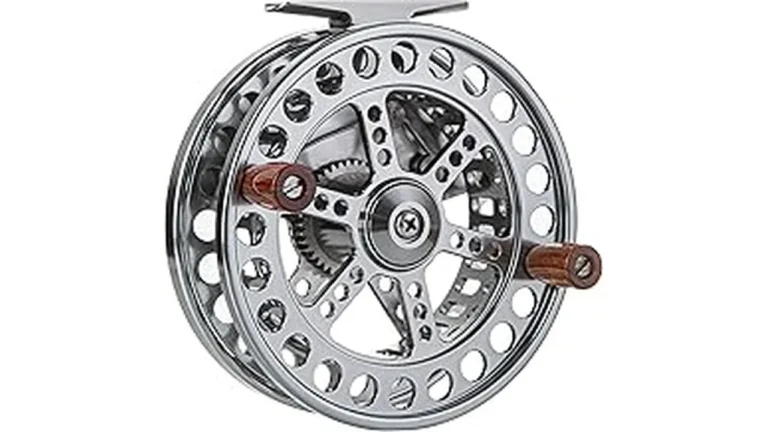
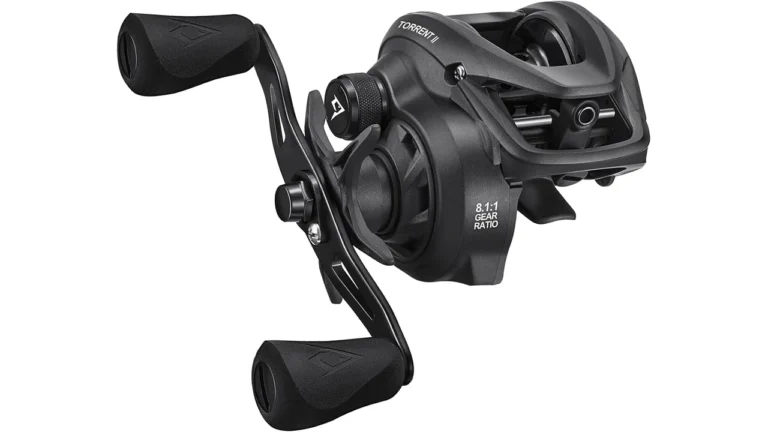
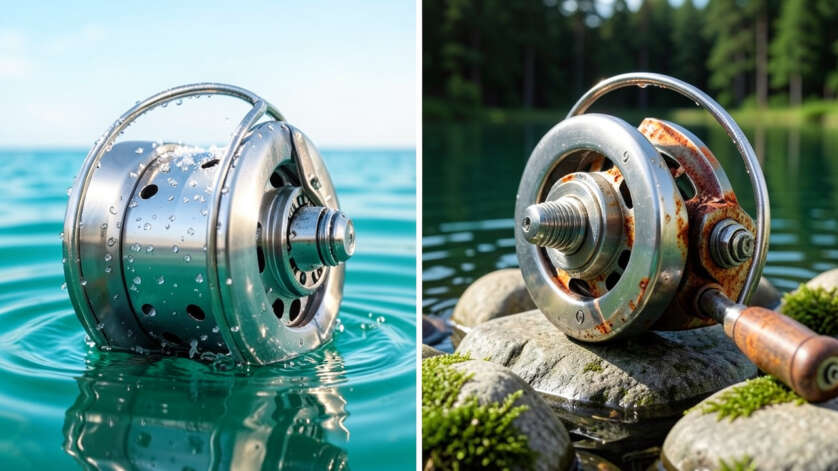
The primary corrosion resistance difference between saltwater and freshwater reels is that saltwater reels are built with corrosion-resistant alloys, sealed bearings, and protective coatings to combat the harsh effects of saltwater. Freshwater reels rely on lighter materials and lack these defenses, making them susceptible to rust and corrosion when exposed to salt. This distinction determines reel longevity and fishing performance, with saltwater reels offering reliable operation in ocean conditions. Proper post-trip rinsing remains essential even for saltwater-rated reels to maximize their lifespan.
Choosing the right fishing reel makes a big difference in how much fun you have and how long your gear lasts. When you’re fishing in the ocean, the salty water can really do a number on your equipment. Understanding the Saltwater vs Freshwater Reels: Corrosion Resistance Difference is key to making sure your reels keep working smoothly, cast after cast, trip after trip.
This knowledge helps you avoid costly damage and ensures you don’t miss out on catching that big one because your reel failed. We’ll break down what makes reels tough enough for the sea and what you gain by picking the right one for your adventures.
Key Takeaways
- Saltwater reels use special materials and coatings to fight rust and damage from salt.
- Freshwater reels are built for lighter conditions and may not hold up well in the ocean.
- Choosing the correct reel type protects your investment and ensures better fishing performance.
- Understanding the Saltwater vs Freshwater Reels: Corrosion Resistance Difference helps you pick the best reel for your fishing environment.
- Proper maintenance is crucial for both types of reels, especially when used in saltwater.
- The cost and features of saltwater reels often reflect their enhanced durability.
Why Saltwater Reels Need Extra Protection
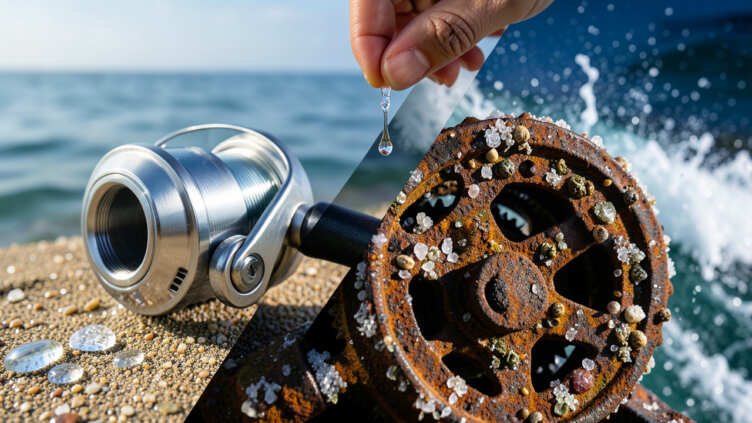
Saltwater is a harsh environment for metal. It’s not just water; it’s a mix of water and dissolved salts. These salts act like tiny little batteries, speeding up a process called corrosion, which is basically rust.
Always rinse your reel with fresh water after every saltwater trip to remove salt residue that accelerates corrosion.
When this happens to your fishing reel, parts can seize up, become stiff, or even break down completely. This can ruin your fishing trip in a hurry.
The primary concern is the Saltwater vs Freshwater Reels: Corrosion Resistance Difference. Freshwater, while it can still cause some wear over time, doesn’t have the same aggressive corrosive properties as saltwater. Think of it like this: freshwater is like a gentle rain, while saltwater is like a strong acid bath for metal parts.
Materials Matter: How Reels Fight Salt
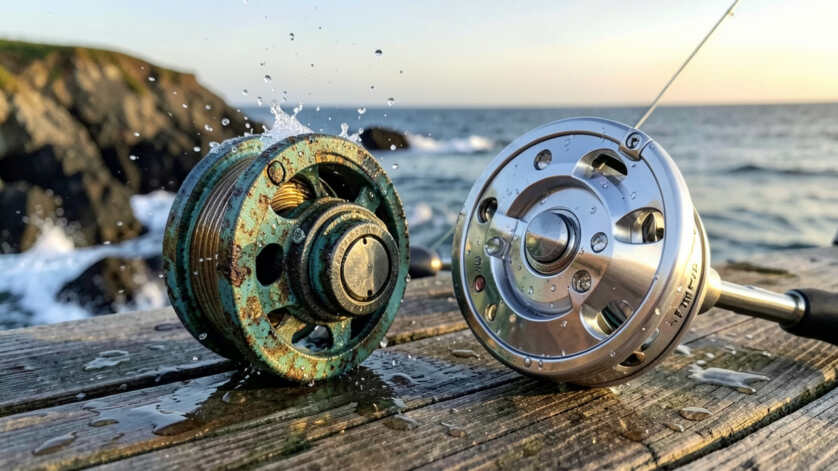
Reel manufacturers know that saltwater fishing demands tougher gear. They use a variety of strategies to make their saltwater reels more resistant to corrosion. This often starts with the materials themselves.
Many high-end saltwater reels use corrosion-resistant metals like anodized aluminum or stainless steel for key components. These metals are less likely to react with salt and break down.
Beyond the base metal, special coatings play a huge role. Many saltwater reels feature protective layers, such as specialized paints, epoxy coatings, or even ceramic treatments. These coatings act as a barrier between the metal and the corrosive elements in saltwater.
The goal is to create a shield that salt and moisture can’t easily penetrate.
Body and Frame Construction
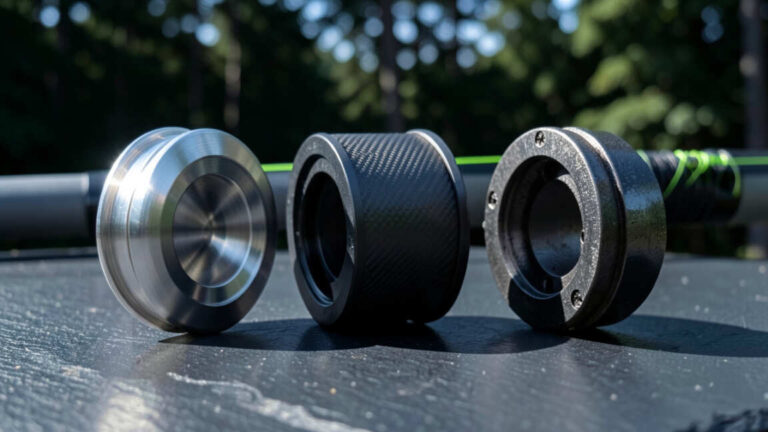
The main body of a reel, often called the housing or frame, takes a lot of abuse. For saltwater use, these parts are frequently made from forged or machined aluminum that is then anodized. Anodizing is a process that creates a hard, protective oxide layer on the aluminum’s surface.
Manufacturers choose anodized aluminum and stainless steel for their ability to resist salt corrosion, making them essential for saltwater durability.
This layer is very durable and resists scratching and corrosion.
Some reels might use high-strength composite materials or advanced plastics that are naturally resistant to saltwater. While metal often offers more strength, these materials can be lighter and also offer excellent corrosion resistance. The Saltwater vs Freshwater Reels: Corrosion Resistance Difference is very apparent in the choice of materials for the reel’s main structure.
Internal Components and Bearings
It’s not just the outside that needs protection. The internal moving parts are just as vulnerable. Saltwater can seep into the reel and attack gears, bearings, and other small components.
To combat this, saltwater reels often use sealed bearings. These bearings have rubber or metal shields that keep salt and water out while keeping the lubricant in.
The gears themselves might be made from hardened stainless steel or special alloys designed to withstand the corrosive environment. Even the drag system, which uses friction to control line tension, needs to be protected. Saltwater can make drag washers swell or corrode, leading to inconsistent performance.
Saltwater reels often have sealed drag systems or use materials that are less affected by moisture.
Freshwater Reels: What You Need to Know
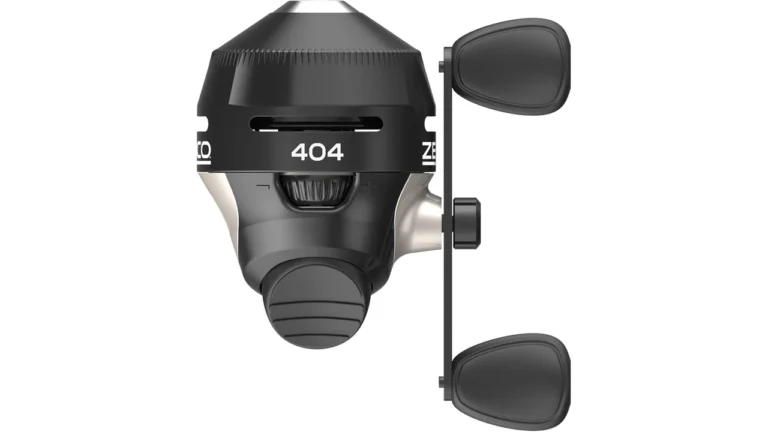
Freshwater reels are designed with a different set of challenges in mind. While they still need to be durable, the primary threat isn’t constant salt exposure. Freshwater reels might use lighter metals, fewer protective coatings, or less robust sealing on their components.
This is because the environment is generally less aggressive.
Using a freshwater reel in saltwater is a recipe for disaster. Even a single trip can introduce salt into the reel’s delicate mechanisms. Without the proper corrosion resistance, these parts will start to degrade quickly.
Freshwater reels are designed with lighter materials and fewer protective coatings, reflecting the less corrosive environment they are intended for.
The initial cost of a freshwater reel is often lower, reflecting its simpler construction and less demanding material requirements.
The Risk of Using Freshwater Reels in Saltwater
Many anglers, especially beginners, might wonder if they can get away with using their freshwater gear for a quick trip to the coast. The answer is a resounding no, if you want your reel to last. The Saltwater vs Freshwater Reels: Corrosion Resistance Difference is stark, and the consequences of ignoring it can be severe.
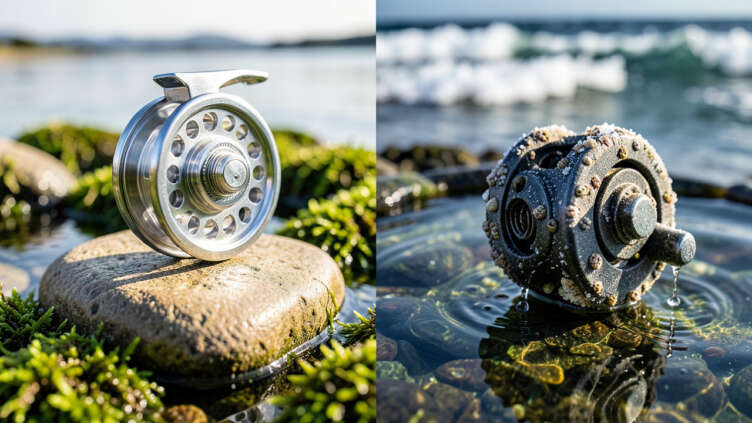
Saltwater intrusion can cause immediate problems. Bearings can seize, making the reel stiff and hard to turn. Gears can start to grind or strip.
The drag system can become unpredictable, either slipping too much or locking up. Even the exterior finish can start to pit and peel, making the reel look old and worn out much faster.
Comparing Saltwater and Freshwater Reels: A Table View
To truly grasp the Saltwater vs Freshwater Reels: Corrosion Resistance Difference, it’s helpful to see it laid out side-by-side. This comparison highlights the key areas where these reels differ in their design and materials.
When comparing reels, focus on the body material, bearing type, and sealing – these are the primary differences that determine corrosion resistance.
The Importance of Maintenance for Saltwater Reels
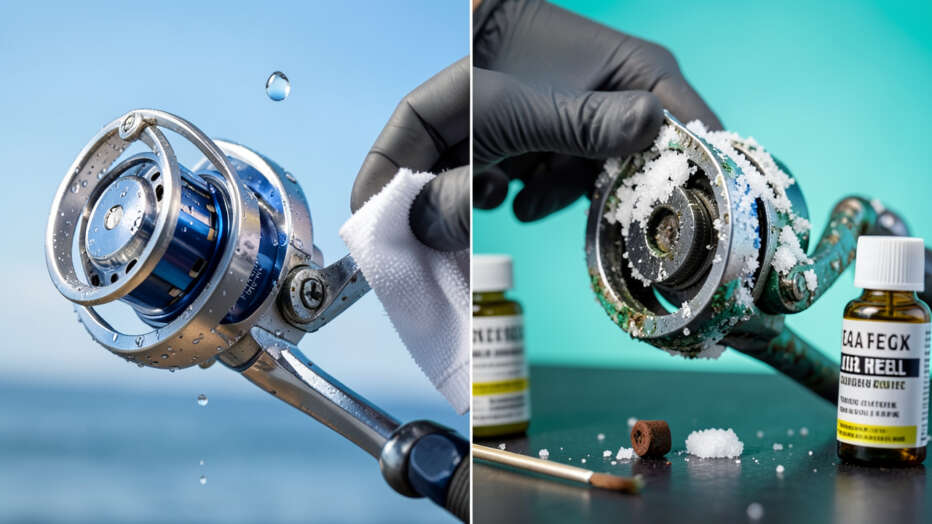
Even the best saltwater reel won’t last forever if you don’t take care of it. The Saltwater vs Freshwater Reels: Corrosion Resistance Difference means saltwater reels are built tougher, but they still need attention. The most critical step after any fishing trip in saltwater is to rinse your reel thoroughly with fresh, clean water.
This washes away any salt residue before it has a chance to do damage.
After rinsing, it’s a good idea to dry the reel with a soft cloth. Periodically, you’ll need to lubricate the reel according to the manufacturer’s instructions. This involves applying specialized reel grease and oil to the appropriate moving parts.
Proper maintenance not only prevents corrosion but also keeps your reel performing smoothly.
Rinsing Techniques
When rinsing your saltwater reel, avoid using high-pressure water. A gentle stream from a hose or even a bucket of fresh water is usually sufficient. Make sure to get into all the nooks and crannies where salt spray might have settled.
Failing to rinse your reel with fresh water after saltwater use can lead to rapid corrosion and component failure, even on high-quality reels.
Some anglers even remove the spool and rinse it separately. This ensures a thorough cleaning.
It’s important to note that rinsing is not a substitute for proper lubrication. Saltwater can strip away lubricants, so reapplying them is essential for long-term reel health. The difference in maintenance effort highlights the Saltwater vs Freshwater Reels: Corrosion Resistance Difference; saltwater gear demands more attention.
Lubrication and Servicing
Reel lubricants are designed to protect against wear and corrosion. They also help ensure smooth operation. Use the type of lubricant recommended by the reel’s manufacturer.
Some parts might need a heavier grease, while others require a lighter oil. Over-lubricating can attract dirt, so use it sparingly.
For deeper cleaning or if you notice any stiffness or grinding, consider a full reel service. This might involve disassembling the reel, cleaning all parts, and reassembling with fresh grease and oil. If you’re not comfortable doing this yourself, a professional reel repair shop can handle it.
This level of care is often more critical for saltwater reels.
When to Choose a Saltwater Reel
The decision is straightforward: if you plan to fish in any body of water that contains salt, you need a saltwater reel. This includes oceans, bays, estuaries, and even some brackish rivers where the tide can push saltwater in. The investment in a quality saltwater reel will pay off in its longevity and reliable performance.
Investing in a saltwater reel is a long-term cost saver because its corrosion-resistant build prevents the frequent replacements needed with lower-tier reels.
Don’t let the initial cost deter you. A saltwater reel is built to withstand conditions that would quickly destroy a freshwater reel. The superior materials and construction mean it will last much longer, potentially saving you money in the long run by not having to replace it as often.
The Saltwater vs Freshwater Reels: Corrosion Resistance Difference is the primary reason for this.
When is a Freshwater Reel Sufficient?
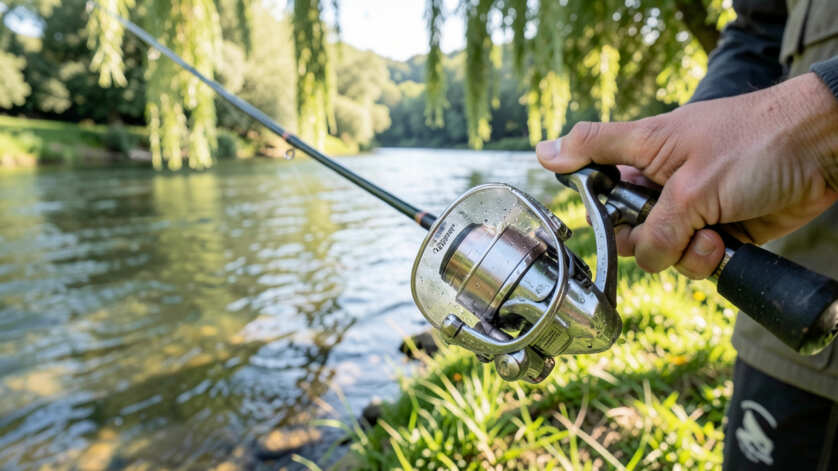
If your fishing adventures are confined to lakes, rivers, streams, and ponds that are entirely freshwater, then a freshwater reel is perfectly suitable. These reels are designed for those environments and offer excellent performance for their intended use. They are typically lighter, more affordable, and easier to maintain in their specific conditions.
If there is any possibility of encountering saltwater, a freshwater reel is not worth the risk – the corrosion damage is often irreversible.
However, it’s crucial to be honest about where you fish. If there’s even a slight chance you’ll encounter saltwater, it’s always better to err on the side of caution and opt for a reel designed for that environment. The Saltwater vs Freshwater Reels: Corrosion Resistance Difference is too significant to ignore for casual saltwater use.
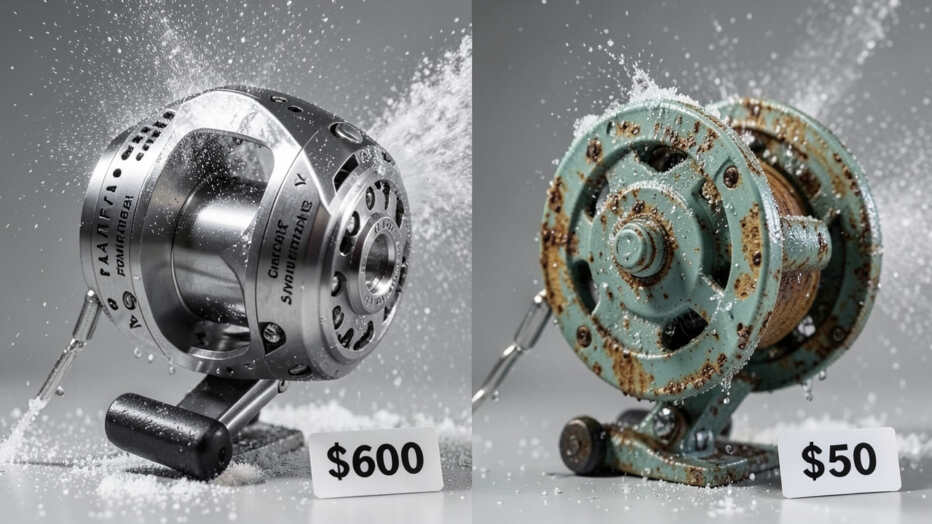
The Cost Factor: What You Pay For Durability
It’s no secret that saltwater reels generally cost more than their freshwater counterparts. This price difference is directly related to the advanced materials, specialized coatings, and tighter manufacturing tolerances required to make them corrosion-resistant. The use of stainless steel, anodized aluminum, and sealed components adds to the production cost.
Think of the higher cost as an investment in reliability and longevity. A good saltwater reel can last for many years with proper care, providing consistent performance trip after trip. The Saltwater vs Freshwater Reels: Corrosion Resistance Difference translates directly into the price tag, reflecting the enhanced engineering and materials.
Choosing a cheap, non-corrosion-resistant reel for saltwater will likely result in failure and cost more in replacements than a quality saltwater reel.
Budgeting for Your Reel
When budgeting for a new fishing setup, always consider the environment you’ll be fishing in most often. If saltwater is your primary destination, allocate more of your budget to a robust saltwater reel. Trying to save money by buying a freshwater reel for saltwater use will likely lead to premature failure and the need to buy a replacement sooner rather than later.
Many reputable brands offer a range of saltwater reels at different price points. You can find excellent options that balance performance, durability, and cost. Doing some research and reading reviews can help you find a reel that fits your budget and your needs.
Remember, the Saltwater vs Freshwater Reels: Corrosion Resistance Difference is the most critical factor for saltwater anglers.
Frequently Asked Questions
What is the main difference between saltwater and freshwater reels regarding corrosion?
The main difference is that saltwater reels are built with special materials and coatings to resist the highly corrosive nature of salt, while freshwater reels are not.
Can I use my freshwater fishing reel in the ocean?
It is strongly advised not to use your freshwater fishing reel in the ocean. Saltwater will quickly cause corrosion and damage to its components, leading to poor performance and potential failure.
What materials are commonly used in saltwater reels to prevent corrosion?
Saltwater reels often use anodized aluminum, stainless steel, and specialized corrosion-resistant composites for their bodies and internal parts. They also feature sealed bearings and protective coatings.
How does the Saltwater vs Freshwater Reels: Corrosion Resistance Difference affect reel maintenance?
Saltwater reels require more diligent maintenance, including thorough rinsing with fresh water after each use and regular lubrication, to counteract the effects of salt exposure.
Are saltwater reels always more expensive than freshwater reels?
Yes, saltwater reels are typically more expensive due to the advanced materials, construction techniques, and protective coatings needed to ensure their durability in corrosive environments.
What happens if a freshwater reel gets exposed to saltwater and isn’t cleaned?
Exposure to saltwater without proper cleaning can lead to rust on metal parts, stiff or seized bearings, grinding gears, and a generally compromised reel that may fail during use.
Final Thoughts
Choosing between saltwater and freshwater reels comes down to where you fish. Saltwater reels offer the necessary protection against corrosion, ensuring your gear lasts and performs well. Understanding the Saltwater vs Freshwater Reels: Corrosion Resistance Difference helps you make the right choice for better fishing experiences.