
Reel Drag System Explained: Front, Rear, Lever Drag Compared
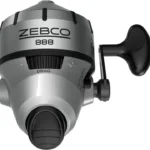
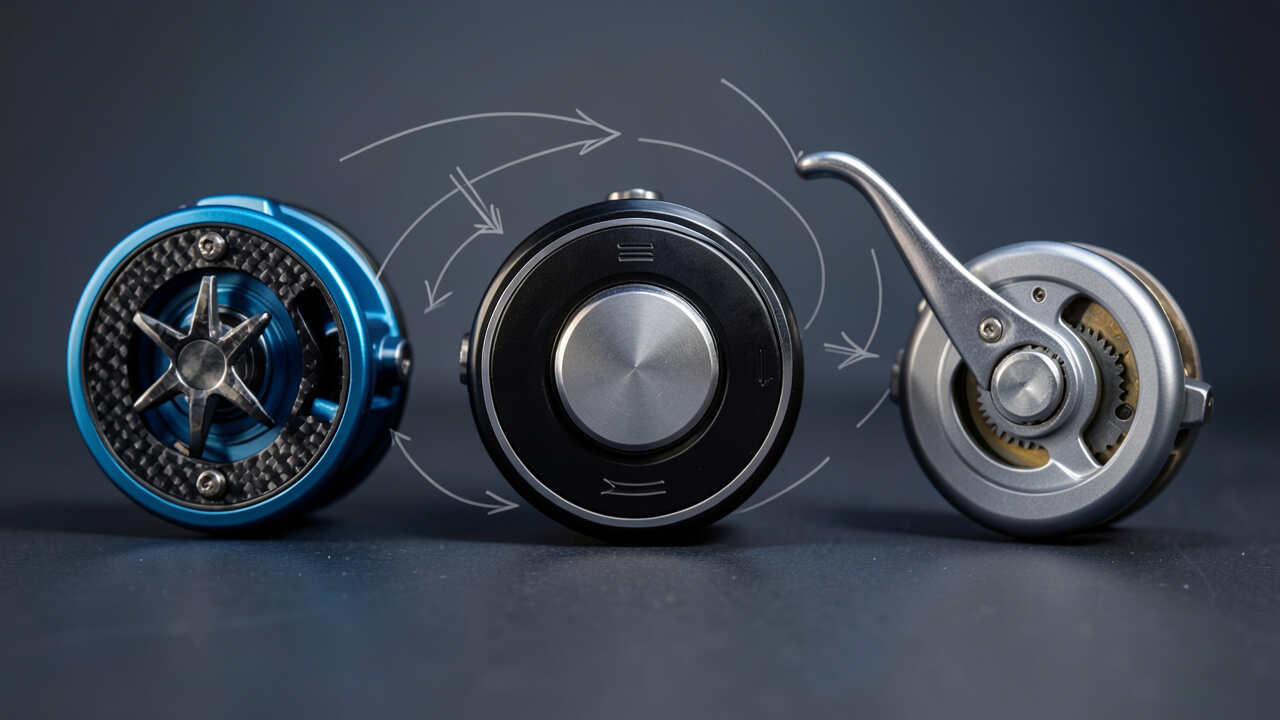
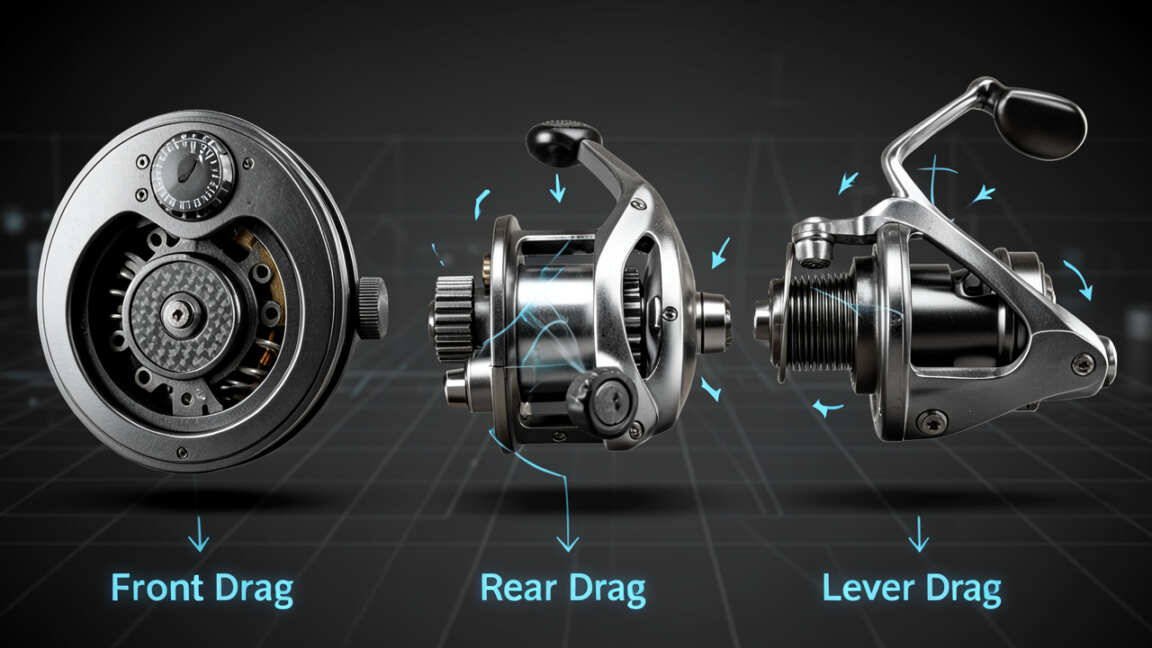
The three main types of reel drag systems—front, rear, and lever—each offer distinct advantages for precisely controlling line tension when fighting a fish. Front drag systems mount directly on the spool, delivering smooth, powerful pressure ideal for heavy line and larger fish. Rear drag systems sit at the back of the reel for quick on-the-fly adjustments, perfect for lighter tackle and frequent casting. Lever drag reels use a lever for precise, incremental control, preferred for trolling and battling large pelagics where consistent drag pressure is essential.
When you’re out fishing, the last thing you want is a fish to pull away with your line because your reel isn’t set up right. Understanding how your reel’s drag system works is super important for landing that big catch. It’s not just about having a strong reel; it’s about having the right control.
We’ll break down the different types, like front, rear, and lever drag systems, so you know exactly what’s happening and how to use it best. This guide will help you make better choices for your fishing trips.
Key Takeaways
- You’ll learn the basic function of a reel drag system and why it’s crucial for successful fishing.
- We will explain how front drag systems work and their common uses.
- You’ll understand the mechanics and benefits of rear drag systems.
- The differences and applications of lever drag reels will be detailed.
- You will gain insight into choosing the right drag system for your fishing needs.
- We’ll cover how to adjust and maintain your drag for optimal performance.

Why Your Reel’s Drag System Matters
Your reel’s drag system is a safety valve for your fishing line. When a fish pulls hard, the drag lets out line smoothly. This prevents your line from snapping.
Without a properly set drag, a strong fish can easily break your line and get away. It also helps tire out the fish, making it easier to reel in. Knowing about the different types of drag systems helps you pick the best one for the kind of fishing you do and the fish you’re trying to catch.
Always test your drag before fishing to ensure it's set correctly—a drag that's too tight can cause your line to snap when a fish makes a sudden run.
This is why a clear understanding of the Reel Drag System Explained: Front, Rear, Lever Drag Compared is so valuable. It directly impacts your success on the water. A well-understood drag system means fewer lost fish and more enjoyable fishing experiences.
We will explore each type so you can make informed decisions.
Understanding Front Drag Systems
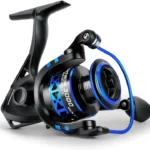
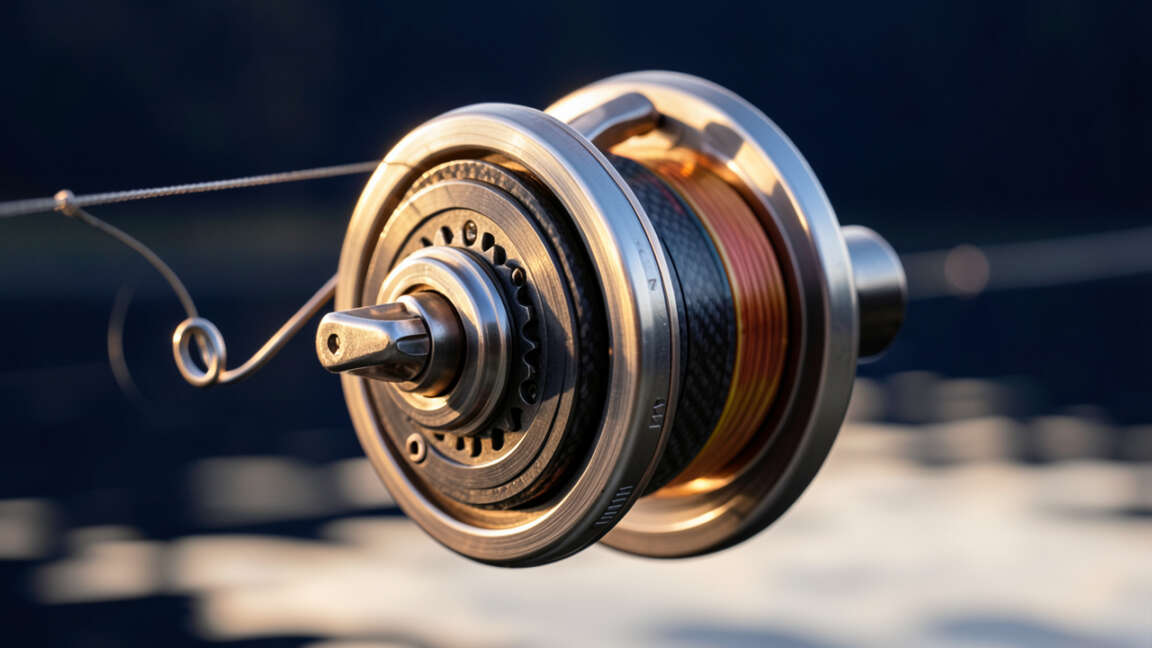
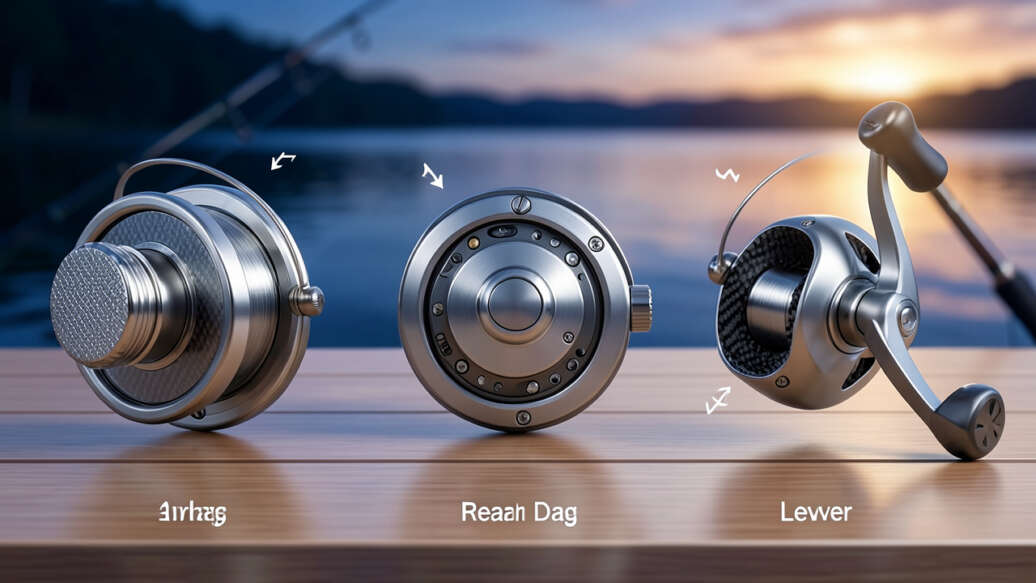
The front drag system is the most common type found on spinning reels. You’ll find a knob located on the front of the reel, usually just above the spool. Turning this knob adjusts the tension on the drag washers.
Tightening the knob increases the drag pressure, making it harder for the fish to pull line. Loosening it reduces the pressure, allowing more line to be released.
These systems are known for their simplicity and effectiveness. They offer a wide range of adjustment, allowing anglers to fine-tune the drag pressure. This makes them very versatile.
Front drag systems offer exceptional versatility, making them suitable for a wide range of fishing techniques from light freshwater to heavy saltwater applications.
You can use them for a variety of fishing techniques, from light freshwater fishing to targeting larger species in saltwater.
The main advantage of a front drag is its accessibility. You can easily reach the drag knob to make quick adjustments while fighting a fish. This is especially helpful when a fish makes a sudden run.
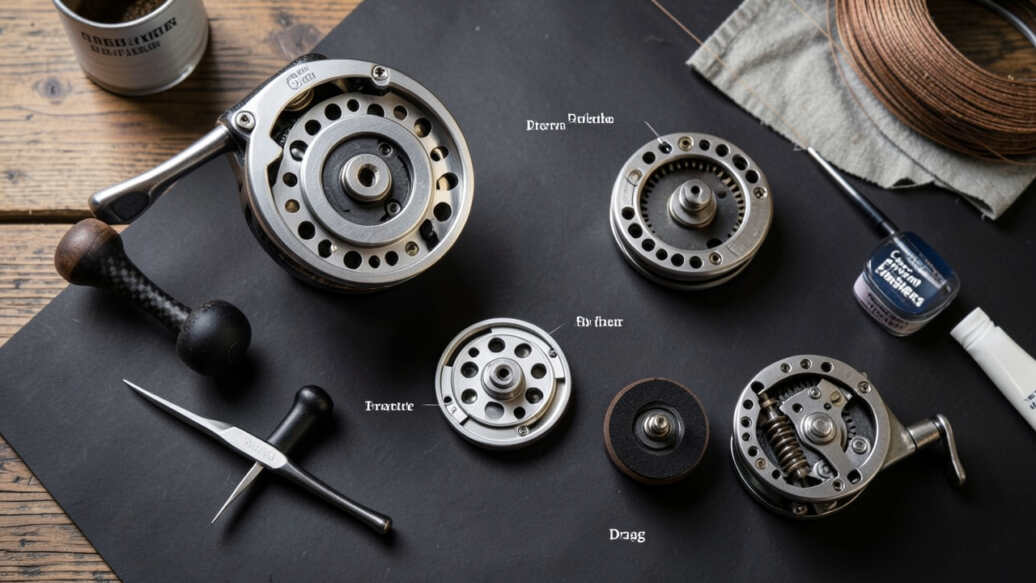
The drag washers are typically made of carbon fiber or felt. These materials are compressed to create friction. The amount of friction determines how much drag is applied.
Pros of Front Drag
- Easy Adjustment: The knob is right on the front, making it simple to change settings on the fly.
- Wide Range: Offers a broad spectrum of drag settings, from very light to quite strong.
- Common and Versatile: Found on most spinning reels, suitable for many types of fishing.
- Good for Light Lines: Excellent for using thinner, more delicate fishing lines that are prone to breaking.
Cons of Front Drag
- Potential for Uneven Wear: The drag washers are all stacked in one place, which can sometimes lead to uneven wear over time.
- Can Be Bulky: The drag mechanism can sometimes make the front of the reel a bit larger.
Exploring Rear Drag Systems
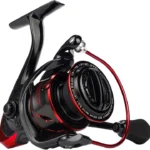
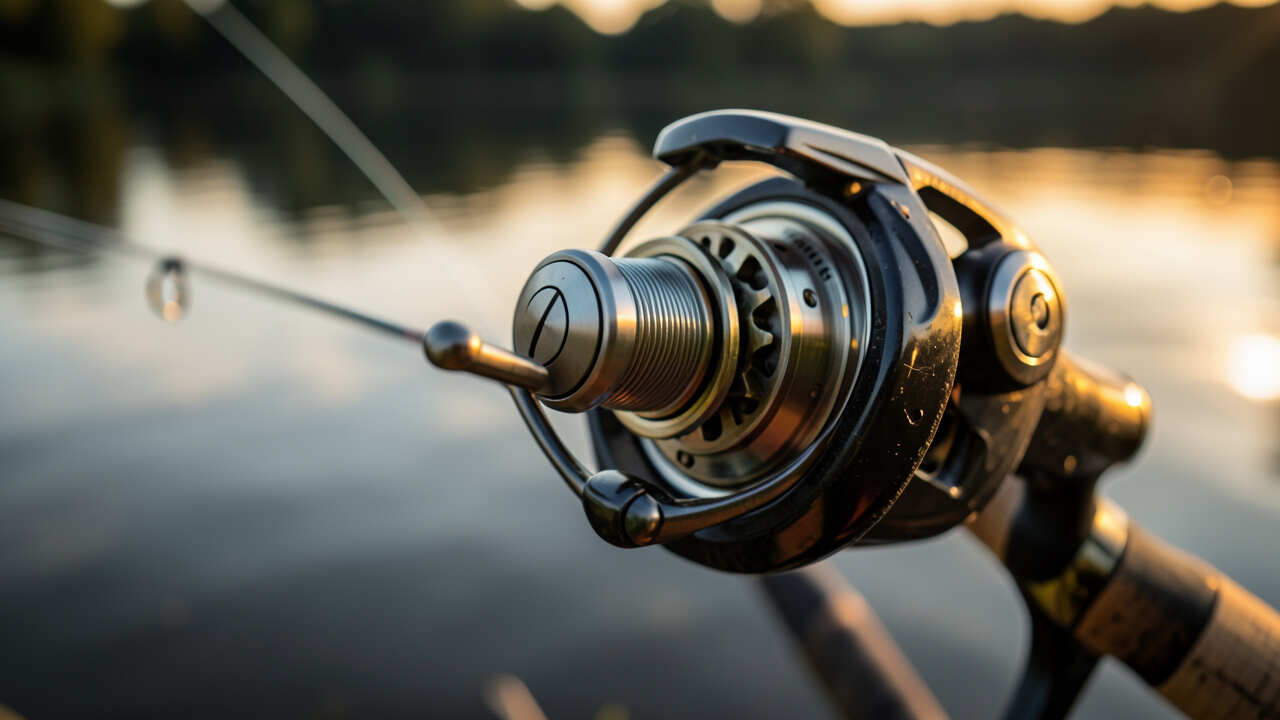
Rear drag systems are typically found on spinning reels, often positioned at the back of the reel, near the handle. Similar to front drag, a knob is used to adjust the tension. The mechanism works by applying pressure to the spool from the rear.
This design can sometimes offer a more compact reel body.
Larger drag washers in rear drag systems can lead to smoother operation and extended reel life, a key advantage for many anglers.
Rear drag systems are also quite popular, especially among anglers who prefer a cleaner look on the front of their reel. The adjustment is still straightforward, though some anglers find it slightly less intuitive to adjust quickly compared to a front drag. The drag washers are located at the back, and tightening the knob compresses them to increase drag.
One of the perceived benefits of a rear drag is that the drag washers are often larger and can be more evenly distributed, potentially leading to smoother operation and longer life. However, this can vary greatly depending on the reel’s quality and design. For many anglers, the choice between front and rear drag comes down to personal preference and the specific reel model.
Advantages of Rear Drag
- Compact Design: Can contribute to a sleeker, more streamlined reel body.
- Potentially Smoother Operation: Some designs offer very smooth and consistent drag.
- Good for Beginners: The simpler design can be less intimidating for new anglers.
Disadvantages of Rear Drag
- Less Accessible: Adjusting the drag while fighting a fish can be slightly more awkward than with a front drag.
- Limited Adjustment Range: Some rear drag systems might not offer as wide a range of settings as their front drag counterparts.
The Power of Lever Drag Reels
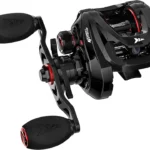
Lever drag reels are a different beast altogether, primarily found on conventional (or baitcasting) reels. Instead of a knob that you turn, these reels have a lever. This lever typically moves forward and backward to control the drag.
It’s a more direct and often more powerful system. Lever drag reels are built for heavy-duty fishing.
The lever usually has distinct settings: ‘Free Spool,’ ‘Strike,’ and ‘Full.’ ‘Free Spool’ disengages the drag completely, allowing the line to run out freely, which is useful for casting or letting a fish take the bait. ‘Strike’ provides a preset level of drag, ideal for fighting many fish. ‘Full’ engages the maximum drag the reel can provide.
Master the lever positions on your conventional reel: use 'Free Spool' for casting, 'Strike' for the initial hookset, and 'Full' to stop a powerful run.
These reels are favored by anglers targeting large, powerful game fish like tuna, marlin, and large sharks. The lever drag system allows for very precise and rapid changes in drag pressure. You can quickly move from ‘Strike’ to ‘Full’ or back to ‘Free Spool’ with a simple flick of the wrist.
This level of control is critical when dealing with aggressive, strong-fighting fish.
The drag mechanism in lever drag reels often uses multiple carbon fiber drag washers stacked together. This design allows for immense stopping power while maintaining smooth operation. The precision of the lever makes it easy to find the exact drag setting you need for any given situation.
Understanding the Reel Drag System Explained: Front, Rear, Lever Drag Compared is crucial for choosing the right tool for the job.
Benefits of Lever Drag
- Extreme Power: Capable of handling immense stopping power needed for large game fish.
- Precise Control: The lever offers very fine and quick adjustments between drag settings.
- Distinct Settings: Clear ‘Free Spool,’ ‘Strike,’ and ‘Full’ positions make operation intuitive for experienced anglers.
- Durability: Built for tough conditions and powerful fish.
Drawbacks of Lever Drag
- Complexity: Can be more complex to operate for beginners compared to simple knob adjustments.
- Cost: Generally more expensive than basic spinning reels with knob drag.
- Not for All Fishing: Primarily suited for heavy saltwater or large freshwater species, less ideal for light tackle finesse fishing.
Comparing the Drag Systems
Choosing the right drag system depends heavily on your fishing goals. If you’re a beginner or mostly fish for smaller to medium-sized freshwater species, a spinning reel with either a front or rear drag will likely serve you well. The ease of use and versatility are big advantages.
Failure to quickly adjust your drag during a sudden run from a large fish can result in a lost trophy—practice switching settings smoothly.
For anglers who primarily fish in freshwater for species like bass, trout, or walleye, the choice between front and rear drag often comes down to personal preference. Both can perform admirably. Many prefer the accessibility of the front drag for quick adjustments.
If you’re venturing into offshore fishing, targeting powerful saltwater game fish, then a lever drag reel becomes almost essential. The brute strength and precise control offered by lever drags are unmatched for these types of battles. The ability to instantly change drag settings is a lifesaver when a marlin decides to make a sudden dive.
Here’s a quick look at how they stack up:
How to Adjust and Maintain Your Drag
Properly adjusting your drag is crucial. A good rule of thumb for spinning reels is to set your drag to about one-third to one-half of your line’s breaking strength. For example, if you’re using 10-pound test line, set your drag to somewhere between 3 and 5 pounds of pressure.
To test your drag, attach your line to a fixed object (like a doorknob or a heavy post) and pull the rod away. You should feel the drag start to slip line when you apply steady pressure. You can use a simple fish scale to get a more accurate reading.
Many anglers will slightly loosen their drag after a fight to relieve pressure on the washers.
Using a simple fish scale to measure your drag pressure ensures precise settings based on your line's breaking strength, especially after a fight.
Maintenance is also key to a long-lasting drag system. After fishing, especially in saltwater, rinse your reel with fresh water. This removes salt and debris that can damage the drag washers.
Periodically, you might need to lubricate your drag washers. Check your reel’s manual for specific instructions. For lever drag reels, ensure the lever moves freely and that the ‘Free Spool,’ ‘Strike,’ and ‘Full’ positions are distinct and functional.
Keeping your drag system in good working order ensures it will perform when you need it most. A poorly maintained drag can slip unexpectedly or lock up completely, leading to lost fish or broken lines. Understanding the Reel Drag System Explained: Front, Rear, Lever Drag Compared also means understanding how to care for it.
Choosing the Right Drag System for You
When you’re deciding which reel to buy, consider the type of fishing you do most often. If you’re a beginner or a casual angler, a spinning reel with a reliable front drag is usually a safe and excellent choice. They are user-friendly and perform well in most situations.
If you prioritize a cleaner aesthetic on your reel or have found a spinning reel with a rear drag that you love, go for it. The performance difference between front and rear drag can be minimal for many anglers, and personal preference plays a large role. Both offer good control for general fishing.
However, if you dream of battling giant tuna or powerful billfish, investing in a quality lever drag reel is a must. These reels are designed for the extreme demands of big game fishing. They offer the power and precision needed to subdue the ocean’s toughest fighters.
For most anglers, the choice between front and rear drag boils down to personal preference rather than a significant performance advantage.
The Reel Drag System Explained: Front, Rear, Lever Drag Compared shows that there isn’t a one-size-fits-all answer; it’s about matching the tool to the task.
Think about the fish you want to catch and the environments you’ll be fishing in. This will guide you to the best drag system. Don’t underestimate the importance of a smooth, reliable drag.
It’s one of the most critical components for a successful fishing trip. Your choice will directly impact your ability to control and land your catch.
Frequently Asked Questions
What is the primary purpose of a reel drag system?
The primary purpose of a reel drag system is to allow line to be released from the reel under tension, preventing the fishing line from breaking when a fish pulls hard.
Which drag system is easiest for beginners to use?
Spinning reels with front drag systems are generally considered the easiest for beginners due to the readily accessible adjustment knob and straightforward operation.
Are lever drag reels better for all types of fishing?
No, lever drag reels are best suited for heavy-duty fishing targeting large, powerful game fish. They are generally overkill and less practical for lighter freshwater fishing.
Can I adjust the drag while fighting a fish?
Yes, you can and should adjust the drag while fighting a fish. Quick adjustments are easier with front drag systems, while lever drag systems offer very rapid changes between settings.
How do I know if my drag is set correctly?
A good starting point is to set your drag to about one-third to one-half of your line’s breaking strength. You can test this with a fish scale or by feeling the line slip when a steady pull is applied.
What is the difference between front drag and rear drag on spinning reels?
The main difference is the location of the drag adjustment knob and the drag mechanism. Front drag is on the front of the spool, while rear drag is at the back of the reel, though both aim to control line release.
Final Thoughts
Understanding the differences between front, rear, and lever drag systems is key to controlling your catch. Each type offers unique benefits for different fishing styles and targets. Choose wisely based on the fish you pursue to ensure you have the right tool for the job and enjoy more successful days on the water.

4 Comments