
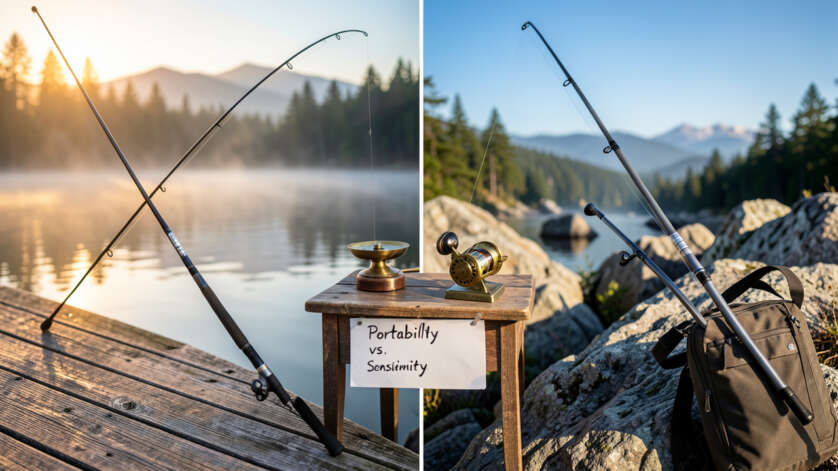
One-Piece Vs Two-Piece Rods: Pros And Cons Compared Today
A one-piece rod delivers superior sensitivity and strength due to its continuous blank construction, making it ideal for anglers who prioritize performance and feel. A two-piece rod offers significantly greater portability and convenience for transport and storage, suiting travel anglers and those with limited vehicle space. The one-piece design generally provides a more direct connection to the lure for casting and power transfer, while modern two-piece rods are robust enough for most fishing scenarios. The practical choice hinges on balancing the need for optimal rod action against the logistical demands of transport and storage.
Choosing the right fishing rod can make a big difference in how much fun you have on the water and how successful you are. You might be wondering about the best type for your needs, especially when looking at One-Piece vs Two-Piece Rods: Pros and Cons Compared Today. This choice really matters because it affects how easy the rod is to carry, how it feels when you cast, and how much power you have to reel in that big catch.
We’ll help you understand the main differences so you can pick the perfect rod for your next fishing adventure.
Key Takeaways
- One-piece rods offer superior sensitivity and strength due to their continuous construction.
- Two-piece rods are more convenient for transport and storage, making them popular for travel.
- The choice between one-piece and two-piece rods depends on your fishing style, travel needs, and budget.
- Action and power can be slightly affected by the rod’s construction, with one-piece often having a slight edge.
- Durability is generally higher in one-piece rods, but modern two-piece designs are very robust.
- Price can vary greatly within both categories, but simpler one-piece rods can sometimes be more affordable.
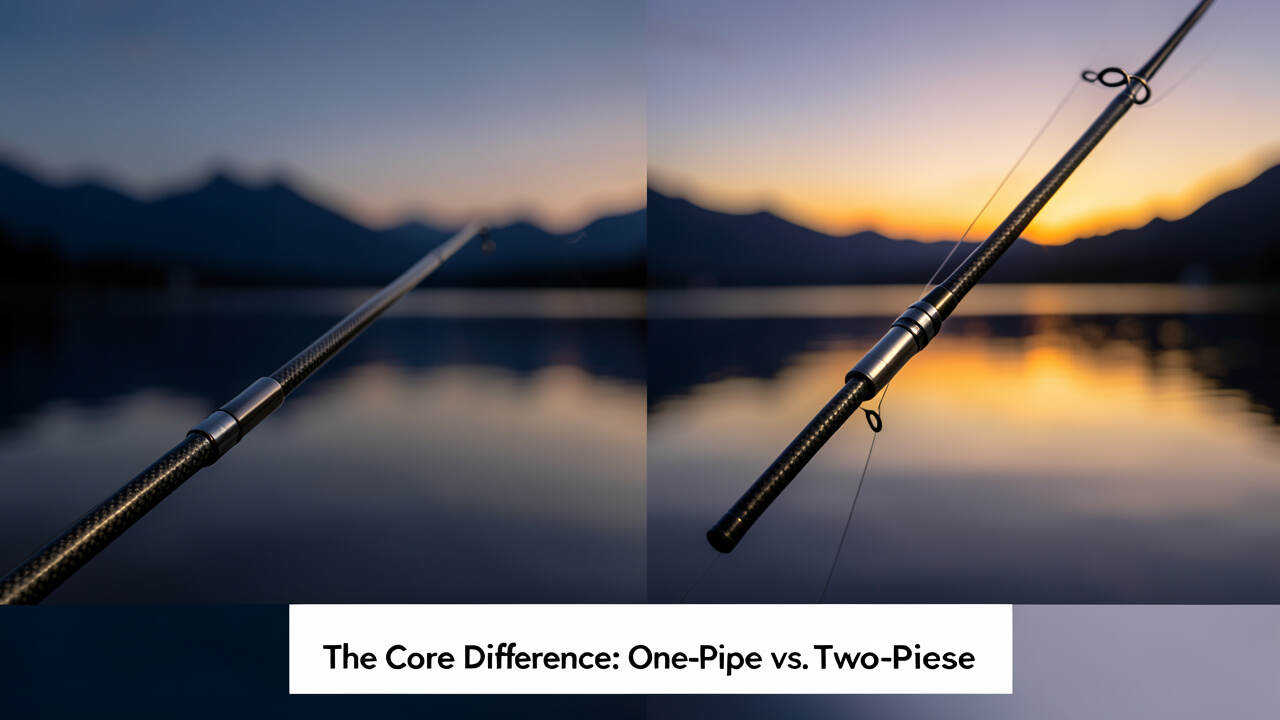
Understanding Rod Construction: The Core Difference
The Single, Unbroken Blank
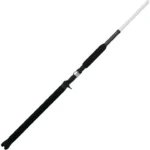
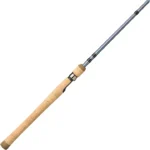
A one-piece fishing rod is made from a single, continuous piece of material, usually graphite or fiberglass. This means there are no joints or connections along the length of the rod. This uninterrupted design is key to many of its advantages.
It allows vibrations from the lure and the fish to travel directly up the rod to your hand. This gives you a very clear sense of what’s happening underwater. For anglers who rely on feeling every nibble and strike, this direct connection is invaluable.
The solid construction also means there are fewer weak points. When you put stress on a rod, like during a powerful cast or when fighting a strong fish, the force is distributed evenly along the entire blank. This makes one-piece rods exceptionally strong and less likely to break at a joint.
They are often favored by experienced anglers for their performance and reliability in demanding situations.
For maximum sensitivity, choose a one-piece rod to feel every vibration directly from lure to hand without interruption.
The Convenient Two-Part Design
In contrast, a two-piece fishing rod is manufactured in two separate sections that connect together, usually with a ferrule. This joint allows you to break the rod down into two smaller pieces. The main benefit here is portability.
Carrying a rod that breaks down is much easier than trying to transport a single, long rod. It fits into smaller spaces, like the trunk of a car or even a suitcase, making it ideal for anglers who travel to different fishing spots or have limited storage space at home.
While the joint might seem like a potential weak point, modern engineering has made these connections very strong and reliable. The ferrules are designed to handle significant stress. However, it’s still a point where the rod’s integrity is interrupted.
For many anglers, the convenience of a two-piece rod outweighs any minor perceived drawbacks in strength or sensitivity compared to its one-piece counterpart.
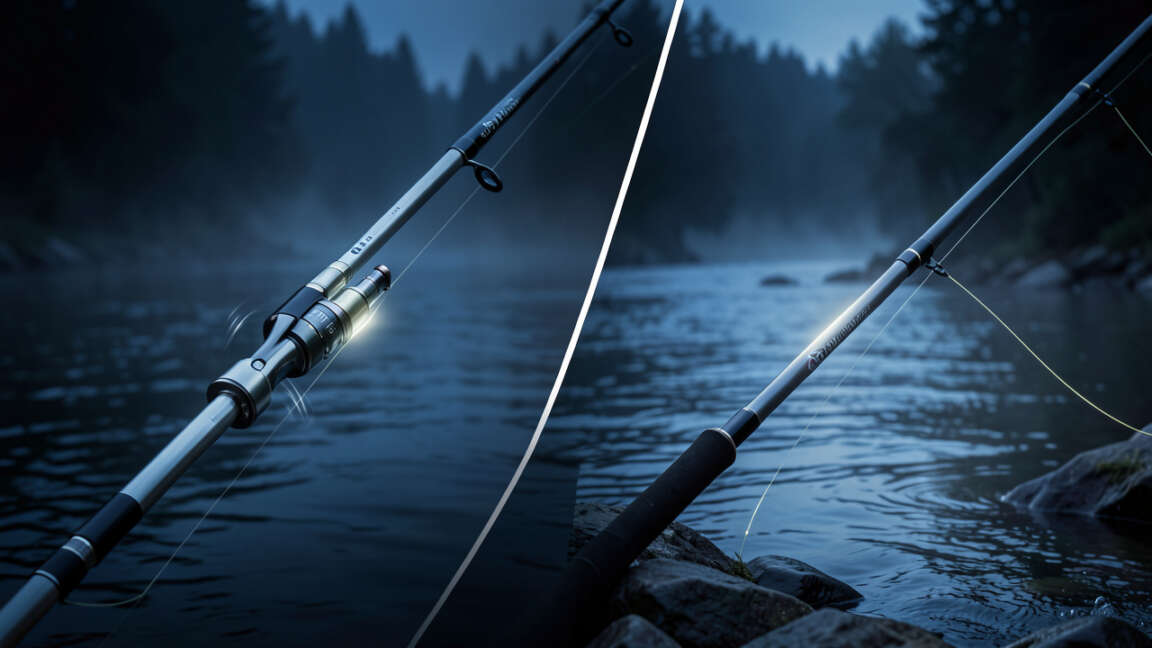
Performance Differences: Sensitivity and Strength
How Sensitivity is Affected
Sensitivity is a big deal for anglers. It’s how well you can feel what your lure is doing and if a fish is biting. With a one-piece rod, the signal from your lure to your hand travels without interruption.
This direct path means you feel subtle bites more clearly. You can feel the difference between a weed and a fish, or the slightest tap from a shy fish. This enhanced feel can lead to more successful hooksets.
Two-piece rods, while very good, can sometimes dampen these vibrations slightly at the ferrule. The joint acts as a small interruption in the rod’s structure. This doesn’t mean two-piece rods are insensitive; many high-quality two-piece rods offer excellent sensitivity.
However, if you are comparing two rods of identical quality and materials, the one-piece version will almost always offer a slight edge in pure, unadulterated feel. This is a key consideration for certain types of fishing, like finesse fishing or jigging.
While two-piece rods offer excellent sensitivity, a one-piece rod of identical quality provides a slight edge in pure feel due to uninterrupted signal transmission.
The Strength Factor
When it comes to raw strength and durability, one-piece rods generally have an advantage. Because they are a single, continuous piece of material, they have no inherent weak points like a ferrule. When you bend a one-piece rod, the stress is distributed evenly across the entire blank.
This makes them incredibly strong and resilient, able to handle significant pressure without fear of breaking at a joint.
Two-piece rods are also very strong, especially modern ones with well-engineered ferrules. However, the ferrule is still a connection point. While designed to be robust, it is still a place where stress can concentrate.
In extreme situations, or if the ferrule is not perfectly maintained, it can become a failure point. For heavy-duty fishing, like trolling for large game fish or casting heavy lures, many anglers still prefer the absolute peace of mind that comes with a one-piece rod.

Portability and Convenience: Where Two-Piece Shines
Easy Transport and Storage
The most significant advantage of two-piece rods is their convenience. Imagine trying to fit a 7-foot one-piece rod into the back of a small car or carrying it onto a bus. It’s awkward and often impossible.
A two-piece rod, however, breaks down into two manageable sections, typically around 3 to 4 feet long. This makes it incredibly easy to transport in any vehicle, store in a closet, or even pack in luggage for a fishing trip to a distant location.
This ease of transport is a huge benefit for anglers who don’t have a dedicated fishing vehicle, live in apartments, or frequently travel to fish. It opens up more opportunities to fish in different places without the hassle of dealing with long, unwieldy equipment. For many casual anglers, the practical benefits of a two-piece rod are more important than the subtle performance differences compared to one-piece models.
For casual anglers, the convenience of a two-piece rod often outweighs the subtle performance advantages of a one-piece rod.
Ideal for Travel Anglers
If you are the type of angler who loves to fly to new destinations to fish, or you often drive long distances to reach prime fishing spots, the two-piece rod is likely your best friend. It simplifies the entire travel process. You don’t need special rod cases or racks.
Your fishing gear becomes much more compact and manageable, allowing you to focus on the excitement of the trip rather than the logistics of carrying your equipment.
Many companies now produce high-performance two-piece rods that rival their one-piece counterparts in terms of casting distance, accuracy, and fish-fighting ability. This means you don’t have to sacrifice quality for convenience. For the traveling angler, the decision is often a clear one: the two-piece rod offers the best balance of performance and practicality for life on the move.
Action and Power: How Construction Plays a Role
Understanding Rod Action
Rod action refers to how much of the rod bends when pressure is applied and where it bends. A fast-action rod bends mostly at the tip, a moderate-action rod bends in the upper half, and a slow-action rod bends all the way down to the handle. The continuous nature of a one-piece rod allows for more precise control over the blank’s taper and material distribution.
This can lead to more refined and consistent action throughout the rod.
Two-piece rods can also achieve excellent actions, but the ferrule can sometimes slightly alter the bend. Manufacturers work hard to design ferrules that are seamless in their action, but there’s always a subtle interruption. For anglers who are very particular about the exact bend and feel of their rod, this is something to consider.
However, for most fishing applications, the action differences are minimal and often unnoticeable to the average angler.
A one-piece rod's continuous blank allows for smoother loading and unloading, resulting in slightly longer casts and better lure control.
Power and Casting Performance
Rod power refers to the rod’s strength and its ability to cast a lure a certain distance and handle a certain weight of fish. Similar to action, the uninterrupted blank of a one-piece rod can allow for more efficient transfer of energy during a cast. This can result in slightly longer casting distances and better lure control.
The rod loads and unloads more smoothly without the slight disruption of a ferrule.
Again, modern two-piece rods have come a long way. High-quality two-piece rods can cast just as far and handle just as much weight as their one-piece counterparts. However, for competitive casting or situations where every inch of distance matters, the one-piece rod might offer a slight edge.
It’s a subtle difference that might only be apparent to very experienced anglers who have spent years refining their casting technique.
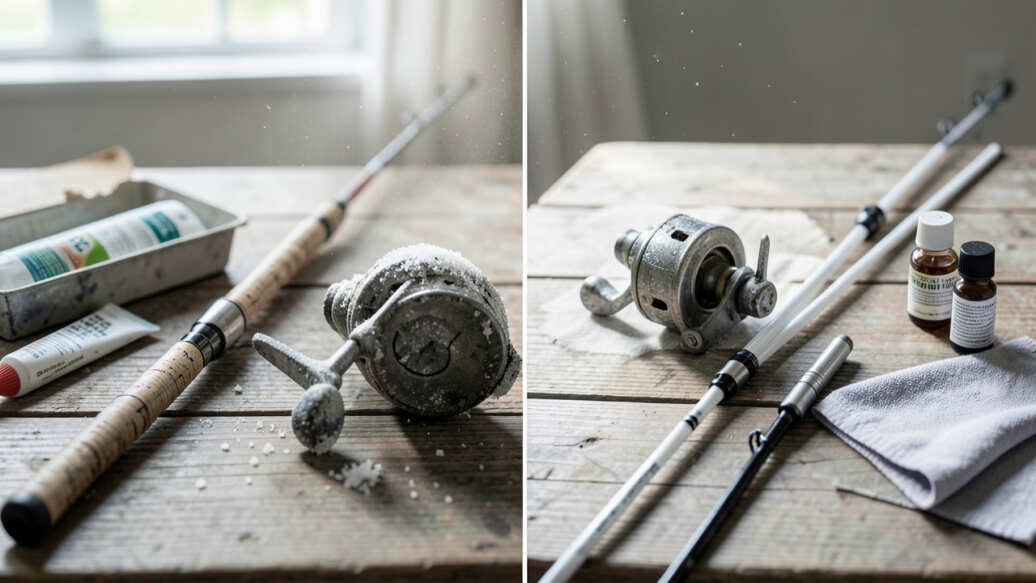
Durability and Maintenance
Long-Term Reliability
In terms of long-term durability, one-piece rods are often considered more reliable. With fewer parts, there are fewer potential points of failure. The rod’s material is consistent from butt to tip, meaning there’s no ferrule to loosen, crack, or corrode over time.
If you are someone who takes good care of their gear but wants the absolute maximum lifespan and minimal worry, a one-piece rod is a solid choice. They are built to withstand the rigors of regular use.
However, it’s important to note that “durability” also depends on how the rod is treated. A one-piece rod is still susceptible to breaking if it’s mishandled, stepped on, or used improperly. The key is that its inherent design offers fewer vulnerabilities.
Keep the ferrule of a two-piece rod clean and free of debris to prevent binding and potential damage.
For anglers who are rough on their gear or fish in harsh environments, the inherent strength of a one-piece rod can be a significant advantage.
Maintenance Considerations
Maintenance for both types of rods is generally straightforward. For one-piece rods, cleaning them after use, rinsing them if they’ve been in saltwater, and storing them properly are the main tasks. The lack of a ferrule means there’s no connection to worry about.
This simplicity makes maintenance very easy.
Two-piece rods require a little extra attention to the ferrule. It’s important to keep the ferrule clean and free of dirt or debris, as this can cause it to bind or even damage the rod. Some anglers apply a thin coat of wax or a specialized ferrule lubricant to ensure a smooth connection and prevent sticking.
When assembling or disassembling, it’s crucial to twist, not pull, to avoid damaging the joint. Proper care ensures the ferrule remains strong and functional for years.
Cost Comparison: What to Expect
Price Ranges for Both Types
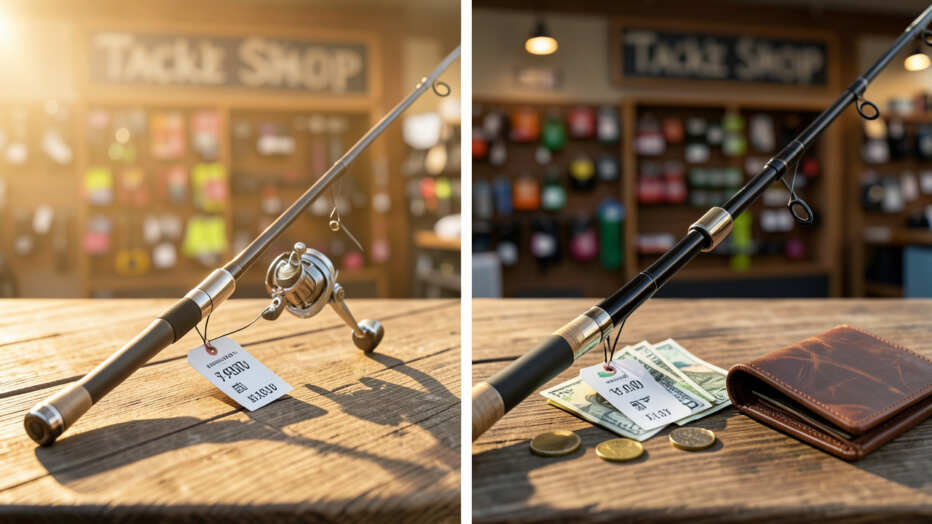
The price of fishing rods varies enormously based on brand, materials, and features, regardless of whether they are one-piece or two-piece. You can find very inexpensive, entry-level rods in both categories. Similarly, high-end, professional-grade rods can cost hundreds or even thousands of dollars in both one-piece and two-piece designs.
It’s not a simple case of one type always being cheaper than the other.
However, for comparable quality and materials, sometimes very basic one-piece rods can be found at slightly lower price points because their manufacturing process is simpler, without the added complexity of designing and fitting a ferrule. Conversely, some specialized, high-performance two-piece rods designed for specific techniques might command a premium due to their advanced engineering. It’s best to compare specific models rather than generalize too much about cost.
Professional-grade rods can be expensive in both one-piece and two-piece designs, so price alone shouldn't determine your choice.
Value for Your Money
When considering value, it’s about matching the rod’s features to your needs and budget. For an angler who primarily fishes from their backyard or a local pond and doesn’t travel, a one-piece rod might offer better performance for the money. The enhanced sensitivity and strength could be more beneficial than portability.
For someone who flies to fish, fishes from multiple locations requiring car travel, or has limited storage space, a two-piece rod offers exceptional value. The convenience it provides is worth the investment. Many anglers find that the performance of modern two-piece rods is more than adequate for their fishing needs, making them a great value proposition.
The key is to identify what you prioritize most in a fishing rod.
Making Your Choice: Which Rod is Right for You?
Consider Your Fishing Habits
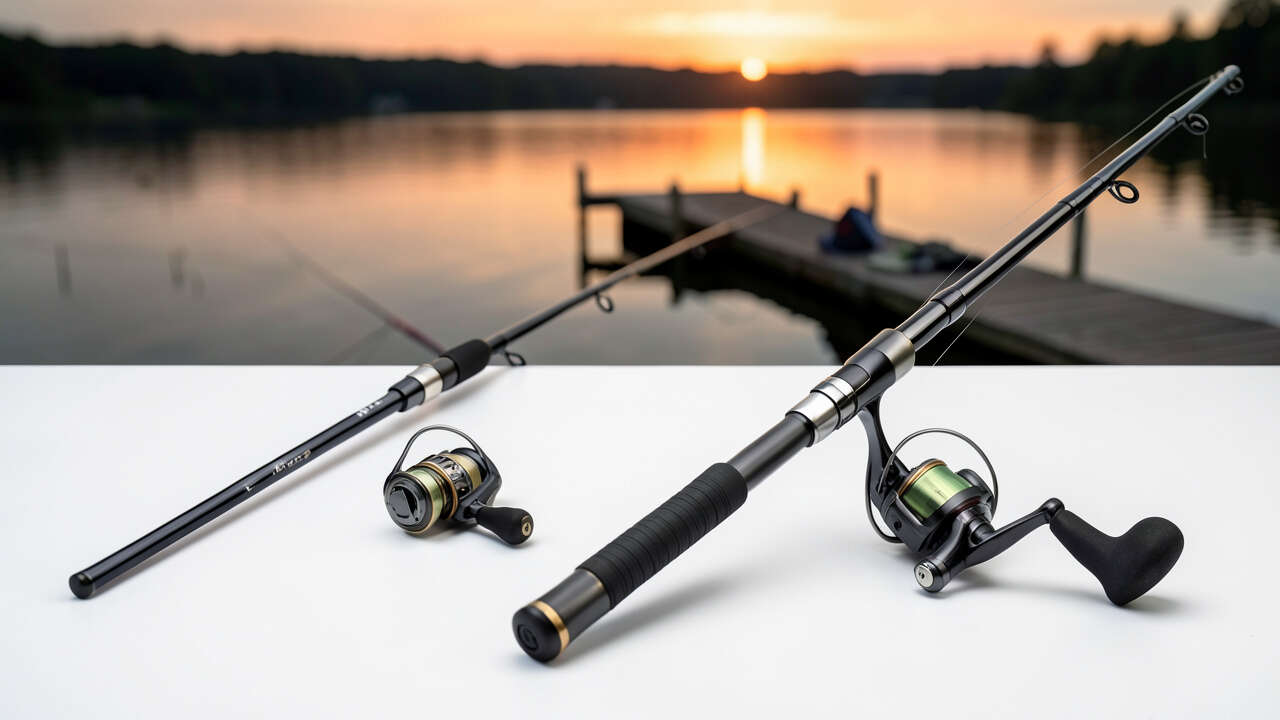
Your personal fishing habits are the most important factor when deciding between a one-piece and a two-piece rod. If you are a dedicated angler who fishes frequently from the same spot, perhaps from a boat or a dock, and you prioritize the absolute best in feel and strength, a one-piece rod is likely your best bet. It will offer the most direct connection to your lure and the fish.
If you are an angler who enjoys exploring new waters, fishes from shore and has to walk to your spots, or travels by car often, the portability of a two-piece rod will likely make your fishing experience much more enjoyable and accessible. Think about how you get to your fishing spots and how you store your gear. This will point you toward the more practical choice.
Your personal fishing habits are the most important factor in choosing between a one-piece and a two-piece rod.
Matching Rod to Target Species and Techniques
Different fishing techniques and target species might also influence your decision. For highly technical fishing styles like drop-shotting, finesse worming, or certain types of jigging where feeling the lightest bite is crucial, the enhanced sensitivity of a one-piece rod can be a significant advantage. This direct feedback allows for precise lure presentation and quick reactions.
However, many two-piece rods are specifically designed for these techniques and perform exceptionally well. If you’re targeting larger, more powerful fish that tend to make strong runs, the robust nature of a one-piece rod might offer more confidence. But again, high-quality two-piece rods are built to handle significant stress and are perfectly capable of landing large game fish.
It often comes down to personal preference and the specific model.
Frequently Asked Questions
What is the main advantage of a one-piece fishing rod?
The main advantage of a one-piece rod is its superior sensitivity and strength due to its continuous, unbroken construction, offering direct feel and fewer potential weak points.
Why are two-piece fishing rods so popular?
Two-piece rods are popular because they are much more convenient for transport and storage, making them ideal for anglers who travel or have limited space.
Does a two-piece rod have less sensitivity than a one-piece rod?
While a one-piece rod generally offers slightly better sensitivity, modern two-piece rods have excellent sensitivity that is sufficient for most fishing situations.
Are one-piece rods stronger than two-piece rods?
Generally, one-piece rods are considered stronger due to their continuous design without a ferrule, which is a potential stress point in two-piece rods.
Which type of rod is better for traveling anglers?
For traveling anglers, two-piece rods are almost always the better choice due to their easy breakdown for transport and storage.
Can I use a two-piece rod for serious fishing?
Absolutely, high-quality two-piece rods are designed for serious fishing and offer performance comparable to one-piece rods in most applications.
Final Thoughts
Deciding between a one-piece and a two-piece rod comes down to your personal fishing style and needs. If maximum sensitivity and strength are your top priorities, and portability isn’t an issue, a one-piece rod is excellent. For ease of travel and storage, a two-piece rod offers unbeatable convenience without significant performance sacrifice.
Consider how and where you fish to make the best choice for your adventures.

2 Comments