Line-To-Leader Knots: Albright, Double Uni, Fg Knot Compared
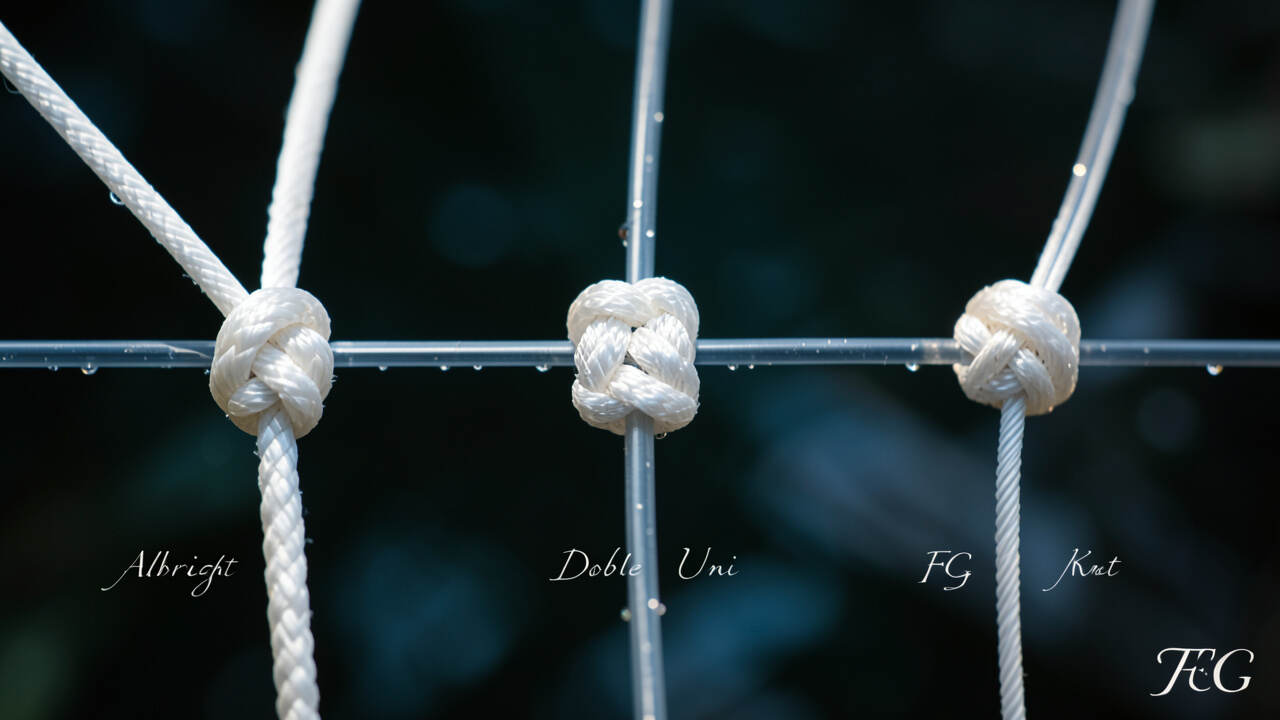
The Albright, Double Uni, and FG knots each offer unique advantages for connecting line to leader depending on line type and fishing conditions. The FG knot provides the thinnest profile and highest strength for braided to fluorocarbon, while the Albright offers a balanced option for mono to leader, and the Double Uni is simplest to tie but has a bulkier profile. Anglers should choose based on line materials and the need for knot strength versus ease of tying, as the optimal choice reduces lost fish and improves fishing confidence.
Choosing the right knot for connecting your fishing line to your leader can make a big difference. It means fewer lost fish and more confidence on the water. Understanding the strengths and weaknesses of popular options helps you pick the best one for your fishing style.
We’ll look at the Line-to-Leader Knots: Albright, Double Uni, FG Knot Compared so you can make smarter choices. You’ll learn which knot works best for different line types and fishing situations.
Key Takeaways
- You will understand the basic structure and best uses for the Albright, Double Uni, and FG knot.
- Learn how each knot performs with different line materials like monofilament, fluorocarbon, and braided line.
- Discover the pros and cons of each knot, including their strength, ease of tying, and profile.
- Gain insights into which knot is ideal for specific fishing scenarios, from freshwater to saltwater.
- Be able to tie these knots more confidently after reviewing clear explanations and comparison points.
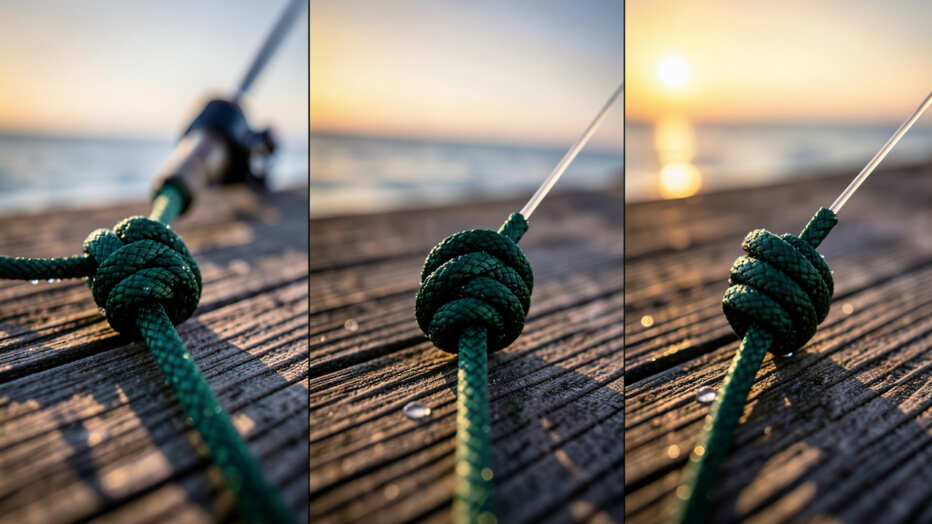
Choosing Your Strongest Line Connection
When you’re out on the water, the connection between your main fishing line and your leader is super important. It’s the weak link if it’s not tied right. A knot that slips or breaks can mean losing a trophy fish.
A poorly tied line-to-leader knot is the most common cause of lost fish. Always test your knot by pulling firmly before casting to ensure it's secure.
That’s why knowing about different Line-to-Leader Knots: Albright, Double Uni, FG Knot Compared is so helpful. We want to make sure your knot holds tight every time. This guide will break down three popular knots: the Albright, the Double Uni, and the FG knot.
We’ll look at how they work and when you should use them.
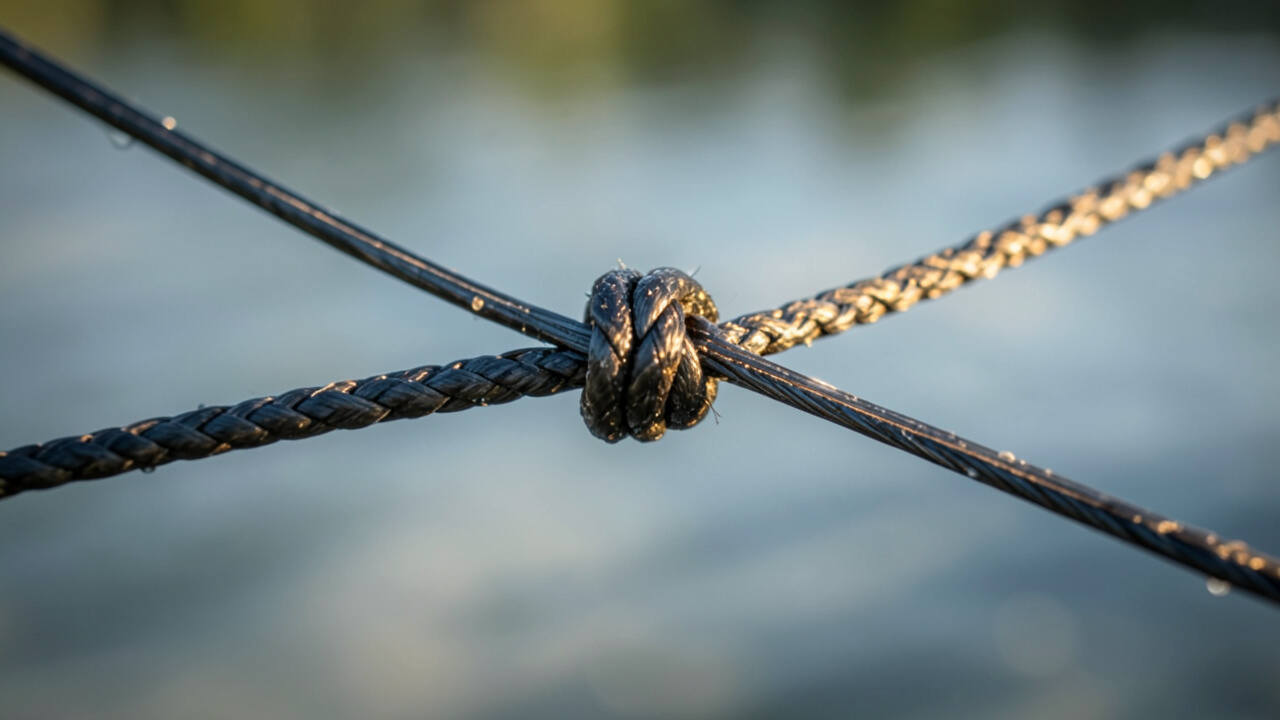
The Albright Knot: A Reliable All-Arounder
The Albright knot is a classic for a reason. It’s known for being strong and relatively easy to tie, especially when connecting lines of different diameters. Many anglers trust the Albright knot for its dependable performance.
It’s a good choice for many situations.
When to Use the Albright Knot
This knot shines when you’re connecting a thicker monofilament or fluorocarbon leader to a thinner braided main line. It handles this combination well because of how it cinches down. It creates a smooth profile that can pass through rod guides easily.
This is a big plus when casting.
How to Tie the Albright Knot
Tying the Albright knot involves a few simple steps. You’ll create a loop in one line and pass the other line through it. Then, you wrap the tag end around both lines several times.
The Albright knot can be challenging to tie perfectly in windy conditions or with slippery lines. Using a bit of tension on both ends during tightening helps avoid loose wraps.
First, fold your leader material in half to create a loop. Second, pass the tag end of your main line through this loop. Next, wrap the tag end of the main line around both the leader and the main line about six to eight times.
Make sure the wraps are snug and close together. Then, pass the tag end of the main line back through the loop, near where it first entered. Finally, wet the knot with saliva or water and pull both the main line and leader tag ends to tighten it down evenly.
Trim the excess line.
Pros and Cons of the Albright Knot
The Albright knot is strong, especially for connecting dissimilar line types. It has a relatively slim profile, which helps it slide through rod guides without much friction. However, it can sometimes be a bit trickier to tie perfectly, especially in windy conditions or with very slippery lines.
It might also not be the absolute strongest for connecting two lines of the exact same diameter, where other knots might excel.
The Double Uni Knot: Simple and Effective
The Double Uni knot is another favorite among anglers because of its simplicity. It’s very easy to learn and tie, making it a great option for beginners. It’s also quite versatile and works well for connecting similar or slightly different line types.
When to Use the Double Uni Knot
This knot is excellent for connecting two pieces of monofilament or fluorocarbon line. It’s also a solid choice for joining braided line to a monofilament or fluorocarbon leader. Its ease of tying makes it a go-to knot for quick leader changes on the water.
You can rely on it for many fishing scenarios.
How to Tie the Double Uni Knot
Tying the Double Uni knot is straightforward. You essentially tie a Uni knot on one line with the other line, and then tie another Uni knot on the second line with the first line. First, lay the two lines side-by-side.
The Double Uni knot's simplicity makes it an excellent choice for connecting two pieces of monofilament or fluorocarbon line, especially for beginners.
Second, form a loop in one line (say, the leader) and pass the tag end of the other line (main line) through it. Wrap the main line tag end around both lines four to six times. Next, slide this knot down towards the standing part of the leader.
Then, do the same on the other line: form a loop in the main line and pass the leader tag end through it. Wrap the leader tag end around both lines four to six times. Finally, wet both knots and pull both standing lines to cinch them together.
Trim the excess tags.
Pros and Cons of the Double Uni Knot
The biggest advantage of the Double Uni knot is its ease of tying. It’s very forgiving and generally holds strong for most fishing applications. Its main drawback is that it can create a slightly bulkier knot compared to something like the FG knot, which might be a concern when fishing with very light tackle or in situations where line friction is critical.
It’s also generally considered stronger when connecting lines of similar diameter.
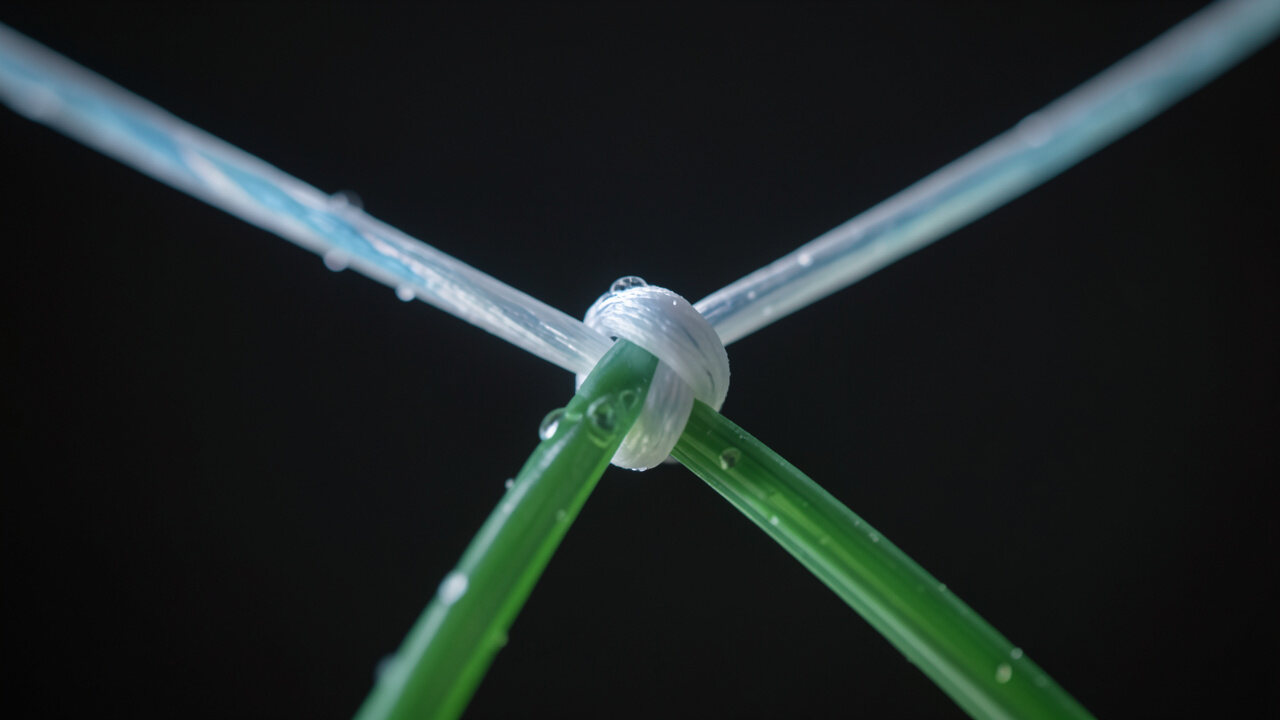
The FG Knot: The Ultimate Slim Profile
The FG knot is often hailed as the king of slim-profile knots. It’s incredibly strong and creates a connection that is almost seamless, allowing it to pass through rod guides with virtually no resistance. This makes it a favorite for anglers who use braided line and demand the best performance.
When to Use the FG Knot
The FG knot is best for connecting braided main line to monofilament or fluorocarbon leaders. It excels at this because of how the braid wraps tightly around the leader, creating a very secure and smooth joint. It’s particularly popular in techniques like jigging, popping, and casting lures where line management is crucial and a bulky knot can cause problems.
How to Tie the FG Knot
Tying the FG knot can be challenging at first. It requires a bit of practice to get right. First, lay your leader material against your main line.
Second, use your thumb to pinch both lines together near the end of the leader. Next, take the tag end of your main line and wrap it around the leader and main line, going forward towards the standing part of the main line. You’ll wrap this about 15 to 20 times.
The FG knot creates an ultra-slim connection that passes through rod guides smoothly, making it ideal for braided lines. Practice tying it at home until the motion becomes second nature.
Then, bring the tag end of the main line back through the wraps, going in the opposite direction. This creates a series of tight wraps. Finally, you’ll add a few half-hitches or a surgeon’s knot on the tag end of the leader to secure everything.
Wet the knot well and pull firmly on both the main line and leader to seat it properly. Trim the excess.
Pros and Cons of the FG Knot
The FG knot’s main advantage is its incredibly slim profile and exceptional strength when tied correctly. It’s virtually snag-free and allows for smooth casting. The main con is its difficulty to tie, especially for beginners or in adverse conditions.
It requires practice and precision. If not tied perfectly, it can fail.
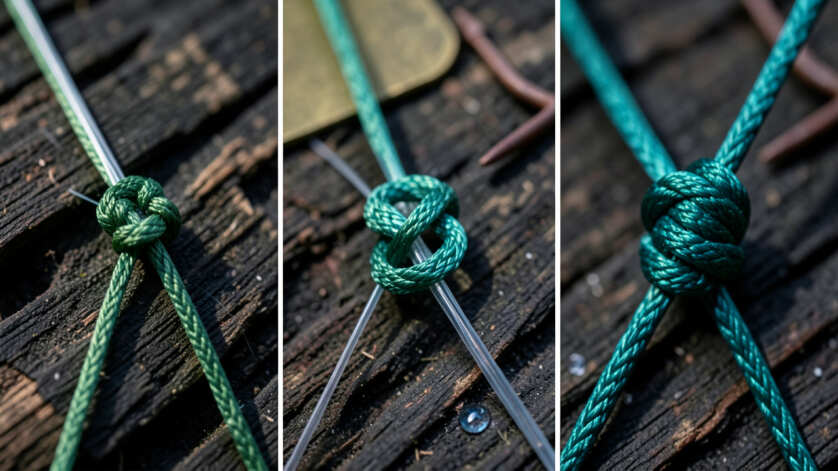
Comparing the Top Line-to-Leader Knots
When we look at Line-to-Leader Knots: Albright, Double Uni, FG Knot Compared, a few key differences stand out. Each knot has its place, and the best choice often depends on your specific fishing setup and target species. Here’s a quick comparison to help you decide.
Each knot has distinct strengths depending on line type and fishing conditions; the wrong choice can reduce knot strength. For braid to fluorocarbon, the FG knot offers superior strength and profile over the Albright or Double Uni.
Choosing the Right Knot for Your Fishing
Your fishing environment and the type of fish you’re after heavily influence which knot is best. For instance, if you’re targeting powerful offshore species on heavy braided line with a thick fluorocarbon leader, the FG knot is often the top choice. Its slim profile and immense strength prevent abrasion and slippage when a big fish makes a long run.
The smooth transition through guides is crucial here.
The FG knot's slim profile and immense strength prevent abrasion and slippage during a big fish's long run, making it a top choice for offshore anglers using heavy braided line.
If you’re more of a casual angler, or perhaps targeting smaller freshwater species, the Double Uni knot might be perfectly adequate. It’s fast to tie, reliable, and you won’t have to worry about it failing. It’s a great all-around knot for many common fishing scenarios.
You can confidently use it for most of your everyday fishing needs.
The Albright knot remains a solid option, especially when you need to connect lines that have a significant difference in diameter. Many anglers keep this knot in their arsenal for specific situations where other knots might struggle. It offers a good balance of strength and manageability.
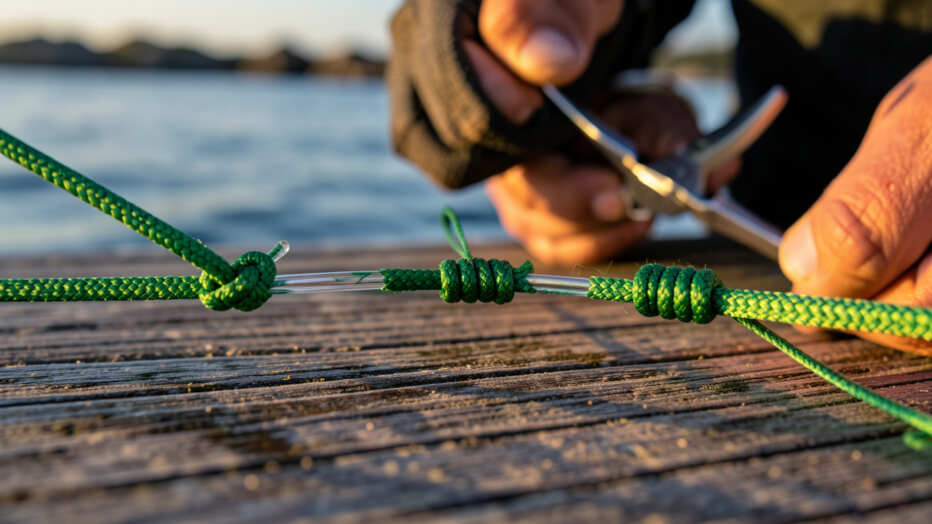
Tips for Tying Stronger Knots
No matter which knot you choose, proper tying technique is key. Here are some tips that apply to all Line-to-Leader Knots: Albright, Double Uni, FG Knot Compared:
Wetting your knot before tightening lubricates the line, reduces friction heat, and allows the knot to seat properly for maximum strength.
- Always wet your knot before tightening. Saliva or even a splash of water lubricates the line, allowing it to seat properly without friction heat that can weaken the line.
- Pull slowly and steadily. When cinching down the knot, avoid jerky movements. A consistent pull helps the knot seat evenly and securely.
- Trim tags close, but not too close. Leave a small tag end, about 1/8 inch, to ensure the knot doesn’t slip. Too long a tag can catch on things.
- Practice makes perfect. The more you tie these knots, the better you’ll become. Try them at home before you need them on the water.
- Inspect your knots. Before casting, give your knot a good tug to ensure it’s seated correctly and feels secure.
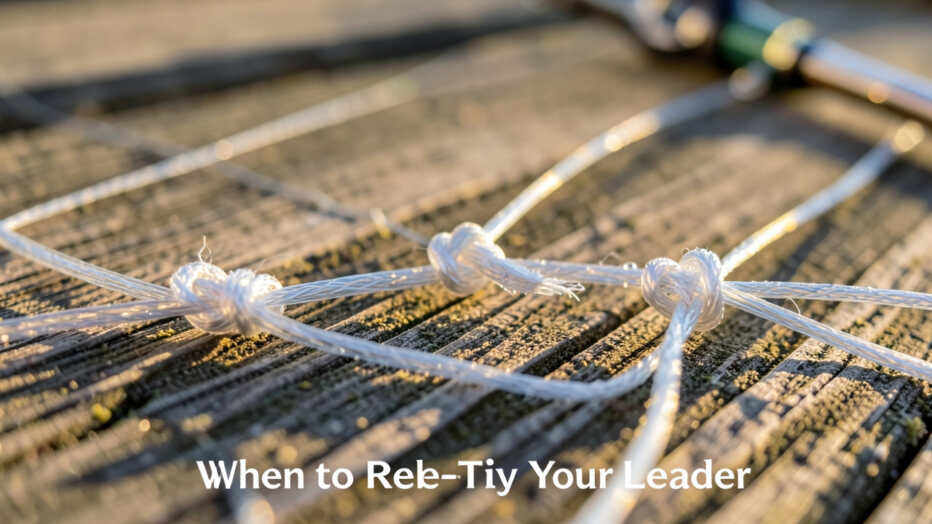
When to Re-Tie Your Leader
Even the best knots can be compromised. It’s important to know when to re-tie your leader. After landing a big fish, especially one that made a strong fight, it’s wise to check and potentially re-tie your knot.
After fighting a large fish, always inspect and consider re-tying your leader knot, as stress can weaken the line near the knot. Visible fraying or nicks are clear indicators it's time to retie.
Any visible fraying, nicks, or abrasion on your leader or main line near the knot is a clear sign to re-tie.
Similarly, if your leader has been dragged over rocks, submerged structure, or even just through a lot of weeds, it can develop weak spots. A quick inspection can save you from a lost fish later. Always err on the side of caution when it comes to your knot strength.
Frequently Asked Questions
Which knot is the strongest for connecting braid to monofilament?
The FG knot is generally considered the strongest and most reliable for connecting braided line to monofilament or fluorocarbon leaders due to its slim profile and secure grip.
Is the Albright knot good for connecting two pieces of braided line?
While the Albright knot can work for connecting two braided lines, it’s not its strongest application. Knots like the FG knot or a modified Albright are often preferred for braid-to-braid connections.
How do I make sure my Double Uni knot doesn’t slip?
To ensure your Double Uni knot doesn’t slip, make sure you use enough wraps (4-6 turns) and wet the knot thoroughly before pulling it tight. A steady, firm pull is also important.
Is the FG knot really that hard to tie?
The FG knot requires practice and a good technique. Many anglers find it difficult initially, but with consistent practice, it becomes much easier to tie securely and quickly.
When should I consider using the Albright knot over the Double Uni knot?
Consider the Albright knot when you’re connecting lines with a significant difference in diameter, such as a thin braid to a much thicker monofilament or fluorocarbon leader. It handles this transition very well.
What is the main advantage of comparing Line-to-Leader Knots: Albright, Double Uni, FG Knot Compared?
Understanding the Line-to-Leader Knots: Albright, Double Uni, FG Knot Compared helps you choose the most reliable knot for your specific fishing situation, preventing lost fish and increasing your confidence on the water.
Final Thoughts
Choosing the right knot is key for secure fishing connections. The Albright, Double Uni, and FG knots each offer unique benefits. Learning when to use each one will greatly improve your success on the water and prevent lost fish.