

Wind Knot Prevention On Braid: Casting Technique Adjustments
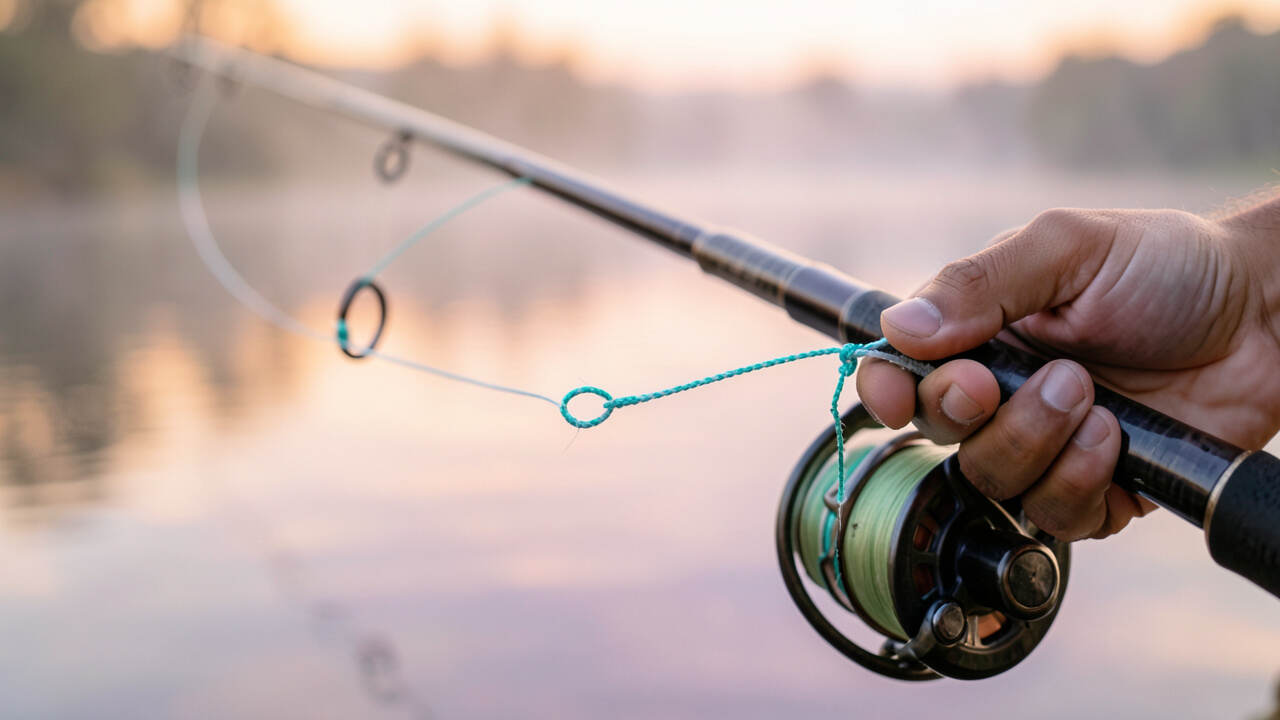
Adjusting casting technique is essential for wind knot prevention on braid, as its low stretch and slick surface require a softer stroke, proper spool tension, and controlled bail closing to avoid loose coils. Mastering line management, including feathering the line during the cast and ensuring the reel spool is filled correctly, directly reduces tangles across different conditions and lure weights. The practical takeaway is that simple modifications like a smoother acceleration and a deliberate stop prevent the loop formations that cause wind knots.
Getting tangled lines when you’re out fishing can really ruin a good day. You want to cast smoothly and accurately, but sometimes your braid line just seems to create a mess. Learning how to adjust your casting technique is key to avoiding these frustrating snags.
This guide will show you simple changes you can make to prevent those annoying knots, so you can spend more time catching fish and less time untangling. We’ll cover the best ways to handle your line and reel for smoother casts.
Key Takeaways
- Proper line management on the reel is crucial for wind knot prevention on braid: casting technique adjustments.
- Adjusting your casting stroke can significantly reduce the chances of braid tangles.
- The way you close your bail and retrieve line impacts knot formation.
- Understanding how braid behaves differently from monofilament helps in preventing knots.
- Simple practice and attention to detail make a big difference in casting success.
Why Braid Needs Different Casting Care
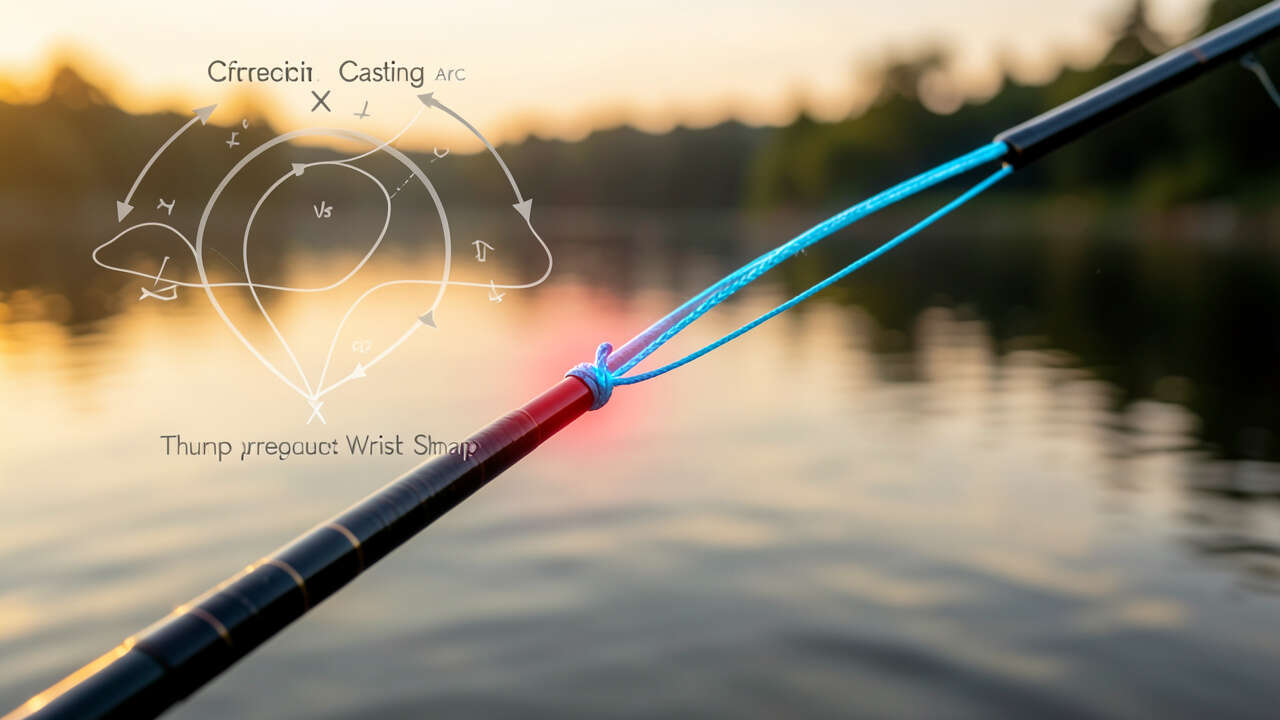
Fishing with braided line offers many advantages, like strength and sensitivity. However, braid is also very limp and has no stretch. This means it can easily loop and tangle if not handled carefully.
Unlike monofilament or fluorocarbon lines that have some stiffness, braid can lay loosely on the spool. This looseness is a primary cause of wind knots, especially when casting. Making small changes to how you cast can make a huge difference.
Always ensure your braid is under slight tension while spooling on the reel to prevent loose loops that cause wind knots.
Understanding the physics behind braid’s behavior is the first step. Braid doesn’t “memory” like some other lines. It also doesn’t have the same friction with guides.
This is great for casting distance, but it also means it can slip and slide more easily. When the line slips, it can create slack loops. These slack loops are exactly what wind knots thrive on.
So, focusing on wind knot prevention on braid: casting technique adjustments is essential for any angler using braid.
Mastering Your Reel and Line Management
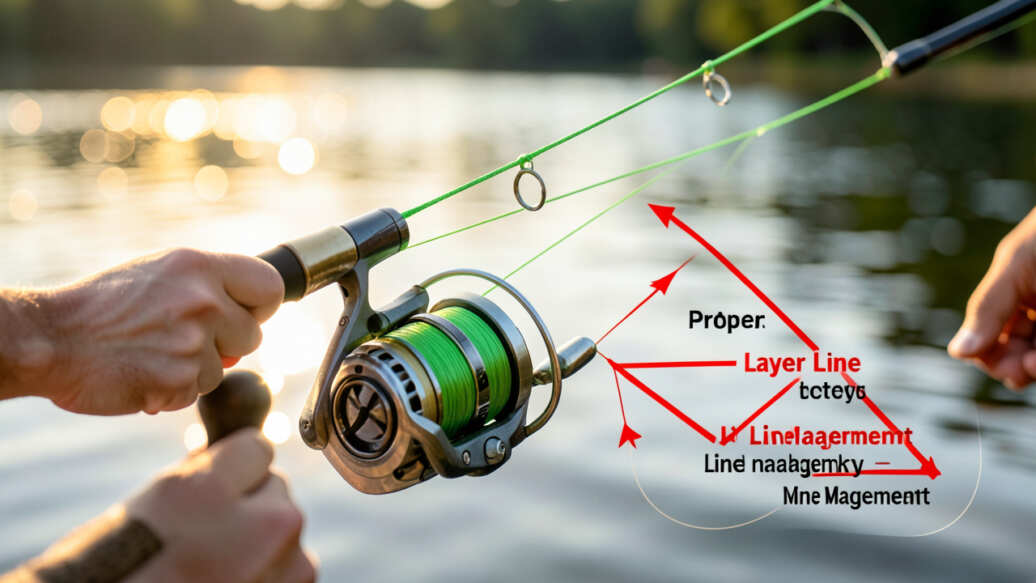
Before you even think about casting, how your line is spooled on your reel matters a lot. If your line is overfilled, it’s more likely to spill off the spool unevenly. This is a common culprit for tangles.
Aim to fill your spool about 1/8 to 1/4 inch from the lip. This gives the line enough room to flow freely without excessive slack.
The way you retrieve line also plays a role. When you retrieve, make sure the line is winding onto the spool neatly. Avoid overlapping loops or uneven winding.
A smooth, even retrieve helps keep the line taut and organized. This organized line is less likely to create problems during your cast. Proper line management is a foundation for successful wind knot prevention on braid: casting technique adjustments.
A quick manual re-spooling with controlled tension can correct uneven lay and prevent tangles before you even start casting.
Checking Your Spool Tension
Spool tension is another factor. When you’re initially putting line on your reel, the tension should be firm but not so tight that it digs into the spool. If it’s too loose, you’ll get loose coils that can spill off.
If it’s too tight, you can damage the line or the reel. A good feel is when the line is snug and doesn’t have much give when you press it.
Periodically check your spool. If you see any loose sections or “birds nests” forming on the spool itself, it’s time to address it. Sometimes, a quick manual re-spooling with slight tension can fix minor issues.
Taking care of your spool before you fish is a proactive step for wind knot prevention on braid: casting technique adjustments.
Adjusting Your Casting Stroke for Braid
The actual casting motion is where many wind knots happen. With braid, you need to be a bit more deliberate than with other lines. The goal is to control the line as it leaves the spool.
This means a smoother, more controlled release rather than a forceful flick.
First, focus on your rod tip movement. Instead of a sudden jerky motion, use a fluid, sweeping motion. Think about guiding the line out, not just throwing it.
This smooth action helps the line peel off the spool in a controlled manner. It prevents the line from getting ahead of itself and creating slack.
Second, pay attention to your wrist and arm. A controlled wrist snap is good, but avoid overdoing it. Too much force can cause the line to accelerate too quickly.
A smooth, controlled release of braid from the spool is more effective than a forceful flick for preventing wind knots.
This rapid acceleration can lead to the line looping off the spool and tangling. A gentle, consistent acceleration is best for braid.
The Importance of the Stop
Where you stop your casting motion also matters. Many anglers stop their rod abruptly. This sudden stop can cause the line to continue moving forward for a split second, creating slack.
Instead, try to stop your rod more gradually. This controlled stop helps to slow the line down smoothly, reducing the chance of slack loops forming.
Think of it like a controlled deceleration. This is a key aspect of wind knot prevention on braid: casting technique adjustments. It ensures the line is under tension right up until it’s in the air and heading towards your target.
This tension is your best friend against wind knots.
Bail Closing and Line Pickup Techniques
What you do immediately after the cast is just as critical as the cast itself. This is where many wind knots are actually formed, not during the cast. The moment the lure hits the water, or even before, is a prime time for trouble.
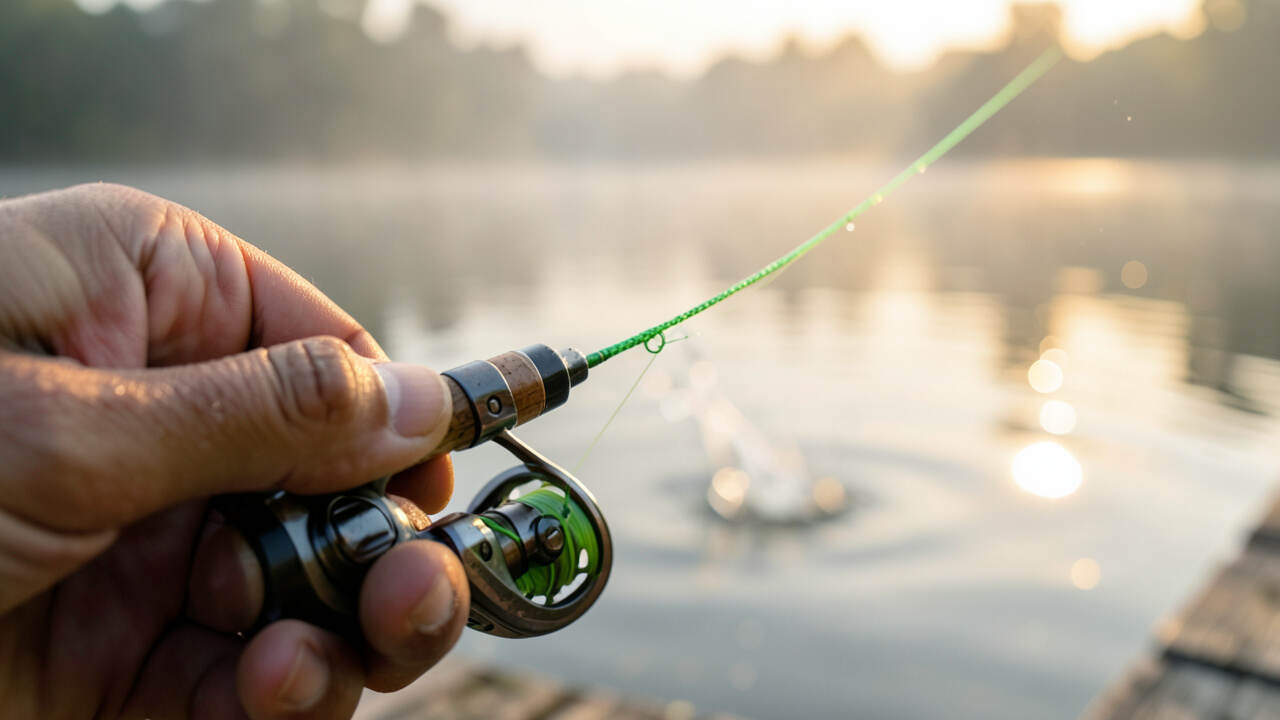
First, when you close the bail, do it with purpose. Some anglers try to close it with their rod hand. This can be too slow or too quick.
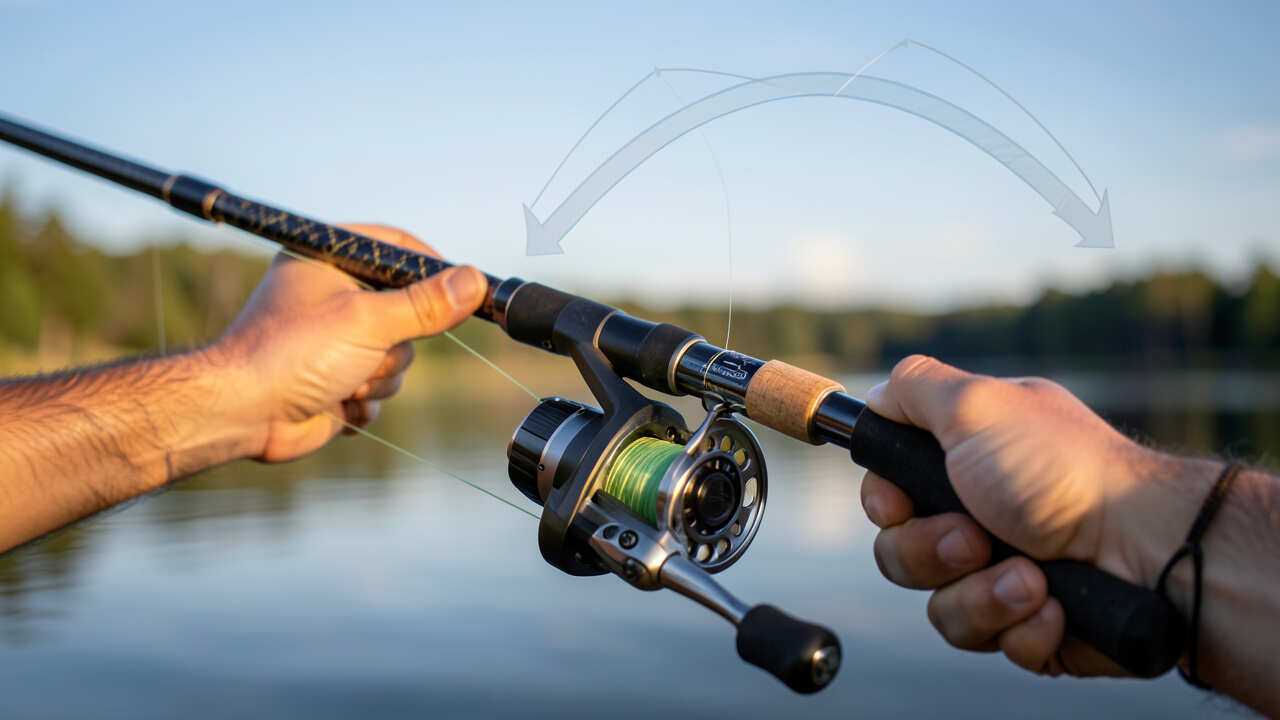
The best method for many is to close the bail manually with your other hand. This gives you precise control over when it closes.
Next, as you close the bail, make sure you start retrieving immediately. Don’t let the line sit slack for any period. As soon as the bail is closed, begin a steady retrieve.
Close the bail manually with your free hand for precise timing and to prevent loose loops from forming as the lure hits the water.
This takes up any slack that might have formed. This is a crucial part of wind knot prevention on braid: casting technique adjustments.
Be aware of how the line is laying on the spool as you retrieve. If you see it piling up or looking uneven, pause your retrieve briefly and make a few turns to straighten it out. This vigilance prevents small issues from becoming big tangles later.
The “Feathering” Technique
A technique often used with baitcasting reels, but adaptable to spinning reels, is “feathering” the line. This involves using your finger to lightly drag on the line or spool as the lure is in the air. It’s not about stopping the cast, but about controlling the speed of the line coming off the spool.
With a spinning reel, you can lightly touch the line on the spool with your index finger. As the lure slows down in flight, you can ease off the pressure. This helps to prevent the line from overrunning.
Practicing this feathering motion is a powerful tool for wind knot prevention on braid: casting technique adjustments, especially in windy conditions.
Wind Knot Prevention on Braid: Casting Technique Adjustments in Different Conditions
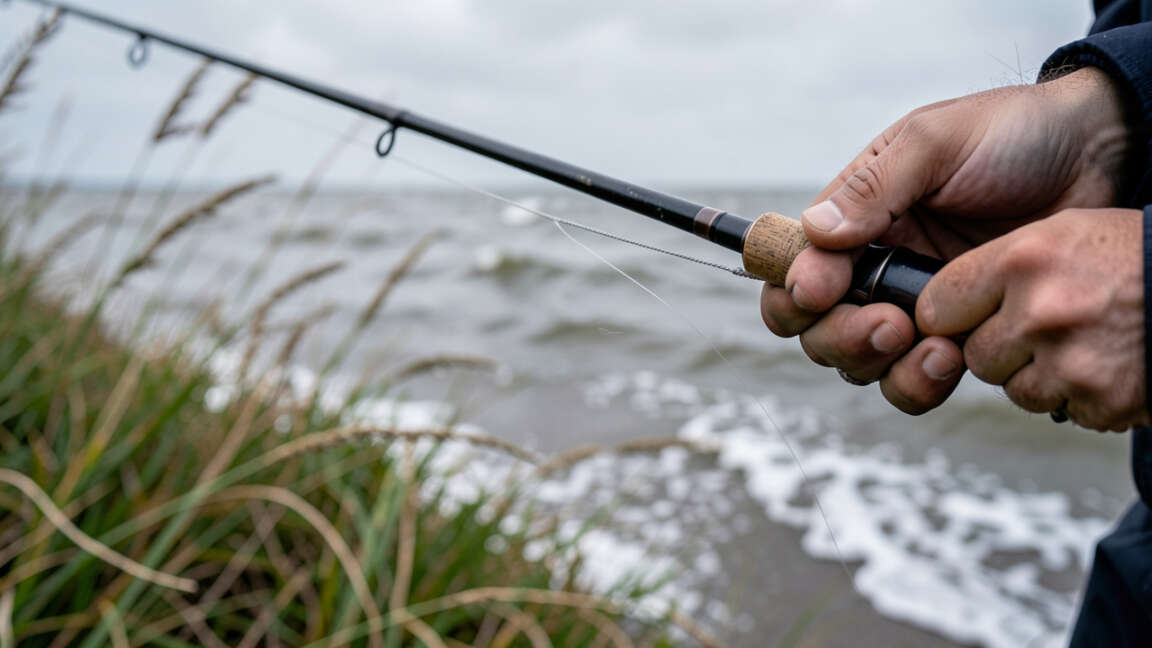
Fishing conditions are rarely perfect. Wind is a major factor that can exacerbate line tangles. When casting into the wind, you need to be even more careful.
The wind can push against your line, creating slack or even blowing it back towards you.
When casting into a headwind, shorten your casting stroke slightly. This reduces the speed at which the line is released. It also helps to keep the line tighter during the cast.
A shorter, more controlled cast is often more effective than a long, wild one in strong winds. This is a direct application of wind knot prevention on braid: casting technique adjustments.
Casting into a headwind without shortening your stroke can cause the wind to create slack loops, leading to immediate wind knots.
When casting with a tailwind, you have more line speed. This is where the risk of overruns is higher. Be extra diligent with your feathering or finger control.
You want to let the wind help, but not let the line get away from you. A slight drag on the spool can prevent the line from peeling off too fast.
Dealing with Different Lure Weights
The weight of your lure also affects casting. Lighter lures don’t have as much momentum. They often require a more precise cast to get them to travel well.
Heavier lures have more momentum, which can sometimes lead to the line getting ahead of itself.
For very light lures, you might need to increase your casting speed slightly to give them enough power. For heavier lures, focus on a smooth acceleration and a controlled stop. The principles of wind knot prevention on braid: casting technique adjustments remain the same, but you’ll adjust the force and speed to match the lure’s weight.
Common Mistakes and How to Fix Them
Even with the best intentions, anglers can fall into bad habits. Recognizing these mistakes is the first step to correcting them.
One common mistake is reeling too fast after casting; always start with a slow, steady retrieve to avoid tangles.
- Reeling too fast after casting: This is a major cause of wind knots. Always start your retrieve slowly and steadily after closing the bail.
- Not controlling line release: Letting the line fly off the spool unchecked is a recipe for tangles. Practice feathering or using your finger.
- Jerky casting motion: A smooth, fluid cast is much better for braid. Avoid sudden movements.
- Overfilling the spool: Too much line means too much opportunity for tangles.
- Ignoring line condition: Damaged or poorly spooled line will cause problems.
Fixing these involves conscious practice. Each cast is an opportunity to refine your technique. Remember, consistent application of wind knot prevention on braid: casting technique adjustments will lead to fewer tangles and more fishing enjoyment.
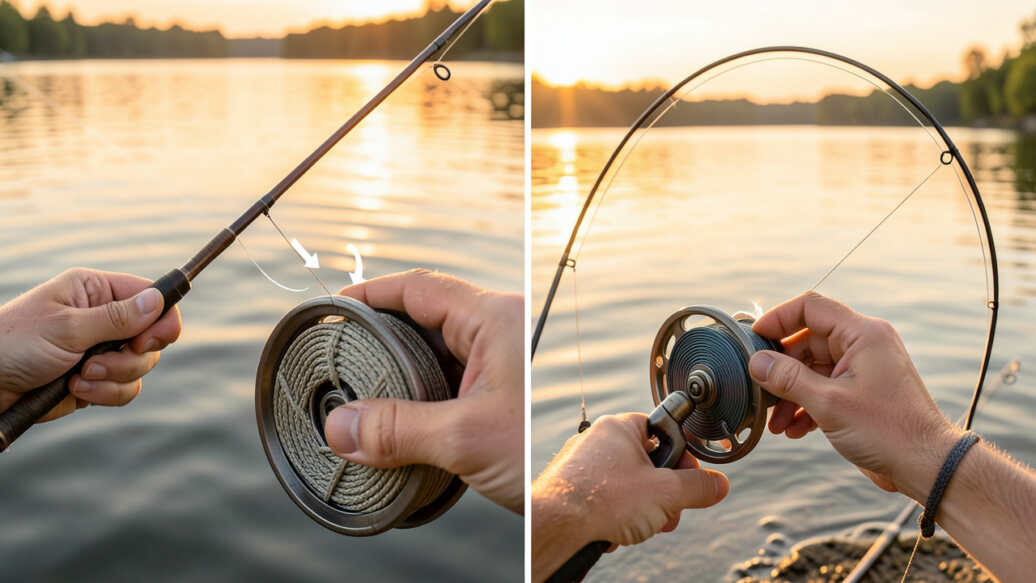
Spinning Reel vs. Baitcasting Reel: Technique Differences
While the principles of controlling line are similar, the way you achieve them differs between spinning and baitcasting reels.
For baitcasters, thumb pressure control is the equivalent of finger feathering on a spinning reel—both prevent line tangles.
For spinning reels, focus on a smooth cast and immediate, steady retrieval. For baitcasters, mastering thumb pressure is key to preventing the dreaded backlash, which is the baitcaster’s version of a wind knot. Both require attention to detail for effective wind knot prevention on braid: casting technique adjustments.
Practice Makes Perfect: Drills for Better Casting
You won’t master these techniques overnight. Dedicate some time to practicing these adjustments. Even 15-20 minutes can make a significant difference.
Practice feathering drills with a baitcaster by stopping the spool with your thumb exactly when your lure hits the target.
- Target Practice (No Lure): Tie a small weight or bobber to your line. Practice casting at a specific target in your yard or at a park. Focus on a smooth stroke and controlled release.
- Feathering Drills: With a baitcaster, practice casting and using your thumb to stop the spool precisely when the target is reached. With a spinning reel, practice feathering the line to control the spool’s speed as it spins.
- Bail Closing Drill: Practice closing the bail and starting your retrieve immediately. Do this repeatedly without even casting. Get the muscle memory down.
- Line Lay Check: After a few casts, check how your line is laying on the spool. If it’s uneven, take a moment to straighten it out.
These drills reinforce good habits. They are practical steps for improving your wind knot prevention on braid: casting technique adjustments. The more you practice, the more natural these adjustments will feel.
Frequently Asked Questions
Question: What is the main reason braid gets wind knots?
Answer: Braid is very limp and has no stretch, which allows it to easily form loose loops on the spool or in the air. These loops are what cause wind knots, especially when casting.
Question: How does wind affect casting with braid?
Answer: Wind can push the line, creating slack or blowing it back towards the angler, significantly increasing the risk of wind knots. Adjusting casting speed and control is vital in windy conditions.
Question: Should I use a different reel for braid to prevent knots?
Answer: While reel type matters, the most effective method for wind knot prevention on braid: casting technique adjustments involves adapting your casting and line management skills to your current reel, whether spinning or baitcasting.
Question: How can I tell if my spool is overfilled?
Answer: If the line is coming off the spool easily and creating slack loops even with a gentle pull, or if you can see the line is piled high above the spool lip, it’s likely overfilled.
Question: Is it better to cast with more or less force when using braid?
Answer: Generally, a smoother, more controlled casting motion with moderate force is better for braid. Excessive force can cause the line to overrun and tangle.
Final Thoughts
Mastering wind knot prevention on braid: casting technique adjustments means smoother casts and more fishing fun. Focus on smooth casting, controlled line release, and immediate, steady line pickup after each cast. With practice, you’ll spend less time untangling and more time enjoying the water.


3 Comments