How To Fix Line Twist On A Spinning Reel: Quick Solutions Now
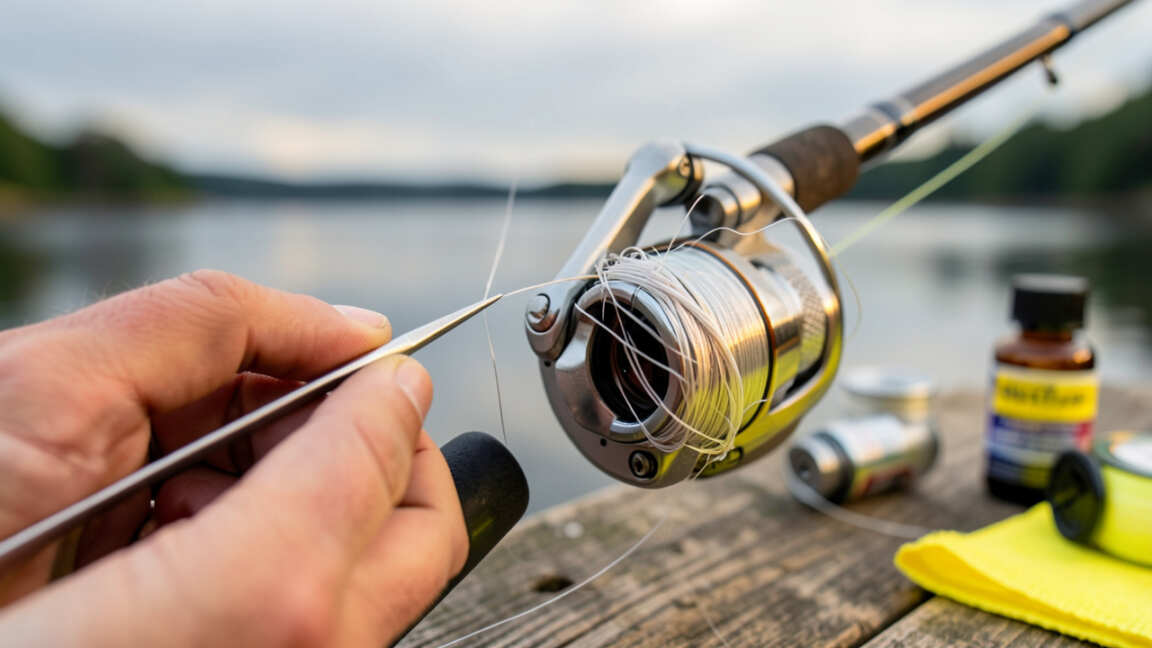
Line twist on a spinning reel can be fixed quickly using a combination of the drift and reel method, a swivel, or the manual line counter trick, depending on the severity of the twist. The primary cause is the natural coiling of monofilament line as it comes off the spool, which is exacerbated by improper spooling or cranking against a drag. Preventing twist involves loading line correctly—matching the direction the line comes off the filler spool to how it goes onto the reel spool—and using a swivel or fluorocarbon leader. Mastering these techniques reduces downtime and line breakage, allowing anglers to focus on fishing rather than untangling.
Fishing line twists up on your spinning reel, and it’s super annoying. It makes casting harder and can even cause your line to break. Learning How to Fix Line Twist on a Spinning Reel: Quick Solutions Now will help you enjoy your fishing trips more.
You’ll spend less time untangling and more time catching fish. This guide will show you simple ways to stop and fix line twist so your reel works smoothly every time.
Key Takeaways
- Line twist is a common problem that can ruin a fishing trip.
- Understanding why line twist happens is the first step to fixing it.
- Simple techniques can prevent line twist from forming in the first place.
- Quick methods exist to untangle existing line twist on your reel.
- Proper line management will make your fishing more enjoyable.
Why Line Twist Happens on Spinning Reels
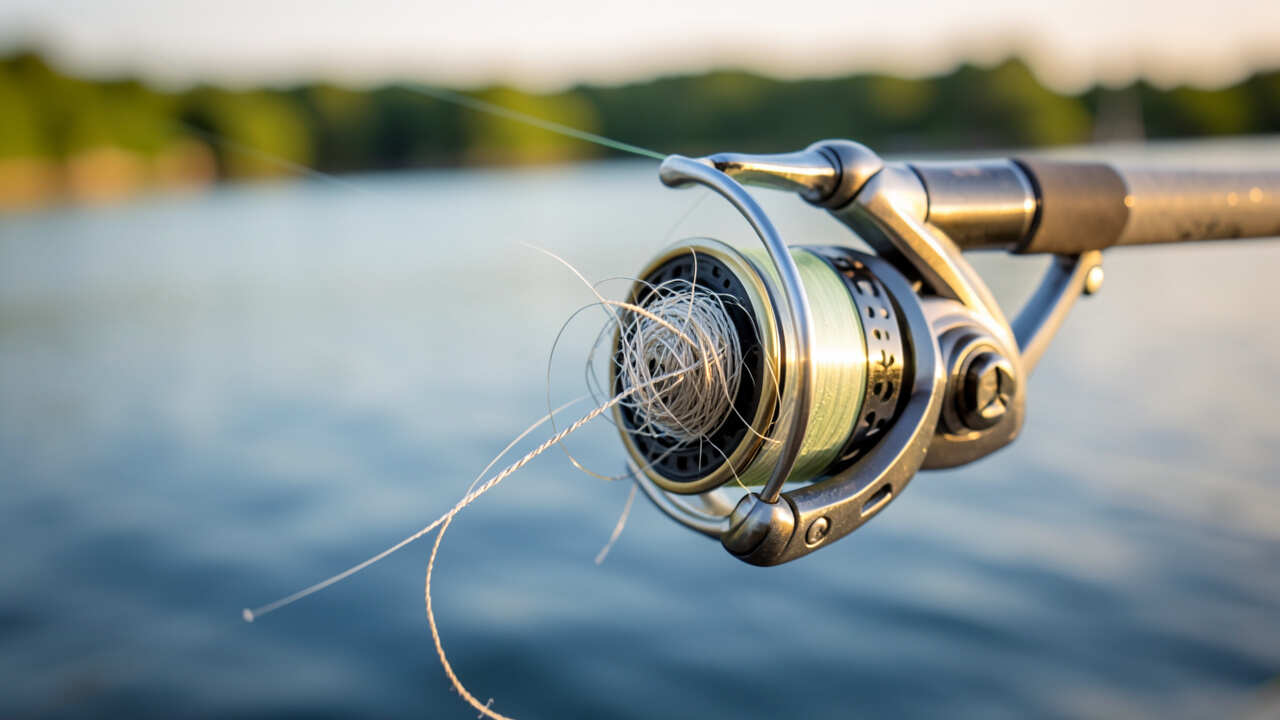
Spinning reels are great for many kinds of fishing. But, they can sometimes cause your fishing line to twist. This happens because the line is pulled off the spool in a way that makes it spin.
As you reel in, the line continues to twist around itself. Over time, this twist builds up. It’s like twisting a rope; do it too much, and it gets messy and weak.
Always spool your line with the spool label facing up and the line coming off the top to match the reel's rotation. This simple step prevents nearly all twist during initial loading.
Use a lighter line or reduce your casting distance to minimize the initial twist that occurs when line is pulled off the spool. Pausing your retrieve occasionally also helps the line untwist naturally.
Several things can make line twist worse. Using the wrong type of line is a big one. Some lines are more prone to twisting than others.
Also, how you load the line onto the reel matters a lot. If the line is put on backward, it will twist from the start. Even how you retrieve your lure can add to the twist.
A lure that spins in the water, like some spinners or spoons, will transfer that spinning action to your line.
Preventing Line Twist Before It Starts
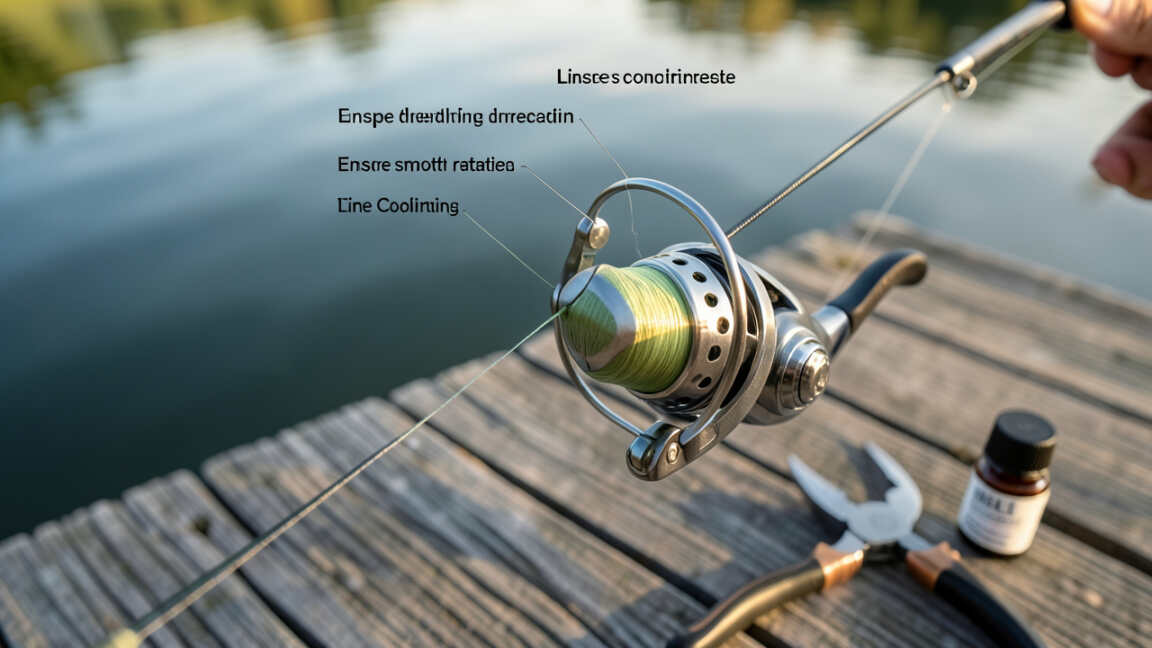
The best way to deal with line twist is to stop it from happening at all. There are a few easy things you can do. Paying attention when you load new line onto your reel is very important.
Always make sure the line comes off the spool in the correct direction. For most spinning reels, the line should come off the top of the spool. If you’re unsure, check your reel’s manual.
Loading it the wrong way is a sure way to get immediate twist.
Choosing the right fishing line also helps a lot. Monofilament and fluorocarbon lines are generally more forgiving than braided lines when it comes to twist. However, braided lines are strong and have other benefits.
If you use braid, you might need to be more careful about other factors that cause twist. Some anglers prefer to use a swivel between their line and leader. This can help stop line twist from traveling up the main line.
Proper Line Loading Techniques
When you put new line on your reel, take your time. You can use a simple rod and reel setup or a line-winding machine. The key is to ensure the line unwinds from the filler spool in the same direction it will come off your reel’s spool.
The most reliable quick fix is to let your line drift in the current with no lure attached, allowing the twist to work itself out naturally.
If the line on the filler spool is marked with an arrow, make sure that arrow points in the direction the line is going onto your reel. This one step can save you a lot of headaches later on.
If you are unsure about the direction, a simple test helps. Hold the filler spool so the line comes off the top. Then, place your reel on a rod and thread the line through the guides.
Reel the line onto your spinning reel. If the line looks like it’s being twisted as it goes on, try flipping the filler spool. You want the line to lay on your reel spool smoothly, without a corkscrew effect.
Choosing the Right Line
The type of line you use plays a big role in line twist. Monofilament is a classic choice. It has some stretch and is generally less prone to twisting than thinner, stiffer lines.
Fluorocarbon is similar but sinks faster and is less visible underwater. Braided line is very strong and has no stretch. However, braid can sometimes exaggerate line twist if other factors are not managed well.
If you’re consistently battling twist, consider switching your line type. Sometimes, a higher-quality line from a reputable brand will also perform better and resist twist more effectively.
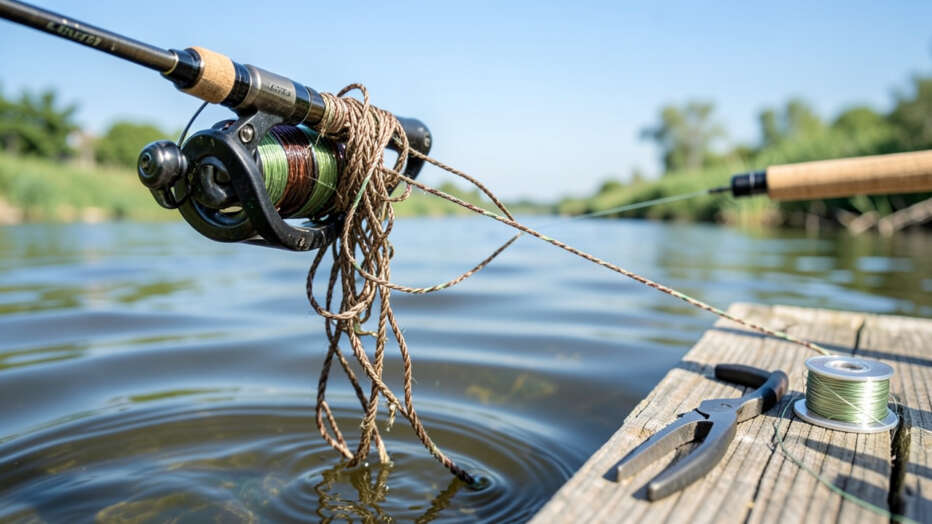
Quick Ways to Untangle Existing Line Twist
Even with the best prevention, line twist can still happen. When it does, you need quick ways to fix it. The goal is to remove the built-up tension in the line.
One common method involves letting the line straighten out. You can do this by casting your line out and letting it drift. Another method involves using a tool or technique to unwind the line.
Knowing How to Fix Line Twist on a Spinning Reel: Quick Solutions Now means you can get back to fishing fast. You don’t want to spend your whole day fighting with your gear. These methods are designed to be simple and effective, so you can use them right at the water’s edge.
The “Drift and Reel” Method
This is one of the easiest ways to fix moderate line twist. First, find a calm area of water where you can let your line drift. Cast your lure out as far as you can.
Now, open the bail of your spinning reel and let the line drift freely. Do not reel it in yet. Let the current or gentle waves pull the line and lure away from the boat or shore.
As the line drifts, the water’s resistance against the lure can help unwind the twists.
After a few minutes, close the bail and slowly reel in your line. You might feel some of the twist release as you do this. If the twist is still there, repeat the process.
This method works best when the twist isn’t too severe. It’s a passive way to let nature help you untangle your line. It’s a great technique to try when you have a few minutes to spare between bites.
When twist persists, try using a small barrel swivel between your main line and leader to absorb rotation. Alternatively, re-spool with fresh line after soaking the spool in warm water.
Using a Swivel
A fishing swivel is a small connector that allows two lines to rotate independently. Attaching a swivel to your line can be a quick fix for line twist. You can tie a swivel directly to your main line, and then tie your leader or lure to the other end of the swivel.
This way, if your lure or line starts to twist, the swivel will spin and absorb the twist, preventing it from going up your main line.
Next, if you already have a lot of twist in your line, you can tie a swivel onto the end of your fishing line. Let out about 20-30 feet of line. Hold the end of the line with the swivel in your hand.
Then, walk away from your reel, letting line out. The weight of the swivel will help the line straighten out. Once the line is straight, reel it back in carefully, making sure the swivel spins freely as you do.
This helps to unwind the existing twists.
The “Line Counter” Trick (Manual)
This method requires a bit more effort but can be very effective for stubborn twists. Then, you’ll need a way to let out a lot of line. If you’re on a boat, you can let out a good amount of line and let the boat’s movement help.
If you’re on shore, you might need to find a long, open area. Tie a weight or a heavy lure to the end of your line. Cast it out as far as you can.
Once the line is out, let it sit for a minute. The weight will help pull the line straight. Then, slowly reel the line back in.
As you reel, try to keep the line as straight as possible. If you have a line counter on your reel, you can track how much line you’ve let out. This helps you know when you’ve straightened out a good portion of the line.
If you don’t have a line counter, just let out a significant amount of line, maybe 50-100 feet.
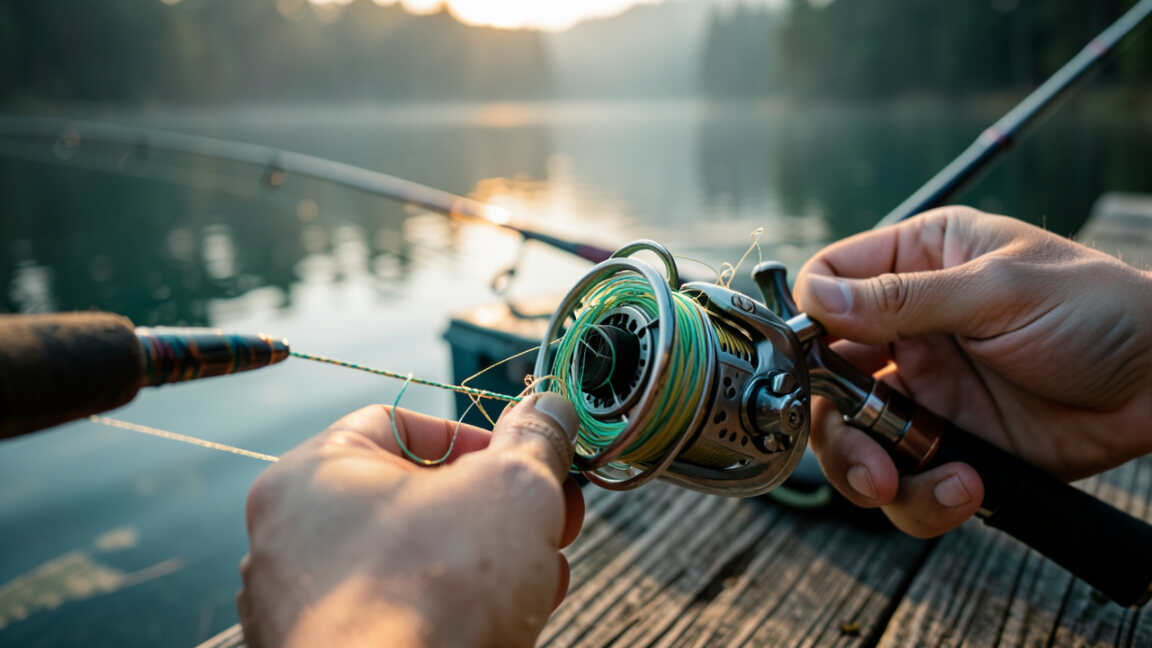
Advanced Techniques for Serious Line Twist Issues
Sometimes, line twist is more than just a minor annoyance. It can be a persistent problem that requires more than just a quick fix. For these situations, you might need to look at more involved solutions.
These could include changing your setup, re-spooling your line, or even looking at your reel itself.
Learning How to Fix Line Twist on a Spinning Reel: Quick Solutions Now also means knowing when a quick fix isn’t enough. These advanced methods are for when you’re really struggling and want to get your reel back to its best performance.
Re-spooling Your Line Correctly
If your line is badly twisted, the best solution might be to completely re-spool your reel. This gives you a fresh start. When you get new line, pay close attention to how you load it.
As mentioned before, ensure the line comes off the filler spool in the correct direction. Most line manufacturers put an arrow on the spool to show the correct direction of unwinding.
If you’re re-spooling line that you’ve already used, you can sometimes reverse the spooling process. This means winding the line from your reel back onto the filler spool, but this time in the opposite direction. This can help remove some of the inherent twist.
However, for very bad twist, it’s often best to just get new line and spool it on correctly from the start.
Beware of braided lines—they have a higher tendency to twist if not loaded correctly, and their lack of stretch can make twist damage more severe.
Checking Your Reel’s Components
Occasionally, line twist can be caused by a problem with the reel itself. The bail wire on a spinning reel is crucial. If it’s bent or not closing properly, it can cause line twist.
Also, the line roller on the bail is designed to spin freely. If this roller is damaged, dirty, or not turning, it can create a lot of friction and twist the line.
Finally, take a close look at your reel. Open the bail and spin the handle. Make sure the bail closes smoothly.
Check the line roller; it should spin easily. If it feels stiff or stuck, try cleaning it and applying a drop of reel oil. If the roller is damaged, you might need to replace it.
A well-maintained reel is less likely to cause line twist.
Using a Fishing Swivel as a “Twist-Buster”
A specialized “twist-buster” swivel is designed to spin very freely. These are often larger than regular swivels and have high-quality bearings. You can tie one of these directly to your main line.
Then, attach your leader to the other end. This setup acts like a continuous untwister as you retrieve your line. It’s a more permanent solution for anglers who experience frequent line twist.
When choosing a twist-buster swivel, make sure it’s appropriately sized for your line and the fish you are targeting. A swivel that is too small might not be strong enough, while one that is too large could affect your casting. This is a great proactive measure for anglers who want to minimize line twist issues.
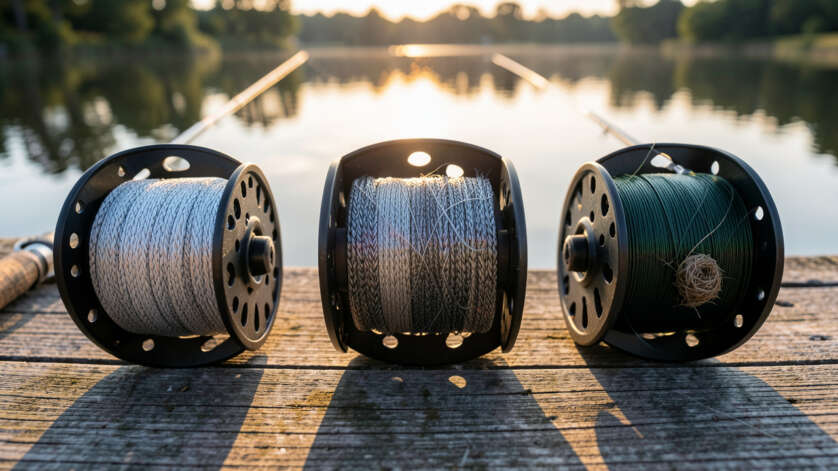
Comparison: Line Types and Twist Tendency
Different fishing lines behave differently when it comes to twisting. Understanding these differences can help you choose the right line for your setup and minimize problems. Here’s a quick look:
Regular maintenance of your reel's drag and ball bearings can reduce friction that contributes to line twist, extending your line's life and performance.
As you can see, while braided lines offer many advantages, they can sometimes contribute more to line twist if other factors aren’t right. Choosing a good quality line within any of these categories can also make a difference.
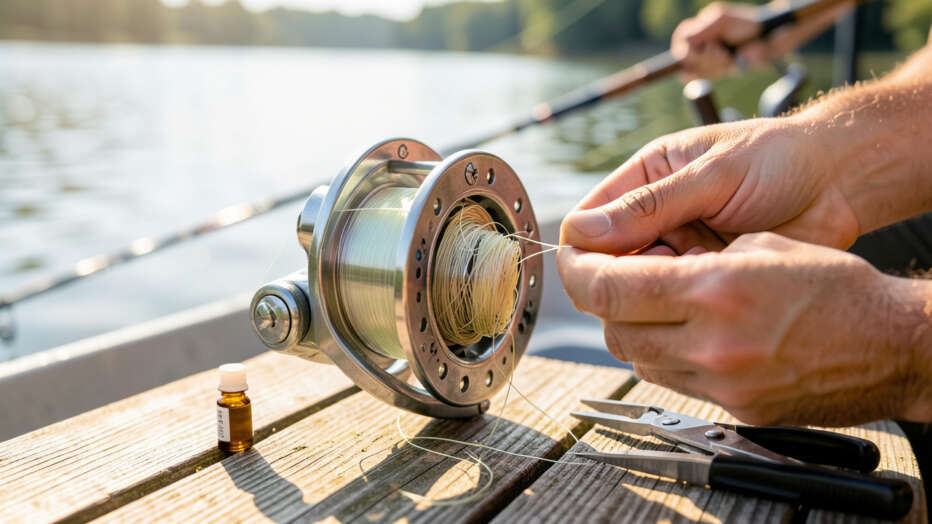
How to Fix Line Twist on a Spinning Reel: Quick Solutions Now Summary
Dealing with line twist on your spinning reel doesn’t have to be a constant battle. By understanding why it happens and using simple prevention and quick fix methods, you can keep your line running smoothly. Remember to load your line correctly, choose the right line for your needs, and use techniques like the drift method or a swivel when twist occurs.
For persistent problems, re-spooling or checking your reel’s components can solve the issue. Mastering How to Fix Line Twist on a Spinning Reel: Quick Solutions Now will significantly improve your fishing experience, allowing you to focus on the thrill of the catch rather than the frustration of tangled line.
Frequently Asked Questions
What is the main cause of line twist on a spinning reel?
The main cause is the line spinning as it comes off the spool and gets wound back on, often exacerbated by certain lures or improper line loading.
Can I fix line twist while I’m fishing?
Yes, you can use quick methods like the “drift and reel” technique or a swivel to help untangle line twist right on the water.
How often should I check my reel for line twist?
It’s a good idea to check for line twist periodically, especially after a long fishing session or if you notice casting issues. Addressing it early is key.
Does the type of lure affect line twist?
Absolutely. Lures that spin on their own, like inline spinners or some spoons, can transfer that spinning motion to your line, increasing twist.
What’s the best way to prevent line twist on a spinning reel?
Properly loading the line onto the reel, choosing a line type that resists twist, and using a swivel are excellent preventative measures.
When should I consider re-spooling my fishing line to fix twist?
If your line is severely twisted and quick fixes aren’t working, or if the twist is causing significant casting or retrieval problems, re-spooling is often the best solution.
Final Thoughts
Keeping your spinning reel free of line twist makes fishing much more enjoyable. By following simple tips for line loading and using quick untangling methods when needed, you’ll spend less time frustrated and more time fishing. Implementing these solutions will ensure your gear performs at its best, helping you catch more fish.

One Comment