Spinning Reel Anatomy Explained: Bail, Rotor, Spool, Handle
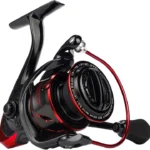
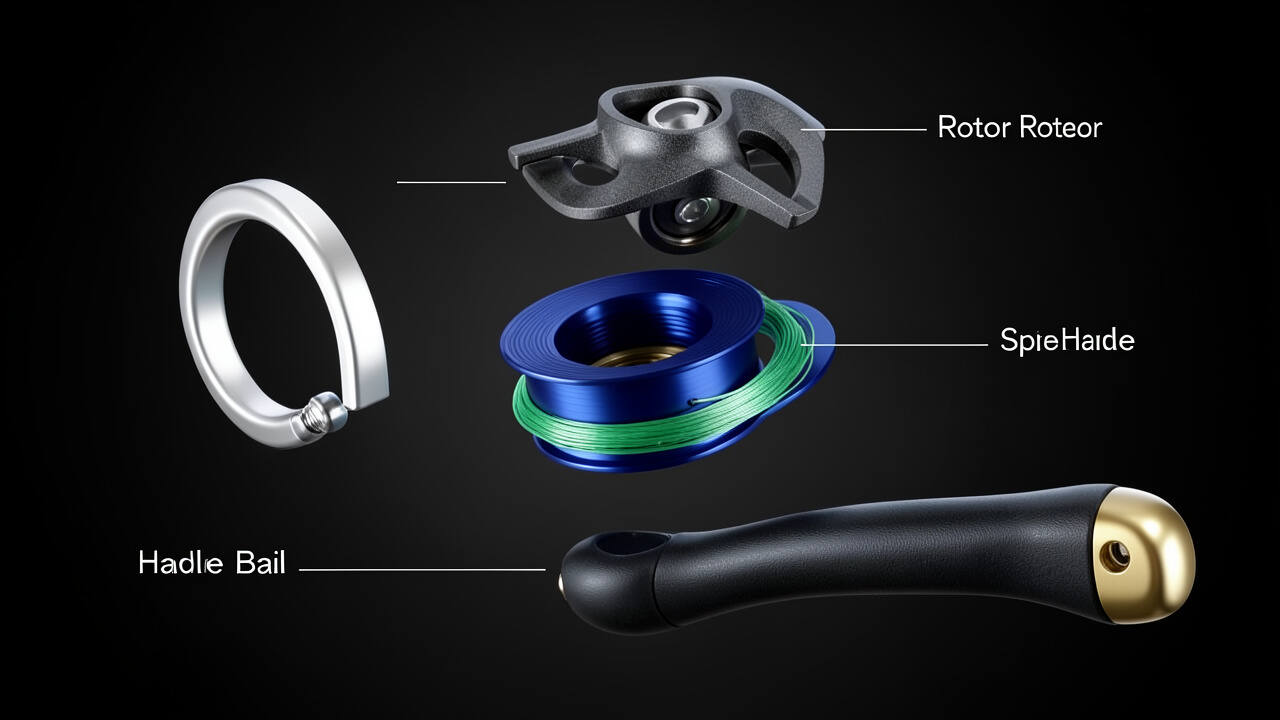
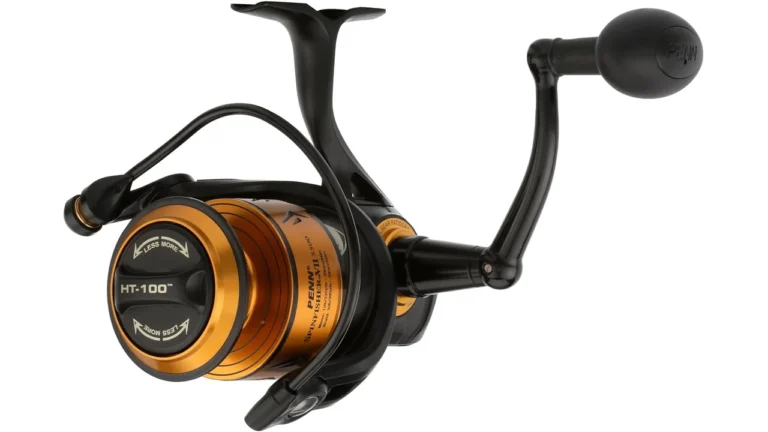
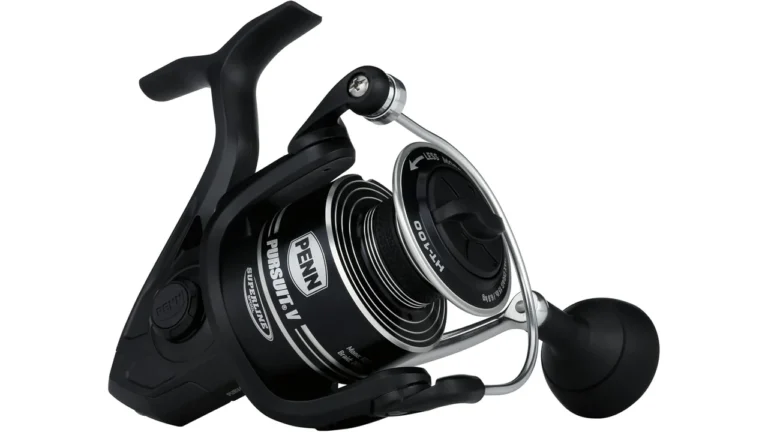
The spinning reel's anatomy—bail, rotor, spool, and handle—determines how efficiently you cast and retrieve line. The bail flips open to release line during casting and closes to guide line onto the spool during retrieval. The rotor rotates around the spool, winding line evenly, while the handle drives the entire gear system. Understanding these components allows you to select the right reel, diagnose common issues, and perform basic maintenance.
Knowing the parts of your fishing reel makes a big difference. It helps you understand why your reel works the way it does. This knowledge can help you cast better, reel in fish more smoothly, and even fix small issues.
We’ll break down the key components like the bail, rotor, spool, and handle. With a clear understanding of Spinning Reel Anatomy Explained: Bail, Rotor, Spool, Handle, you’ll feel more confident on the water. You’ll learn what each part does and how they work together to help you catch more fish.
Key Takeaways
- Understanding your reel’s parts helps you fish better.
- The bail guides your line and opens for casting.
- The rotor supports the bail and helps the line wind onto the spool.
- The spool holds your fishing line.
- The handle powers the entire reel mechanism.
- Knowing these parts helps with maintenance and troubleshooting.
How the Bail Helps You Cast and Retrieve
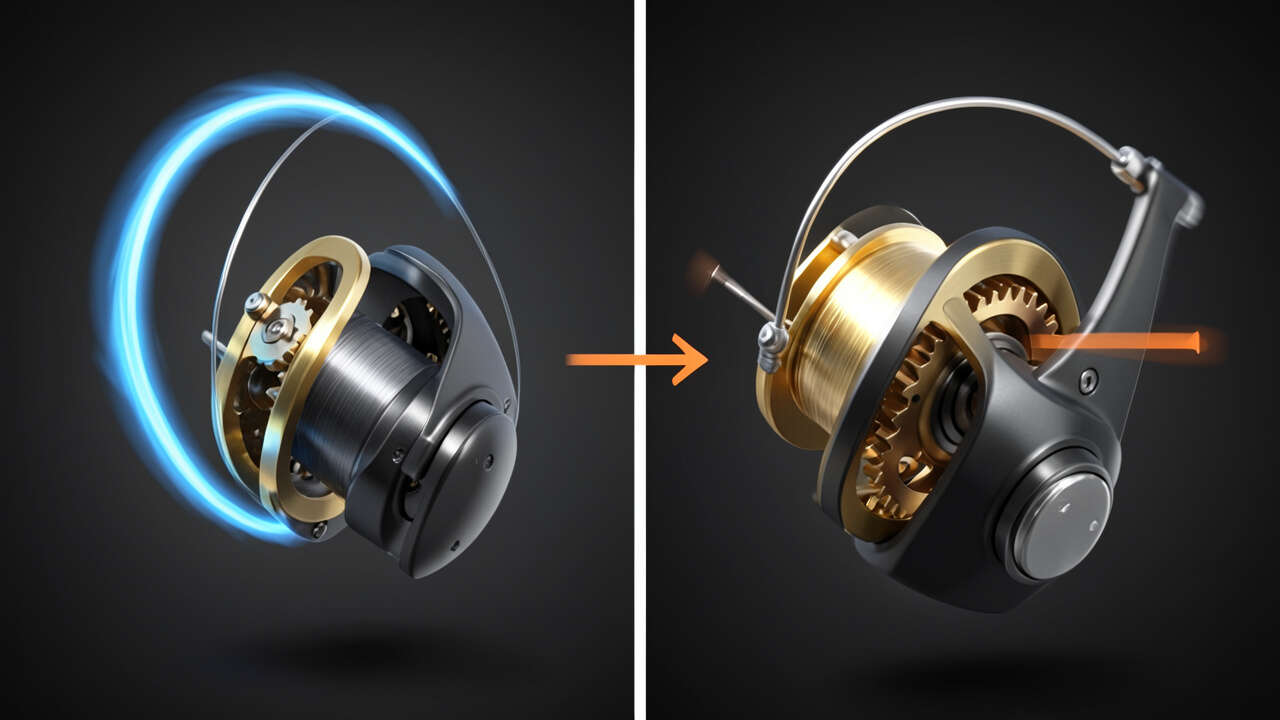
The bail is that wire arm you flip open to cast. Its main job is to guide your fishing line. When you cast, the bail springs open.
This lets the line zip off the spool freely. After your cast, you close the bail. This action engages the reel.
It starts the process of winding the line back onto the spool. A clean bail means smooth line release and fewer tangles.
Flip the bail open completely before casting to prevent friction and ensure the line releases smoothly.
Properly closing the bail is important. If it doesn’t snap shut firmly, the line might not engage correctly. This can lead to a missed cast or a bird’s nest tangle.
Some reels have an auto-bail feature. This closes the bail when you turn the handle. Others require a manual flip.
Understanding the bail’s function is the first step in mastering your spinning reel.
The Rotor: The Heart of the Winding System
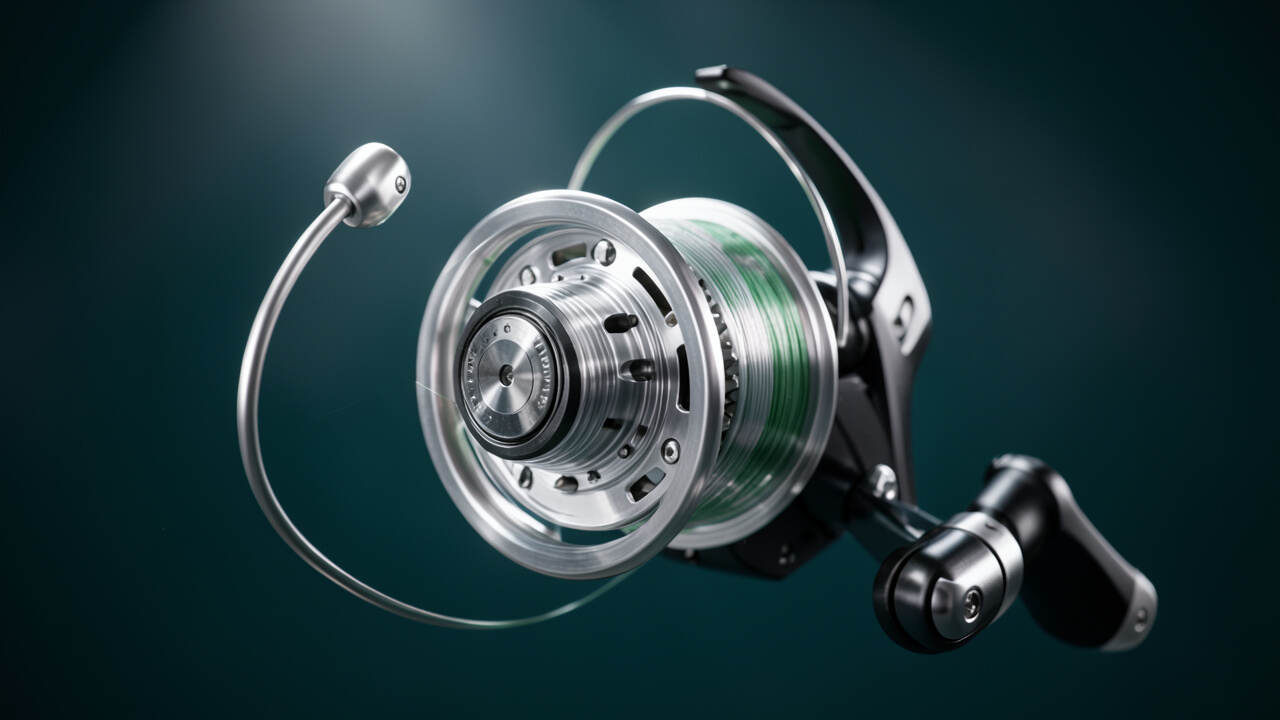
The rotor is the part that rotates around the spool. It’s a crucial piece of the spinning reel’s anatomy. The rotor supports the bail.
It also has a line roller. This roller guides the line smoothly onto the spool. As you turn the handle, the rotor spins.
This action winds the line evenly onto the spool. It’s a complex mechanism that works smoothly when maintained.
A well-balanced rotor reduces wobble, while the line roller must be kept clean to guide line evenly and prevent wear.
The design of the rotor affects how well the reel handles line. A well-balanced rotor helps prevent wobble. This leads to smoother retrieves.
The line roller on the rotor is especially important. It reduces friction on the line. This helps protect your line from wear.
A worn line roller can damage your line quickly. Keeping the rotor clean and lubricated is key to its performance.
The Spool: Where Your Line Lives
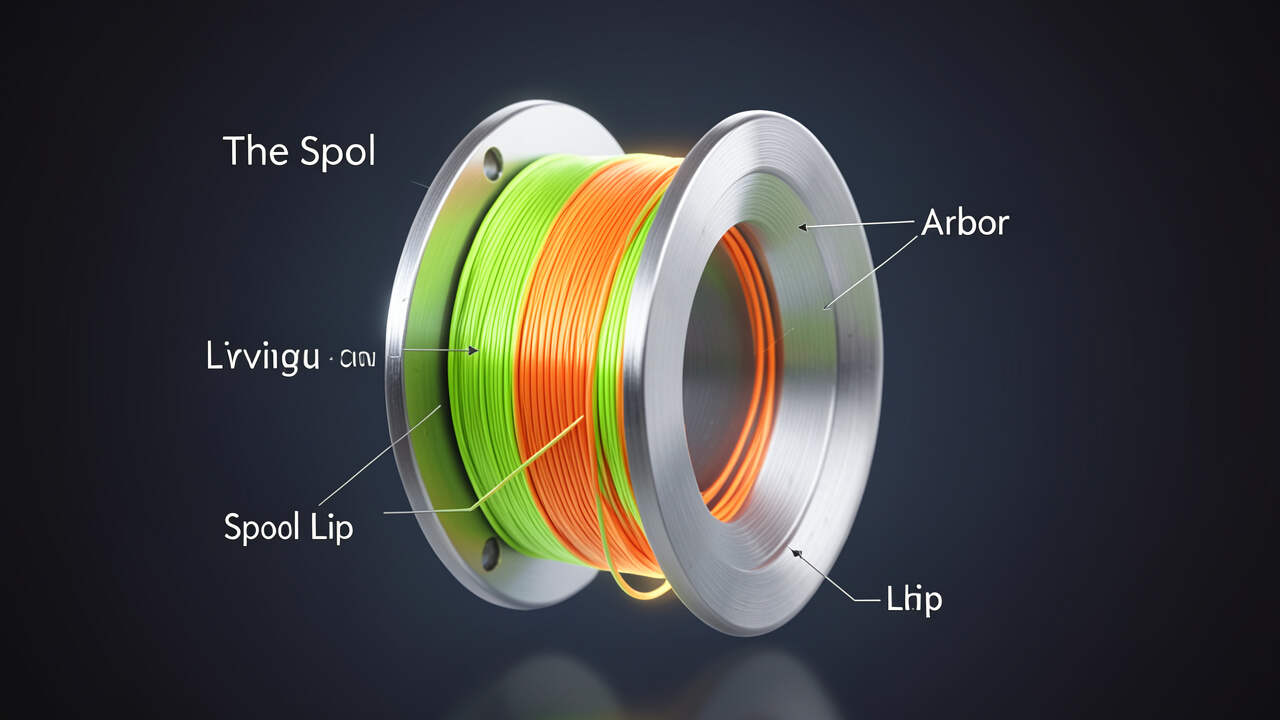
The spool is the cylinder where your fishing line is stored. It’s one of the most visible parts of a spinning reel. The size of the spool determines how much line your reel can hold.
It also affects casting distance. Larger spools generally hold more line. They can often cast farther, especially with heavier lures.
Spool size directly influences both line capacity and casting distance, making it a critical factor in reel selection.
The spool’s lip is designed for smooth line release. A well-machined lip helps the line flow off without snagging. Some spools have a drag system.
This system controls the tension on the line when a fish pulls hard. It prevents the line from breaking. The spool is where the magic of line management happens.
Taking care of your spool ensures your line stays neat and ready for action.
The Handle: Your Power Source
The handle is what you turn to retrieve line. It’s your direct connection to the reel’s inner workings. When you turn the handle, it drives the rotor.
The rotor then spins the spool. This winds the line back onto the spool. The gear ratio of the reel is determined by the handle’s rotation.
A higher gear ratio means more line is retrieved with each turn of the handle.
Choose a handle with a comfortable knob and consider folding designs for easier transport and storage during long trips.
Handles come in different shapes and sizes. Some have comfortable knobs. Others have folding designs for easier storage.
The feel of the handle is important for long fishing days. A comfortable handle reduces fatigue. The smooth rotation of the handle is essential for a good retrieve.
If the handle feels stiff or wobbly, it might need lubrication or adjustment. The handle is the engine of your spinning reel.
Putting it All Together: How the Parts Work Together
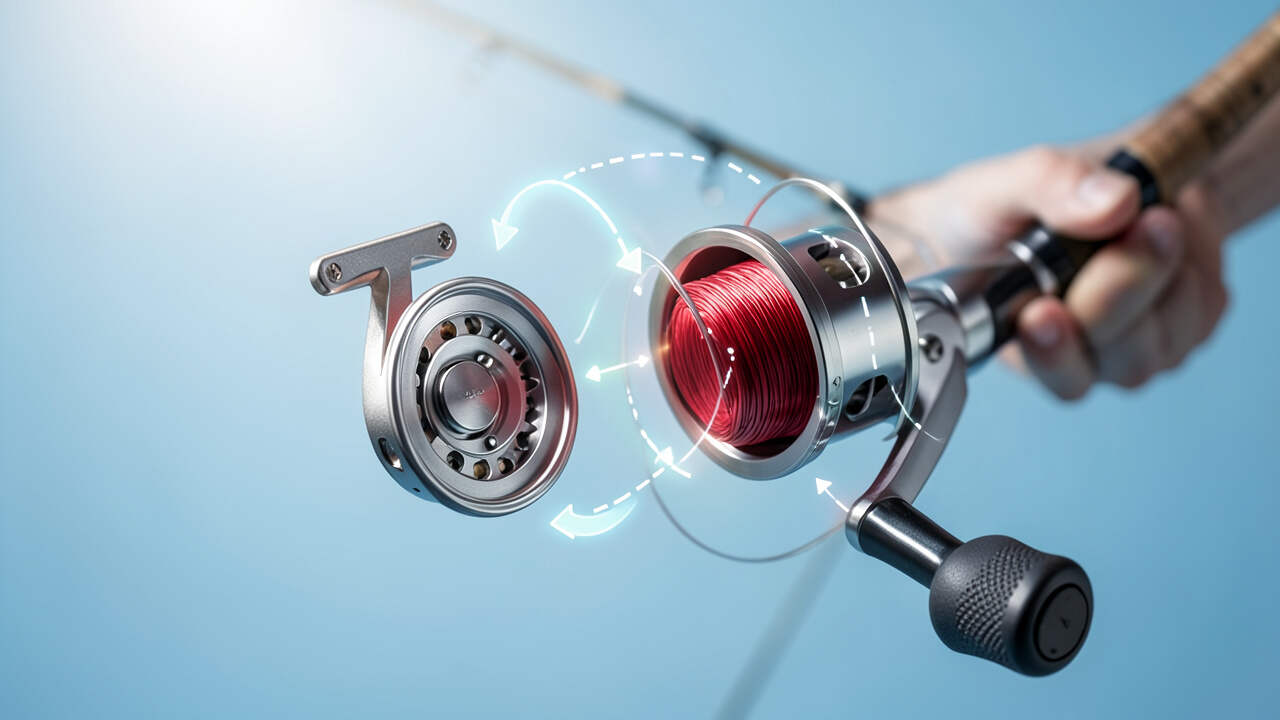
Understanding Spinning Reel Anatomy Explained: Bail, Rotor, Spool, Handle means seeing how these parts work as a team. When you flip the bail open, you prepare to cast. The line flows off the spool.
As the line leaves, the rotor is stationary. After casting, you close the bail. Turning the handle starts the rotor spinning.
The rotor then winds the line back onto the spool. This coordinated action makes fishing possible.
Without knowing how bail, rotor, spool, and handle work in sequence, you may struggle with missed casts and tangled lines.
The drag system, often controlled by a knob on the front of the spool, works with all these parts. When a fish pulls hard, the spool may spin backward. The drag lets out line smoothly.
This prevents your line from snapping. Even the smallest part plays a role. The line roller on the rotor ensures smooth line transfer.
The precise engineering of the bail, rotor, spool, and handle makes your reel effective.
Choosing the Right Spinning Reel for Your Needs
Knowing the anatomy helps you choose the right reel. If you fish for large, strong fish, you need a reel with a robust spool and a strong handle. These reels often have higher gear ratios for quick line retrieval.
They also have powerful drag systems. For lighter fishing, like panfish or trout, a smaller, lighter reel might be better. The size of the rotor and bail also matters for line capacity and casting feel.
For frequent casters, prioritize a reel with a smooth bail mechanism and a well-balanced rotor to reduce fatigue and improve accuracy.
Consider the type of fishing you do most. If you cast a lot, a reel with a smooth bail and a balanced rotor is important. If you often fight strong currents, the strength of the handle and the reel’s overall construction are key.
Having a good grasp of Spinning Reel Anatomy Explained: Bail, Rotor, Spool, Handle will guide your purchase decisions. It ensures you get a reel that matches your fishing style and targets.
Maintenance Tips for Your Spinning Reel
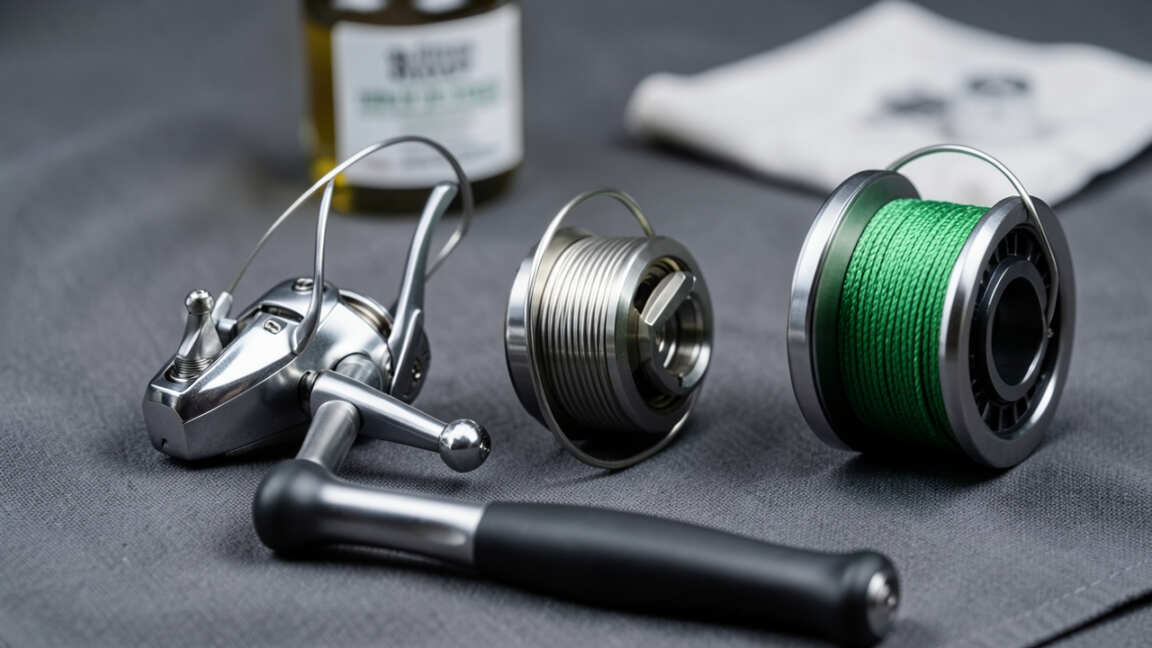
Keeping your spinning reel in good shape is easy when you know its parts. After fishing in saltwater, always rinse your reel with fresh water. This prevents corrosion.
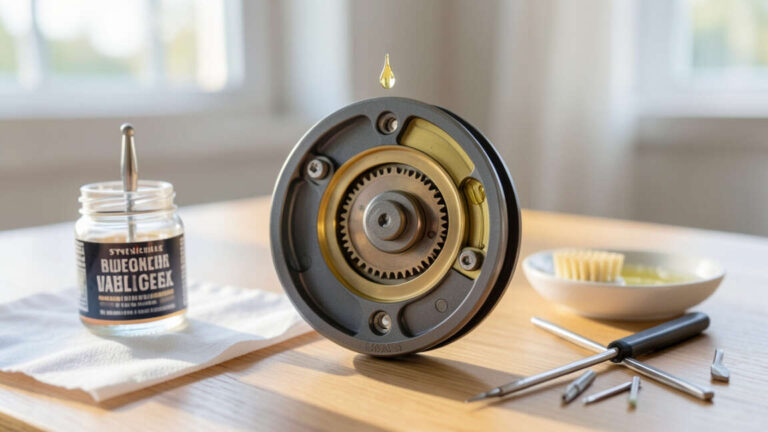
Periodically, you’ll need to lubricate the moving parts. Focus on the handle, bail pivot points, and the rotor base. A light coat of reel grease on gears and a few drops of oil on bearings are usually enough.
Understanding each part's role simplifies maintenance and ensures your reel performs reliably season after season.
Check the spool for any nicks or burrs. These can damage your line. Clean out any debris from the line roller on the rotor.
If your bail feels loose or doesn’t snap shut properly, it might need adjustment or repair. Regular, simple maintenance will extend the life of your reel. It ensures smooth operation and reliable performance on every fishing trip.
This care is essential for understanding the full value of Spinning Reel Anatomy Explained: Bail, Rotor, Spool, Handle.
Frequently Asked Questions
What is the main purpose of the bail on a spinning reel?
The bail guides your fishing line when casting and retrieves it onto the spool when closed.
How does the rotor contribute to winding line?
The rotor spins to wind the line onto the spool, guided by the line roller.
Can the size of the spool affect my fishing?
Yes, the spool size determines line capacity and can influence casting distance and line management.
Why is the handle important in spinning reel anatomy?
The handle is your power source; turning it activates the rotor and winds the line onto the spool.
What happens if the bail on my spinning reel is damaged?
A damaged bail can cause line tangles, poor casting, and make retrieving difficult, impacting the entire reel’s function.
Should I oil the spool or the handle of my spinning reel?
You should lubricate the handle‘s internal gears and the bearings around the spool for smooth operation. The spool itself primarily needs its drag system checked and clean.
What does understanding Spinning Reel Anatomy Explained: Bail, Rotor, Spool, Handle help me with?
Knowing the function of the bail, rotor, spool, and handle helps you choose, use, and maintain your reel effectively for better fishing results.
Final Thoughts
Understanding the parts of your spinning reel, like the bail, rotor, spool, and handle, makes fishing more enjoyable. It helps you cast better and reel in fish smoothly. Taking care of these components ensures your reel works reliably.
You’ll feel more confident with your gear on every outing.

One Comment