
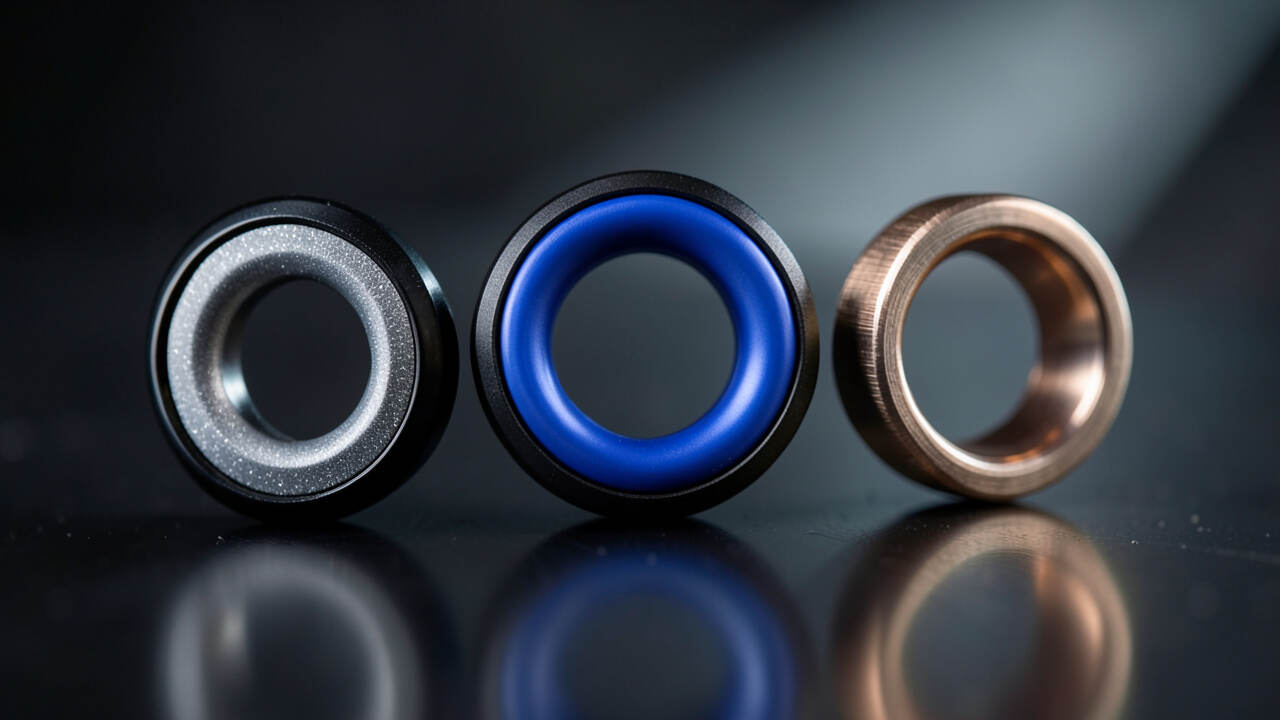
Rod Guides Explained: Sic, Alconite, Titanium Compared Today
Picking the right rod guides can make a big difference in how your fishing rod performs. It’s not just about how the line slides; it’s about how smooth your casts are, how well your line holds up, and even how sensitive the rod feels in your hand. We’re going to break down the common materials you’ll see, looking at SiC, Alconite, and Titanium.
Understanding these differences helps you choose gear that lasts longer and makes your time on the water more enjoyable. Let’s get into Rod Guides Explained: SiC, Alconite, Titanium Compared Today to see what works best for you.
Key Takeaways
- You’ll learn the main differences between SiC, Alconite, and Titanium rod guides.
- Understand how each material affects line wear and casting performance.
- Discover which guide material is best for different fishing styles and budgets.
- Learn why guide material impacts the overall feel and sensitivity of your fishing rod.
- Gain insights to make a more informed choice when buying new fishing rods.
Why Guide Material Matters for Your Fishing
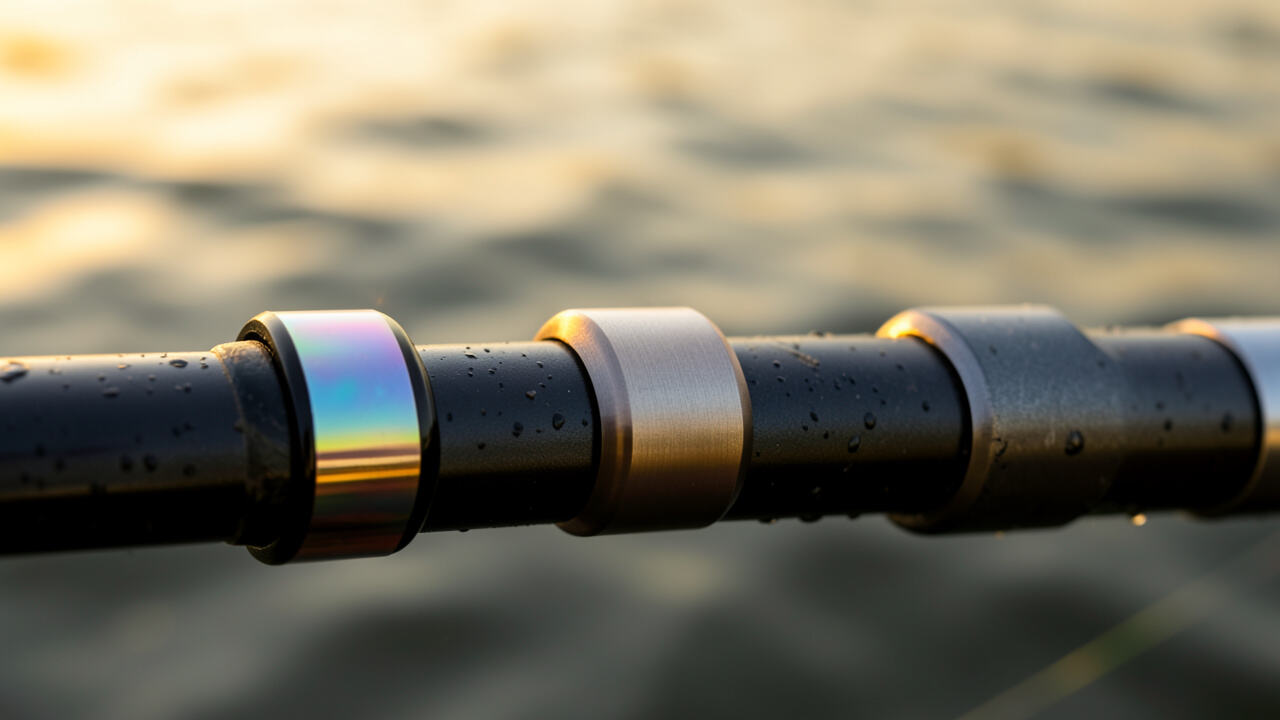
The guides on your fishing rod are more than just rings for your line. They’re critical components that interact with your fishing line on every cast and retrieve. The material they’re made from directly impacts how smoothly your line travels, how much friction is created, and how much wear your line experiences over time.
Choosing the right material can lead to longer casts, less line damage, and a more pleasant fishing experience overall. When you’re looking at new rods, paying attention to the guides is a smart move. It’s a key part of what makes Rod Guides Explained: SiC, Alconite, Titanium Compared Today so important for any angler.
A smooth guide surface directly reduces friction, leading to longer casts and less line wear over time.
Think about it: your line is constantly rubbing against these guides. If the material is rough or prone to scratching, it can fray your line. This can lead to lost fish and frustration.
On the flip side, smooth, durable guides reduce friction. This means your line glides effortlessly, allowing for longer, more accurate casts. It also means your line lasts longer, saving you money in the long run.
This is why understanding the differences between common materials like SiC, Alconite, and Titanium is so valuable for making informed gear choices.
Silicon Carbide (SiC): The Premium Choice
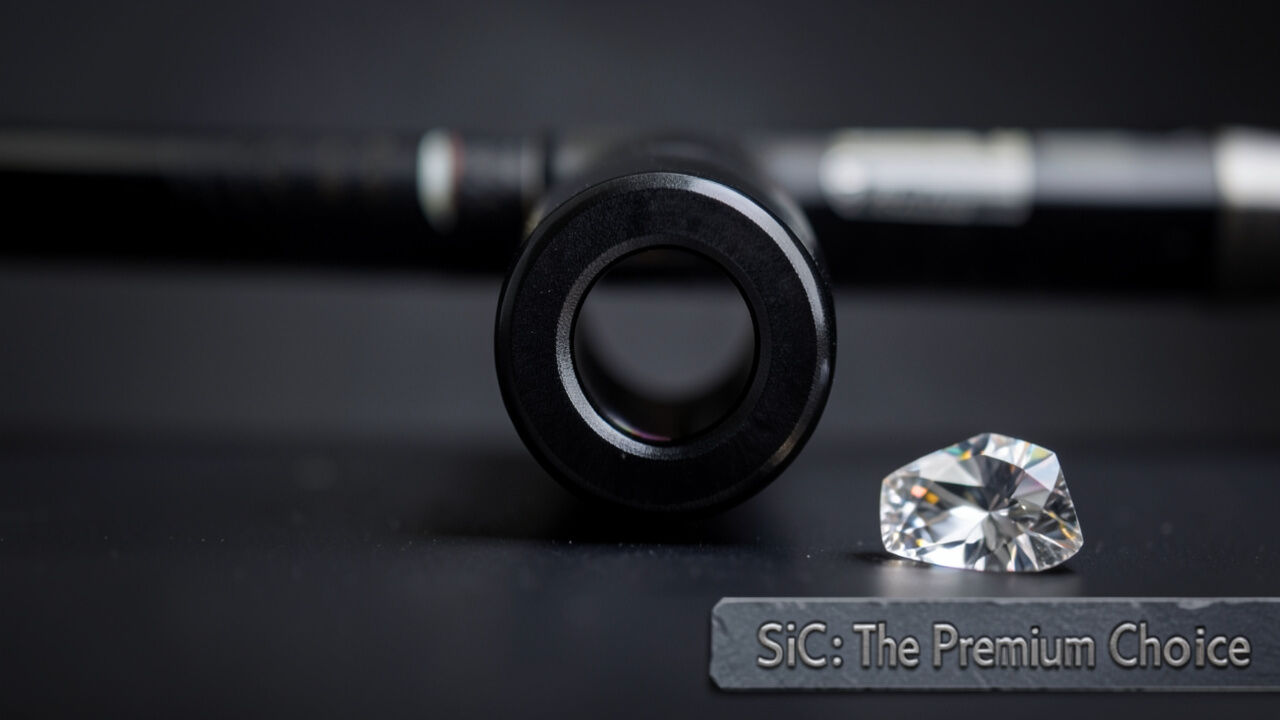
Silicon Carbide, often called SiC, is a top-tier material for fishing rod guides. It’s known for being incredibly hard and smooth. This hardness means it resists scratches and wear very well.
Even after a lot of use, SiC guides tend to stay smooth. This is great for protecting your fishing line. The slick surface of SiC also helps reduce friction.
Less friction means your line casts further and with less effort. It can also help dissipate heat that builds up from line friction during long fights with fish.
SiC guides maintain their smoothness over years of use, making them a worthwhile investment for frequent anglers.
When you see SiC guides on a rod, you’re usually looking at a higher-end product. They are more expensive to manufacture, which is why they are often found on premium fishing rods. The benefits, however, are significant for anglers who demand the best performance.
The durability of SiC means these guides can last for many years, even under demanding conditions. This makes them a worthwhile investment for serious anglers. The smooth surface also contributes to a quieter retrieve, which can be a subtle but appreciated benefit.
The hardness of SiC is a key advantage. It’s one of the hardest materials available, second only to diamond. This extreme hardness means it’s very resistant to abrasion from sand, dirt, or even rough fishing lines.
For anglers who fish in saltwater or in environments with a lot of debris, this durability is a major plus. The guides will maintain their smooth surface for a long time, ensuring consistent performance. This is a significant factor in why Rod Guides Explained: SiC, Alconite, Titanium Compared Today often highlights SiC as a benchmark.
Alconite: The Balanced Performer
Alconite is another popular material for fishing rod guides. It’s made by Fuji, a well-known company in fishing tackle components. Alconite is a type of ceramic, but it’s not as hard or as expensive as SiC.
It offers a good balance of performance and cost. For many anglers, Alconite guides provide a smooth surface and good durability without the premium price tag of SiC. They are a very common choice on mid-range to upper-mid-range fishing rods.
The surface of Alconite is quite smooth, which helps reduce line friction. This means you’ll still get good casting distance and less wear on your line compared to cheaper materials. While not as hard as SiC, Alconite is still quite durable.
For most anglers, Alconite guides deliver all the performance you need without the premium price tag.
It can withstand regular use and the stresses of fishing. It’s a reliable choice that offers a significant upgrade over basic aluminum oxide or hard chrome guides. Many anglers find Alconite to be the sweet spot for performance and value.
When comparing Alconite to SiC, the main difference is in hardness and ultimate durability. SiC will generally last longer and resist scratches better. However, for the average angler, Alconite provides more than enough performance and longevity.
The cost savings can be substantial, allowing you to get a great rod without breaking the bank. This makes Alconite a very practical option for a wide range of fishing applications. Understanding these differences is crucial for anyone looking into Rod Guides Explained: SiC, Alconite, Titanium Compared Today.
Titanium: Lightweight and Strong
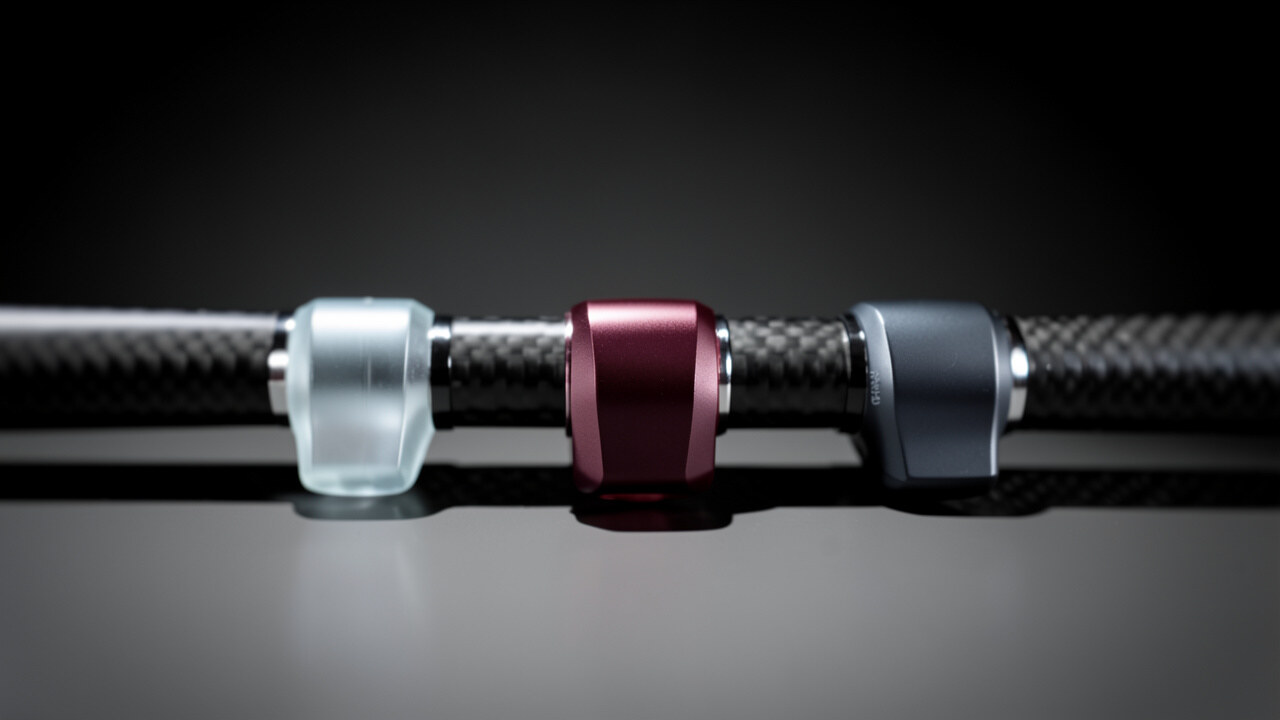
Titanium is a metal that is sometimes used for fishing rod guides, particularly the frames. While the insert material can vary (often SiC or Alconite), the titanium frame offers distinct advantages. Titanium is exceptionally lightweight and very strong.
This can help reduce the overall weight of the fishing rod, making it feel more balanced and less tiring to hold for long periods. The strength of titanium also means the frames are less likely to bend or break under stress.
One of the main benefits of titanium frames is their corrosion resistance. This is especially important for anglers who fish in saltwater. Titanium does not rust or corrode like many other metals.
A titanium-framed guide keeps your rod tip lighter, which can improve sensitivity and lure action.
This means your guides will look good and function properly for a long time, even when exposed to the harsh marine environment. The lightweight nature of titanium also contributes to better rod action. A lighter tip section can lead to more sensitive feedback and faster lure action.
This is a subtle but important performance enhancement.
When considering titanium, it’s important to remember that it’s the frame material. The insert material (like SiC or Alconite) is what directly contacts the line. However, a well-designed titanium frame complements a high-quality insert.
The combination results in a durable, lightweight, and high-performing guide system. Titanium guides are typically found on higher-end rods due to the cost of the metal and its specialized manufacturing. This is a key aspect of Rod Guides Explained: SiC, Alconite, Titanium Compared Today that highlights material synergy.
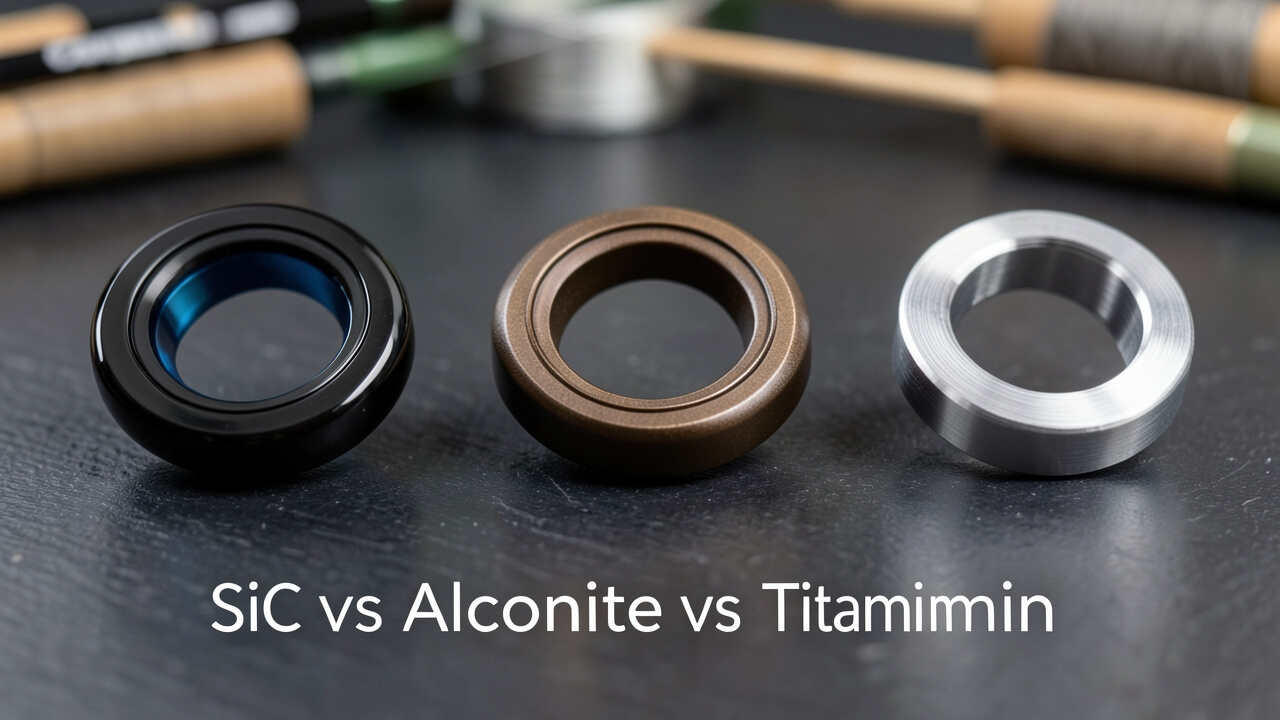
Comparing the Key Features: SiC, Alconite, and Titanium
To make the differences clear, let’s look at how these materials stack up against each other. This comparison helps you see the trade-offs involved when you’re choosing a fishing rod. Each material has its own strengths and weaknesses, and the best choice often depends on your specific needs and budget.
Understanding these comparisons is vital for making the right decision. This is the core of why we are doing Rod Guides Explained: SiC, Alconite, Titanium Compared Today.
Don't just pick the most expensive material; match the guide type to your fishing style and budget for the best overall value.
As you can see from the table, SiC offers the highest level of hardness and smoothness, making it ideal for ultimate line protection and casting performance. Alconite provides a strong middle ground, giving anglers great performance at a more accessible price point. Titanium, primarily used for frames, adds a significant advantage in terms of weight reduction and corrosion resistance, especially valuable for saltwater anglers.
The combination of a titanium frame with a high-quality insert often represents a premium guide system.
Impact on Casting and Line Longevity
The material of your rod guides directly impacts how your fishing line performs. Guides made from harder, smoother materials like SiC and Alconite create less friction. This reduced friction allows your line to glide off the reel and through the guides with less resistance.
The result is longer, more accurate casts. You’ll notice a difference in how effortlessly your line travels, especially with braided lines, which can sometimes be more abrasive.
Lower friction also means less heat is generated as the line moves through the guides. Excessive heat can weaken fishing line over time, especially monofilament. By using materials that minimize heat buildup, you help preserve the integrity of your line.
Lower friction from high-quality guides not only increases casting distance but also minimizes heat buildup that can weaken your line.
This means your line is less likely to break unexpectedly when fighting a fish. For anglers who battle strong, hard-running fish, this is a critical factor. Protecting your line is as important as protecting your reel.
When it comes to line longevity, the smoothness and hardness of the guide material are key. A rough or damaged guide can act like sandpaper on your fishing line. This causes premature fraying and weakening.
SiC guides, being extremely hard and resistant to scratches, maintain their smooth surface for a very long time. Alconite is also quite durable and smooth, offering good protection. Titanium frames, when paired with good inserts, contribute to a system that minimizes wear.
This is why considering the guides is a crucial part of Rod Guides Explained: SiC, Alconite, Titanium Compared Today.
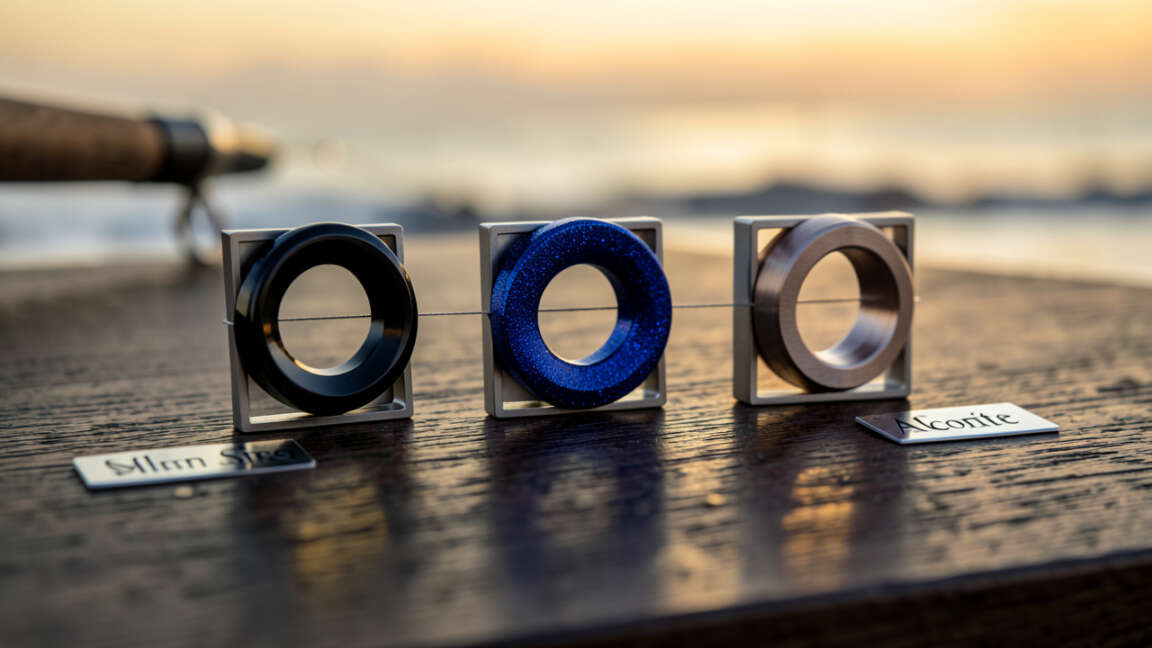
Choosing the Right Guides for Your Fishing Style
Your fishing style and the types of water you fish should guide your decision. For freshwater anglers who target species like bass, trout, or panfish, Alconite guides often provide an excellent balance of performance and value. They offer good casting and line protection without the high cost of SiC.
If you’re a serious angler who demands the absolute best and fishes frequently, investing in SiC guides can be a worthwhile upgrade. They offer superior durability and performance for demanding situations.
For saltwater anglers, corrosion resistance is a major concern. While SiC and Alconite titanium frames shine.
Your fishing frequency and conditions should drive your guide choice; casual anglers can save with Alconite while die-hards benefit from SiC.
They offer excellent protection against rust and salt buildup, ensuring your guides function properly for years. If you fish in saltwater regularly, a rod with titanium frames and high-quality inserts is a smart investment. This aspect is a key consideration in Rod Guides Explained: SiC, Alconite, Titanium Compared Today.
Consider your budget as well. Rods with SiC guides and titanium frames will generally be more expensive. If you’re on a tighter budget, Alconite offers a fantastic performance upgrade over basic guides.
Many anglers find that rods equipped with Alconite guides offer the best bang for their buck. Ultimately, the goal is to find guides that complement your fishing technique and provide reliable performance without causing excessive wear on your line or reel. Making an informed choice based on these comparisons is what matters most.
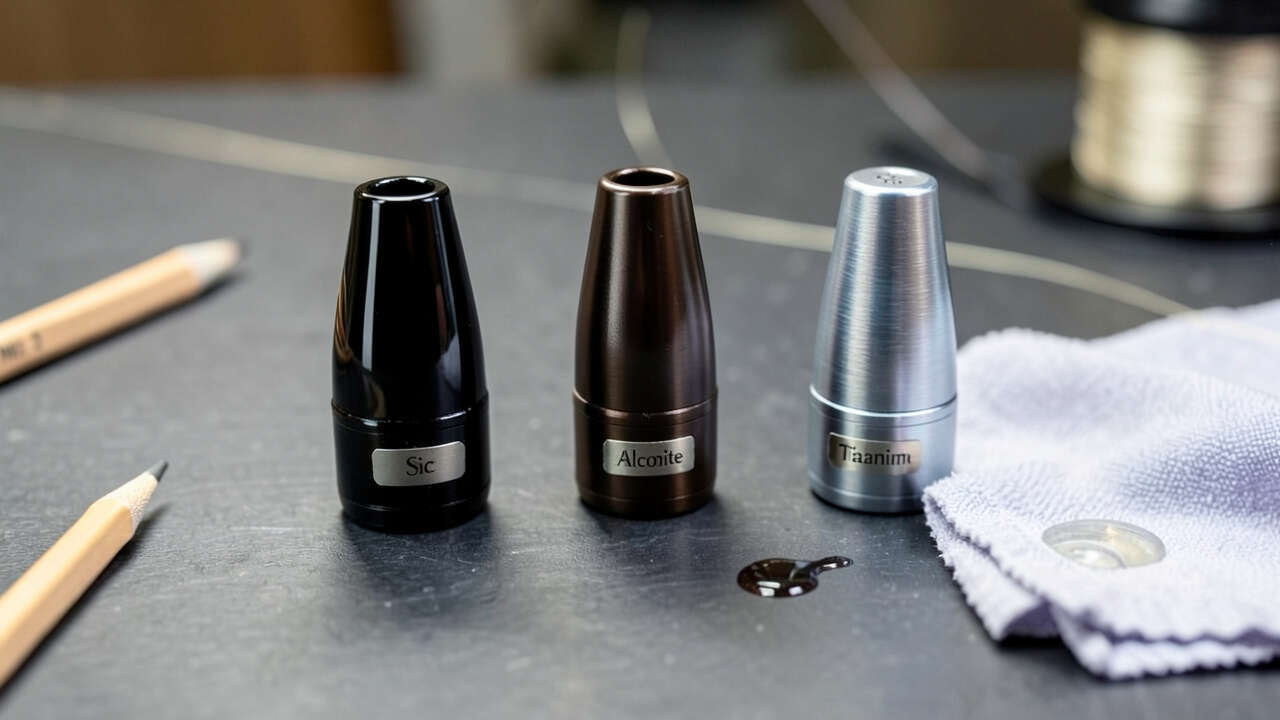
Maintenance Tips for Your Rod Guides
To ensure your rod guides perform at their best for as long as possible, some simple maintenance is recommended. After fishing, especially in saltwater, it’s a good idea to rinse your rod with fresh water. This helps remove salt and debris that can accumulate on and around the guides.
Pay attention to the guide inserts and the spaces between the insert and the frame.
First, use a soft cloth or a mild soap and water solution to gently clean the guides. Avoid abrasive cleaners or scrub brushes, as these can scratch the delicate surfaces of the inserts. If you notice any dirt or grime stuck in the guide frames, use a soft-bristled toothbrush to carefully remove it.
After every saltwater trip, rinse your guides with fresh water and dry them gently to prevent corrosion and debris buildup.
Ensure you rinse thoroughly with fresh water after cleaning.
Next, inspect your guides regularly for any signs of damage. Look for chips, cracks, or deep scratches on the inserts. Even a small imperfection can cause friction and damage your fishing line.
If you find damaged guides, it’s best to have them repaired or replaced by a professional rod builder. Taking these simple steps will help extend the life of your guides and ensure optimal performance on the water. This care is an important, often overlooked, part of Rod Guides Explained: SiC, Alconite, Titanium Compared Today.
Frequently Asked Questions
What is the hardest rod guide material?
Silicon Carbide (SiC) is generally considered the hardest and smoothest material for fishing rod guide inserts, offering excellent durability and line protection.
Is Alconite a good material for rod guides?
Yes, Alconite is a very good material for rod guides, offering a great balance of smoothness, durability, and cost-effectiveness for many anglers.
Why are titanium rod guides more expensive?
Titanium is a lightweight, strong, and highly corrosion-resistant metal, making it more expensive to source and manufacture into rod guide frames.
Which rod guides are best for braided line?
Both SiC and Alconite guides are excellent for braided line due to their smoothness and hardness, which minimize abrasion and friction, helping to preserve the line.
Should I worry about rod guide material if I only fish in freshwater?
While saltwater poses a greater corrosion risk, the hardness and smoothness of guides still matter in freshwater for casting performance and line longevity. Alconite or SiC are great choices.
How does rod guide material affect casting distance?
Smoother, harder guide materials like SiC and Alconite reduce friction, allowing the line to glide more freely, which generally leads to longer casting distances.
Is it worth upgrading to SiC guides?
For anglers who demand the best performance, durability, and line protection, and who fish frequently, upgrading to SiC guides can be a worthwhile investment.
Final Thoughts
Choosing the right rod guides, whether SiC, Alconite, or Titanium, significantly impacts your fishing experience. Understanding their differences in hardness, smoothness, and durability helps you select gear that offers better casting, protects your line, and lasts longer. Make your next rod choice wisely based on these insights.